News
What Labour’s Leaked Plans Could Mean for Your Money
10 Oct 2026, 12:26


Join Minipip Academy and access free courses in investing, trading, economics, and more.
Sign Up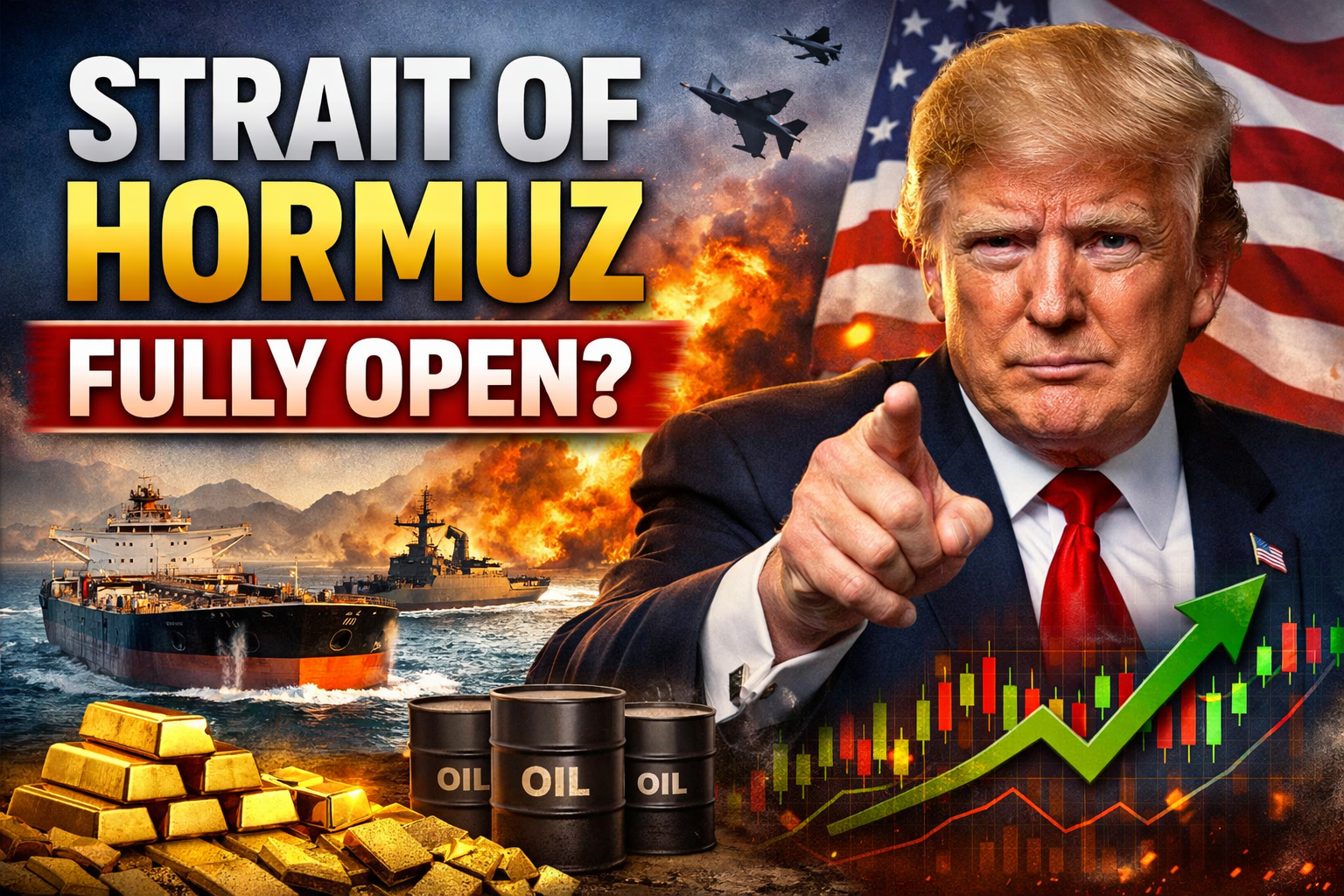
Strait of Hormuz Remains Open as Trump Reassures Markets—What Comes Next for Global Assets?


Fresh comments from Donald Trump have brought renewed attention to one of the world’s most critical energy chokepoints—the Strait of Hormuz.
Trump stated that the vital shipping route is “fully open,” aiming to calm investor fears following heightened geopolitical tensions in the region. The reassurance has already begun to ripple through global markets, particularly in commodities and risk-sensitive assets.
The Strait of Hormuz handles roughly 20% of the world’s oil supply, making it one of the most strategically important waterways on the planet. Any disruption—even temporary—can send shockwaves through energy markets and the broader global economy.
In recent weeks, concerns had been building over potential supply interruptions, pushing oil prices higher and increasing volatility across equities and currencies.
Trump’s assertion that the strait remains open directly challenges those fears, signalling that worst-case supply disruptions may not materialise—at least in the short term.
Markets have responded in a measured but notable way:
Oil prices
Crude oil has shown signs of stabilisation, with upward momentum cooling as fears of supply disruption ease. While prices remain elevated due to lingering geopolitical risk, the removal of immediate threat reduces the likelihood of a sharp spike.
Equities
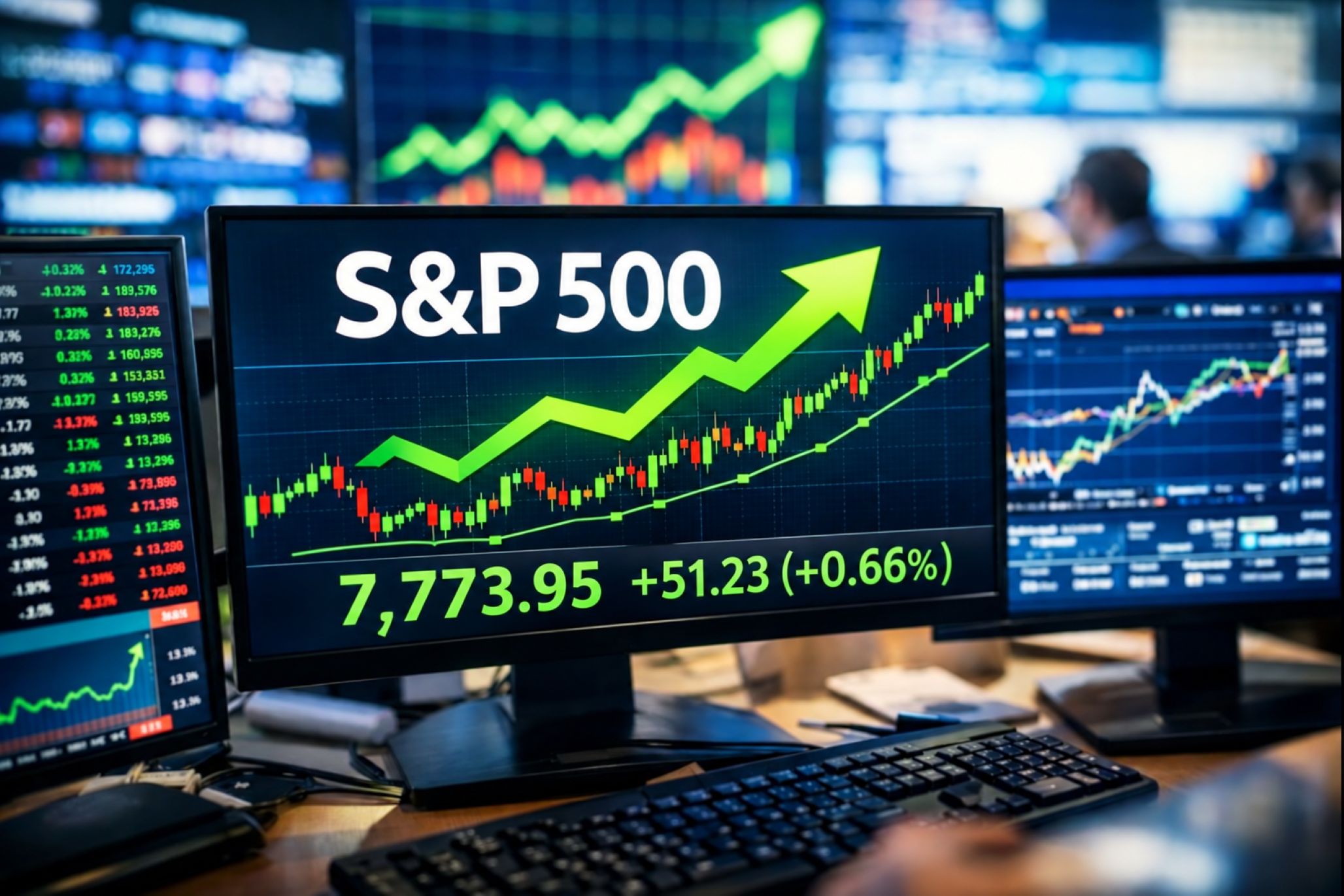
Global indices, including the S&P 500, have reacted positively to the reduced uncertainty. Lower energy shock risk typically supports corporate margins and investor sentiment.
Safe-haven assets
Assets such as gold have seen mild pullbacks, as investors rotate away from defensive positioning and back into risk assets.
Despite the reassurance, markets are far from complacent. The Strait of Hormuz has long been a geopolitical flashpoint, and investors understand that conditions can change rapidly.
Several key risks remain:
In short, while the strait may be open today, the risk premium has not disappeared—it has merely softened.
The evolving situation is likely to influence capital flows in the near term:
Oil
If the strait remains open, oil prices may consolidate rather than surge. However, a geopolitical shock could still trigger sharp upside volatility.
Equities
Lower energy uncertainty is broadly supportive for equities, particularly sectors sensitive to input costs such as manufacturing and consumer goods.
Defence stocks
Companies such as BAE Systems and Lockheed Martin may remain well-supported, as geopolitical tensions continue to justify elevated defence spending.
Currencies
Energy-importing nations could see stabilisation in their currencies, while oil-exporting economies may experience reduced upside pressure.
It is important to recognise that Trump’s comments do not resolve underlying tensions. Instead, they offer short-term clarity in an environment defined by uncertainty.
Markets often react strongly to geopolitical headlines, but sustained trends depend on confirmed developments rather than political statements alone.
The key question for investors is whether stability in the Strait of Hormuz can be maintained.
If conditions remain calm:
However, if tensions re-escalate:
For now, markets appear to be pricing in cautious optimism—acknowledging the reassurance while remaining alert to sudden change.
Trump’s claim that the Strait of Hormuz is fully open has provided a degree of relief to global markets, easing immediate fears of a supply shock.
Yet in a region where geopolitical dynamics can shift quickly, investors are unlikely to let their guard down.
As always, the balance between risk and reality will determine market direction—and for now, that balance remains finely poised.

Tradable assets:
Min.Deposit:
Max Leverage:
FCA:

Rating:
 Earnings Calendar
  Economic Calendar
  VAT Calculator
  Tax Free Childcare Calculator
 Percentage Calculator
 Compound Interest Calculator
  Loan Overpayment Calculator
 Mortgage Calculator
 Credit Card Calculator
 Investing
  Economics
 Trading
  Technical Analysis
  Personal Finance
 Calculator