News
What Labour’s Leaked Plans Could Mean for Your Money
10 Oct 2026, 12:26


Join Minipip Academy and access free courses in investing, trading, economics, and more.
Sign Up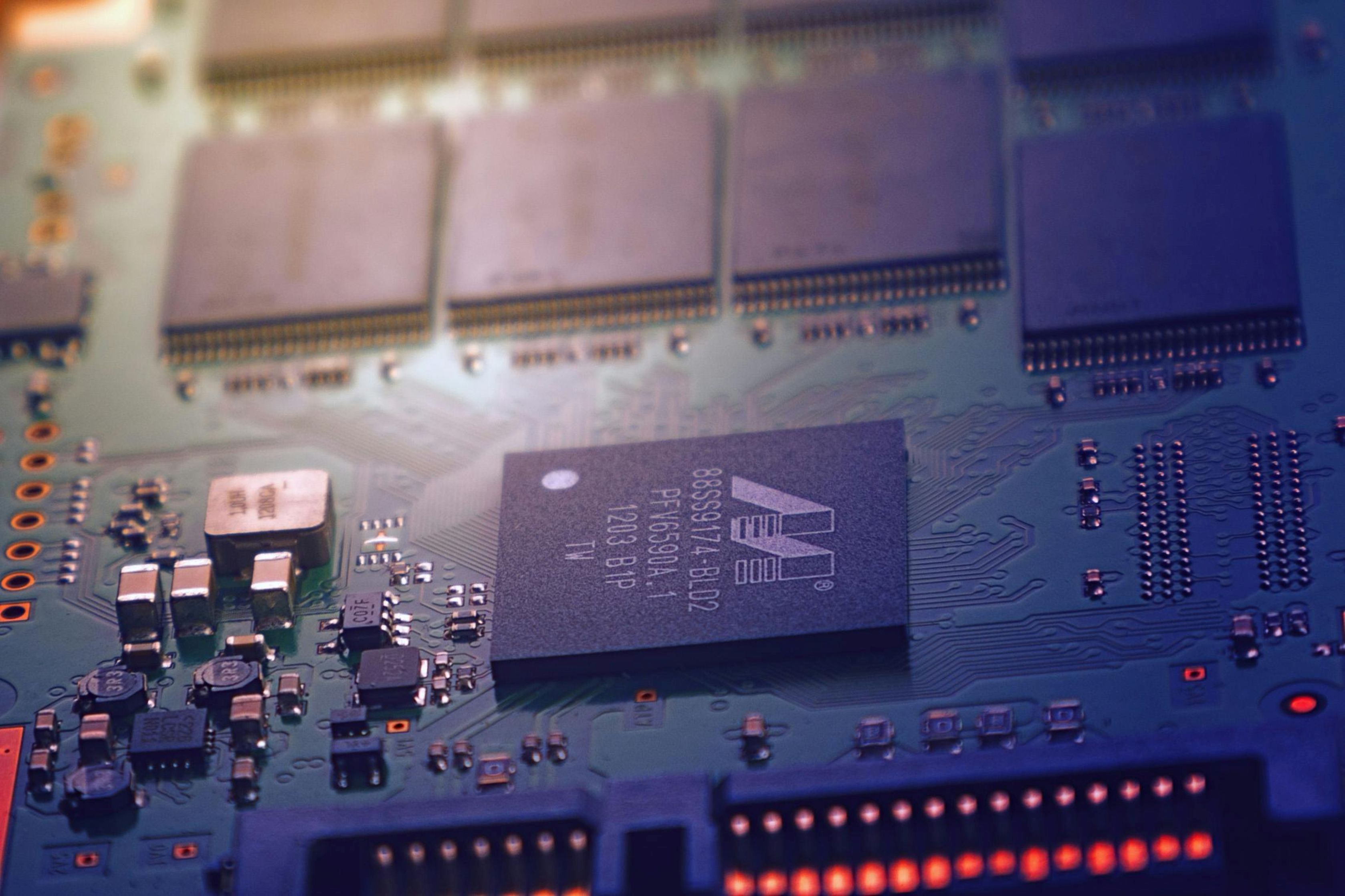
Pexels.com


Nvidia’s public backing has pushed Marvell Technology into the spotlight, but the long-term investment case depends on execution, revenue growth and AI infrastructure demand.
Marvell Technology has become one of the most talked-about names in the semiconductor sector after its shares jumped sharply following comments from Nvidia chief executive Jensen Huang. At a Computex event in Taipei, Huang described Marvell as a potential “next trillion-dollar company”, helping drive a surge in investor interest. The attached article reported a share rise of around 22%, supported by optimism around Marvell’s AI chip and data centre business.
The excitement is linked to Marvell’s growing role in artificial intelligence infrastructure. While Nvidia dominates the market for graphics processors used to train and run AI models, Marvell is increasingly important in custom silicon, networking and interconnect technology. These systems help connect large clusters of processors inside AI data centres, where speed, efficiency and bandwidth are critical.
Marvell has said its custom chip business could generate more than $10 billion in revenue by fiscal 2029. It has also lifted its fiscal 2028 revenue outlook to about $16.5 billion, up from a previous forecast of $15 billion.
Key reasons investors are paying attention include:
Reuters reported that Marvell’s market value reached roughly $234 billion after the rally, still far below a trillion-dollar valuation. That gap matters. It shows how much growth investors are already hoping for, but also how far the company would need to climb to meet Huang’s ambitious label.
Nvidia’s wider AI strategy also helps explain the market reaction. At Computex, Nvidia promoted new AI-focused PC technology, including RTX Spark, as part of its work with Microsoft to bring more AI capability directly to laptops and desktop computers. Nvidia said RTX Spark is designed for Windows-native AI agents and personal computing in the AI era.
For Marvell, the opportunity is not just about chips. The bigger story is connectivity. AI systems need powerful processors, but they also need fast data movement between chips, servers and data centres. If connectivity becomes a major bottleneck, Marvell’s networking and interconnect expertise could become increasingly valuable.
Conclusion: what this means for potential investors
Marvell may appeal to investors looking for exposure to the AI infrastructure boom beyond Nvidia. Its custom silicon and networking businesses are well positioned if cloud companies continue spending heavily on AI data centres.
However, the share price rally also raises risk. Much of the optimism now depends on Marvell meeting ambitious revenue targets, expanding margins and proving that demand remains durable. Potential investors should treat the trillion-dollar claim as a long-term possibility rather than a guarantee. Marvell could be an attractive growth investment, but it is likely to suit investors comfortable with volatility, high expectations and semiconductor cycle risk.
Sources: (Reuters.com, YahooFinance.com)

Tradable assets:
Min.Deposit:
Max Leverage:
FCA:

Rating:
 Earnings Calendar
  Economic Calendar
  VAT Calculator
  Tax Free Childcare Calculator
 Percentage Calculator
 Compound Interest Calculator
  Loan Overpayment Calculator
 Mortgage Calculator
 Credit Card Calculator
 Investing
  Economics
 Trading
  Technical Analysis
  Personal Finance
 Calculator