Analysis
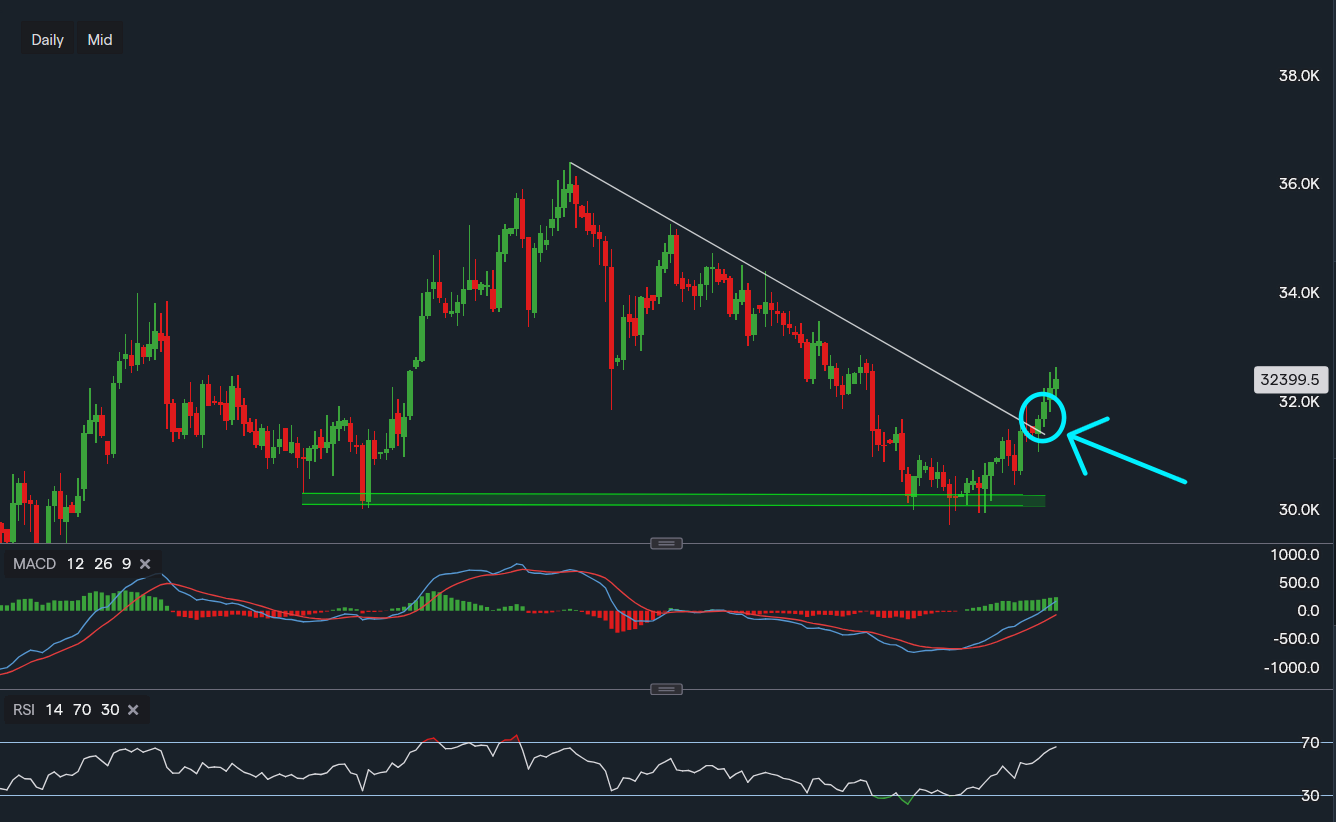
American Express (AXP) Stock Forecast: Technical Analysis Ahead of Earnings
$323.99
22 Oct 2026, 19:04
Neutral


Join Minipip Academy and access free courses in investing, trading, economics, and more.
Sign Up
Pexels.com


British Steel has been taken into public ownership after the government said it could not reach an agreement with the company’s former Chinese owner, Jingye Group.
The Department for Business and Trade said the move was made in the “national interest” and would help stabilise the business while a new leadership team develops a commercially sustainable, low-carbon future. The government said the decision would protect thousands of jobs at British Steel and across its wider supply chain.
British Steel, based in Scunthorpe, is the UK’s second-largest steel producer and the last remaining site in the country making virgin steel from raw materials such as iron ore and coking coal. It is also a key supplier of steel rails to Network Rail and provides products to the construction and automotive industries.
The government had already taken control of the company in April last year after Jingye considered closing the two blast furnaces at Scunthorpe. Ministers said talks with the owner had failed to deliver a solution that secured the company’s future while also offering value for taxpayers.
The intervention has already cost the public purse around £555 million. Business Secretary Peter Kyle said the spending was justified because the UK could not afford to become wholly dependent on overseas producers for premium steel.
For the British economy, this is a significant moment. Steel is not just another manufacturing product. It is central to infrastructure, transport, defence, housing and industrial supply chains. Losing domestic production could leave the UK exposed to:
However, nationalisation also creates risks. British Steel has faced major financial pressure, partly due to high UK energy costs, trade tariffs and the expensive shift towards lower-carbon steelmaking. The business has reportedly been losing up to £700,000 a day, raising questions over how long taxpayers may need to support it.
For markets, the decision could be read in two ways. On one side, it may support confidence in UK infrastructure and industrial policy by showing the government is willing to protect strategic assets. It may also benefit suppliers, regional employment and businesses linked to construction, rail and manufacturing.
On the other side, investors may worry about further state intervention in struggling industries. If companies believe high costs will be absorbed by taxpayers, or if foreign investors fear political intervention, it could affect confidence in the UK as a place to invest.
The move also fits with the government’s wider steel strategy, which aims for up to 50% of steel used in the UK to be made domestically. New trade measures are also designed to reduce the pressure from cheaper imported steel, particularly from China.
Summary
British Steel’s move into public ownership is designed to protect jobs, safeguard the UK’s industrial base and reduce dependence on foreign suppliers. The government sees steel as a strategic industry that matters for infrastructure, national security and economic resilience.
Conclusion
The nationalisation of British Steel may prove positive if it stabilises the business, protects skilled jobs and helps the UK build a competitive low-carbon steel sector. But the challenge is cost. Unless energy prices, modernisation and profitability are addressed, the company could remain a financial burden on taxpayers.
For the British economy, this is a test of whether the UK can rebuild strategic manufacturing while staying competitive. For markets, it signals a more active government role in industry, which could support some sectors but raise concerns about political risk and long-term taxpayer exposure.
Sources: (SKYMoney.com, BBC.co.uk, Reuters.com)

Tradable assets:
Min.Deposit:
Max Leverage:
FCA:

Rating:
 Earnings Calendar
  Economic Calendar
  VAT Calculator
  Tax Free Childcare Calculator
 Percentage Calculator
 Compound Interest Calculator
  Loan Overpayment Calculator
 Mortgage Calculator
 Credit Card Calculator
 Investing
  Economics
 Trading
  Technical Analysis
  Personal Finance
 Calculator