News
What Labour’s Leaked Plans Could Mean for Your Money
10 Oct 2026, 12:26


Join Minipip Academy and access free courses in investing, trading, economics, and more.
Sign Up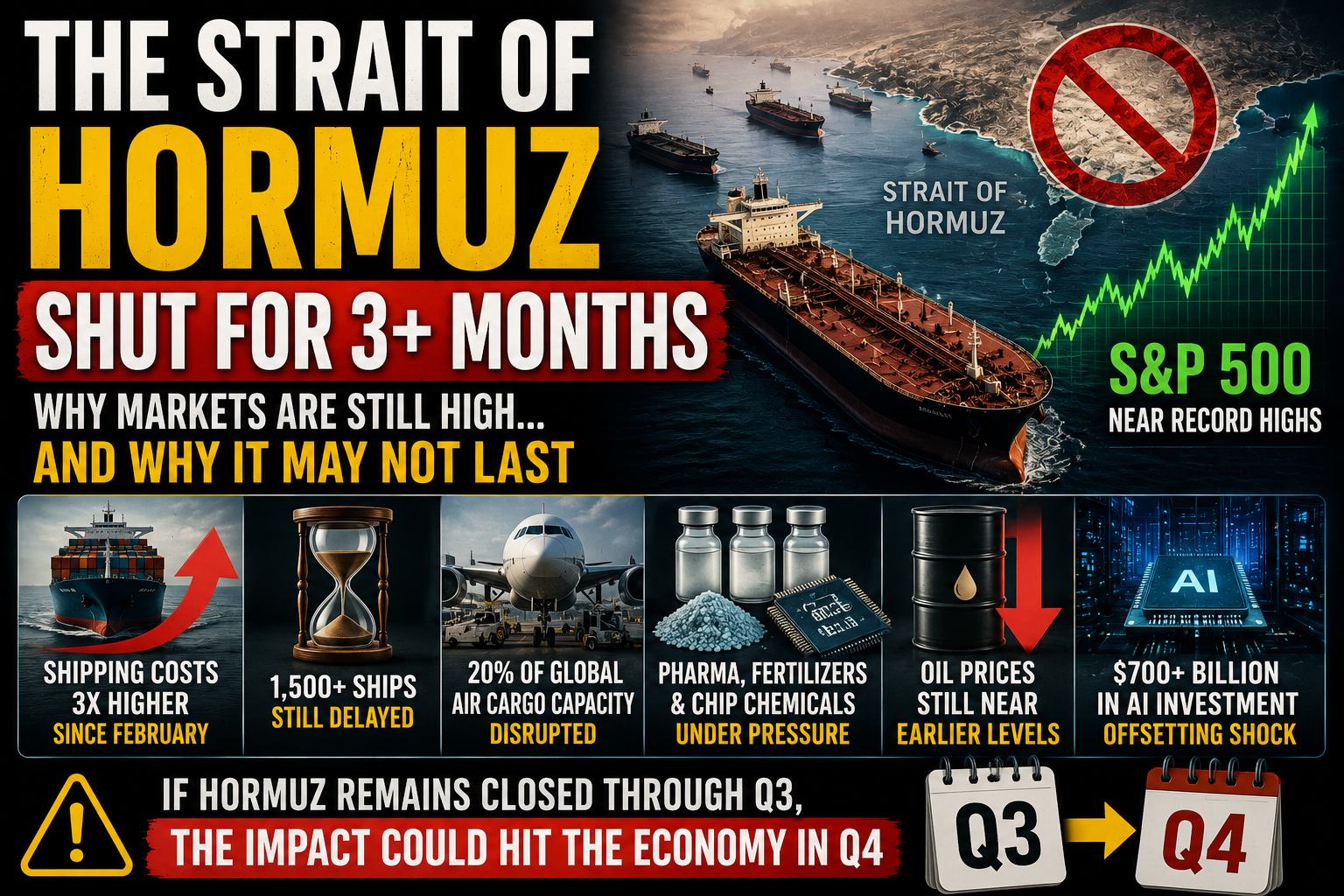
Hormuz Disruption Tests Markets as AI Boom Masks Economic Strain


The Strait of Hormuz has now been severely restricted for more than three months, forcing a major shift in global energy flows. The route normally carries a significant share of the world’s oil, but shipments have been diverted through alternative routes as the disruption continues. Its reported that crude flows through the strait have fallen sharply from pre-crisis levels, while Asia has increased imports of US crude to help offset the shortfall.
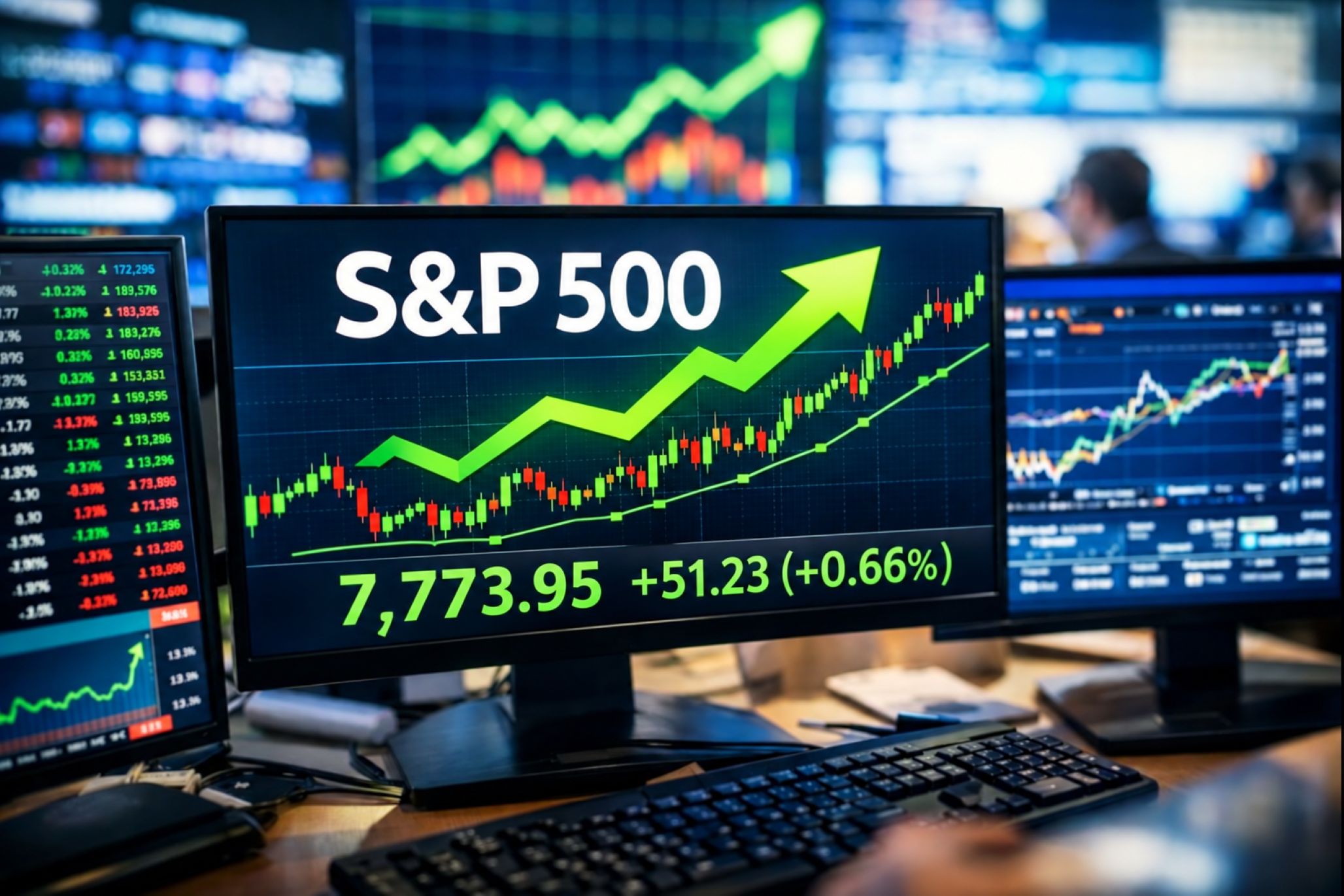
Yet despite the scale of the disruption, stock markets remain close to record highs.
That has raised an important question: how long can markets keep looking past the risk?
Shipping networks are already under pressure. Higher transport costs, vessel delays and disrupted air cargo capacity have added strain to global supply chains, particularly for industries that rely on time-sensitive goods. Pharmaceuticals, fertilisers and specialist chemicals used in semiconductor manufacturing are among the sectors exposed to delays and higher costs.
Oil prices have also been surprisingly contained compared with the severity of the disruption. Part of the reason is that alternative routes have helped ease some pressure, with energy producers moving more supply through ports and pipelines outside the strait. The International Energy Agency said exports through alternative routes had increased sharply after the crisis began.
But the situation may not be resolved quickly. US officials have reportedly warned that clearing mines from the Strait of Hormuz could take up to six months, meaning the disruption could last much longer than markets currently expect.
For now, one major force has helped offset the shock: artificial intelligence investment. Hundreds of billions of dollars are expected to flow into chips, data centres and supporting infrastructure this year, helping support markets even as energy and logistics risks rise.
But AI spending has limits.
If Hormuz remains largely inaccessible through the third quarter, the economic impact could continue to build. By the fourth quarter, higher costs and supply chain pressure may start showing up more clearly across the wider economy — and markets may find it harder to ignore.

Tradable assets:
Min.Deposit:
Max Leverage:
FCA:

Rating:
 Earnings Calendar
  Economic Calendar
  VAT Calculator
  Tax Free Childcare Calculator
 Percentage Calculator
 Compound Interest Calculator
  Loan Overpayment Calculator
 Mortgage Calculator
 Credit Card Calculator
 Investing
  Economics
 Trading
  Technical Analysis
  Personal Finance
 Calculator