Analysis
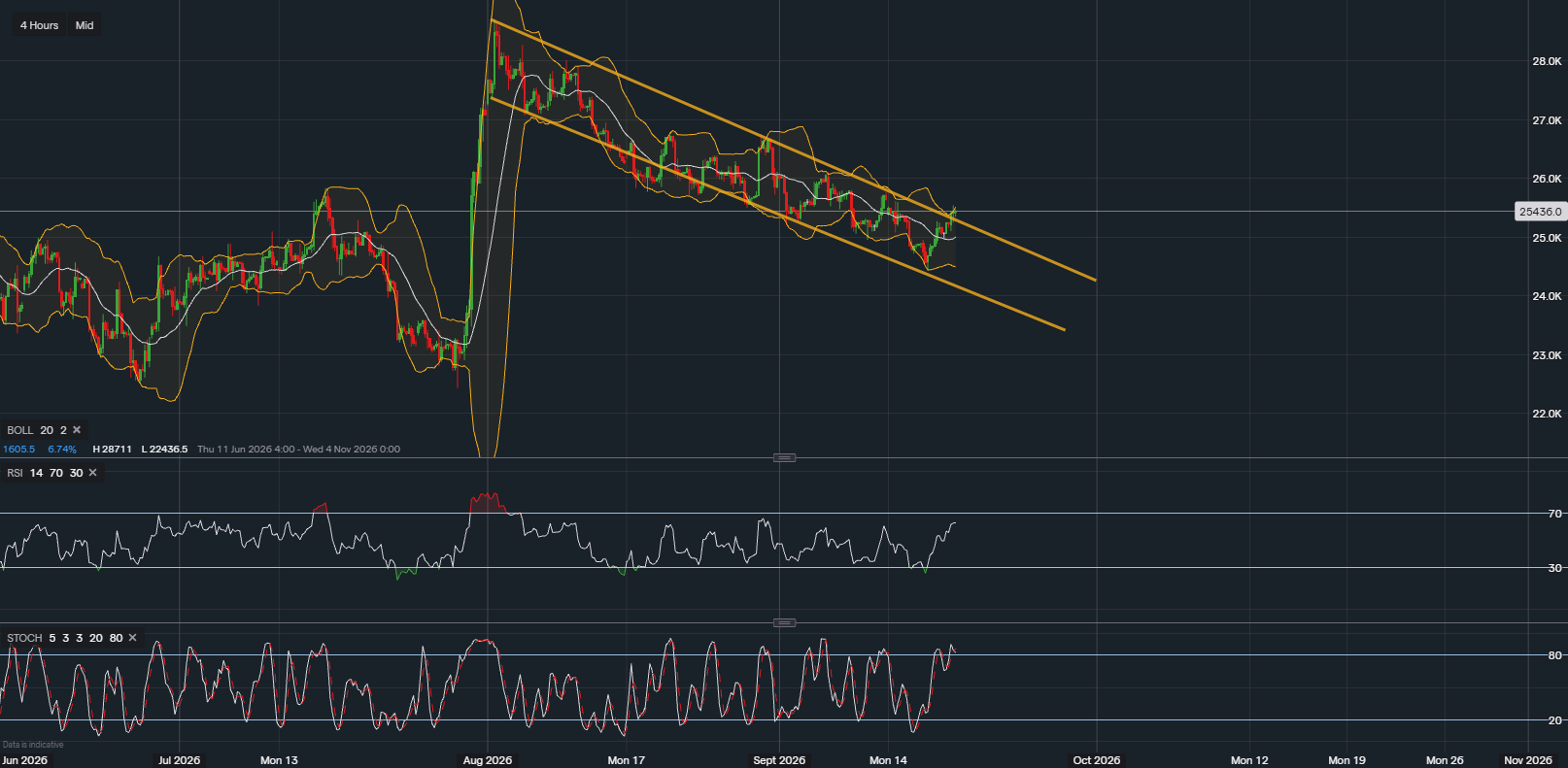
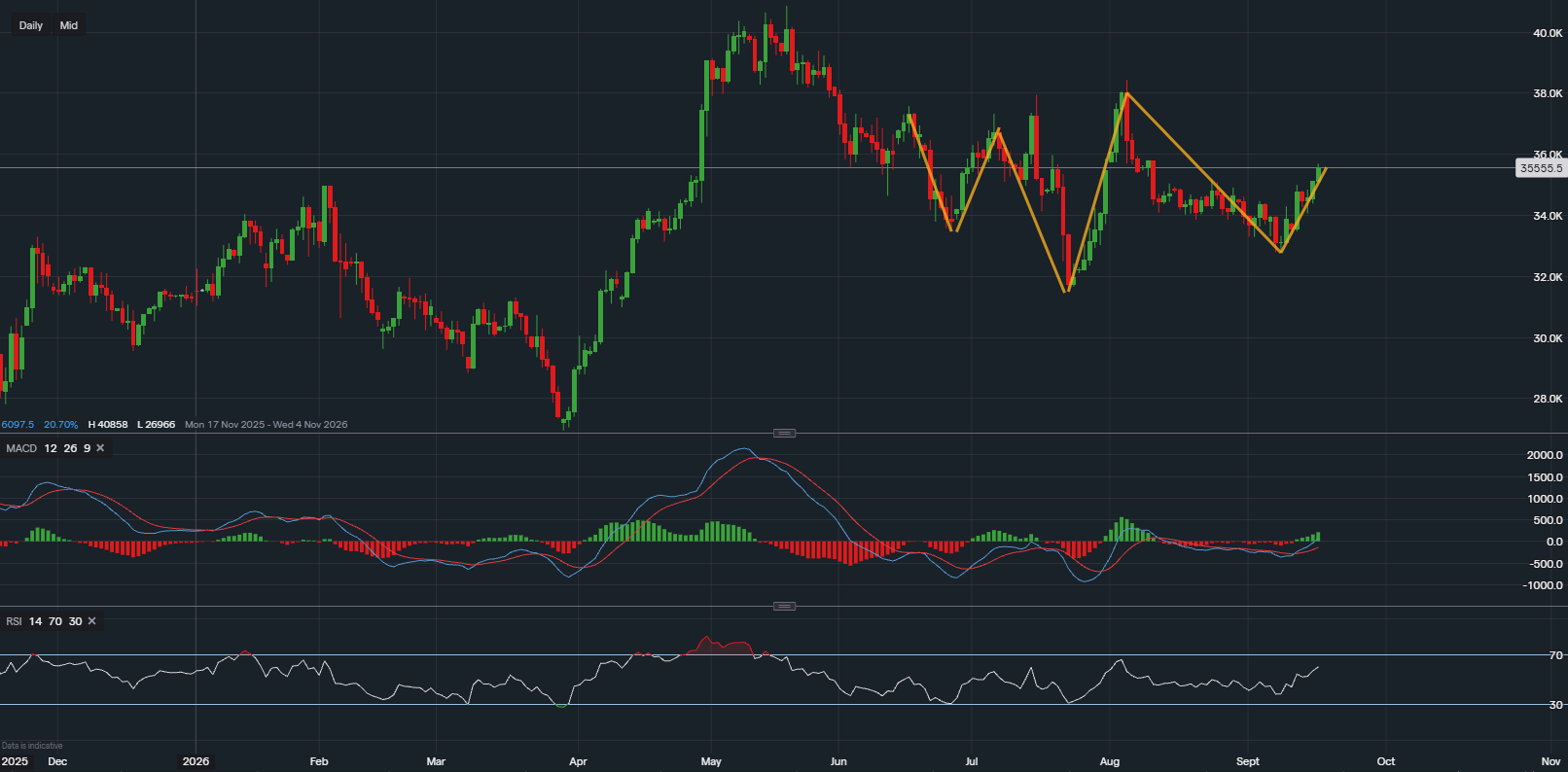
Amazon Stock Analysis: Can the Bullish Reversal Continue?
$254.36
19 Sep 2026, 12:29
Bullish


Join Minipip Academy and access free courses in investing, trading, economics, and more.
Sign Up
Pexels.com


Inflation was largely in line with forecasts, but investors remain cautious as technology shares weaken.
US stocks opened lower on Wednesday as investors reacted to rising US-Iran tensions, fresh pressure on technology shares and the latest US inflation figures.
The S&P 500 fell 0.6% shortly after the opening bell, while the Nasdaq Composite dropped 0.8%. The Dow Jones Industrial Average also moved lower, losing 0.7%. Although the May inflation report was broadly in line with expectations, market sentiment remained under pressure due to geopolitical risk and growing doubts around the artificial intelligence trade.
The US Consumer Price Index rose 0.5% in May and 4.2% over the year. Core CPI, which removes food and energy prices, increased 0.2% month-on-month and 2.9% year-on-year. The softer core reading gave some reassurance that underlying inflation is not accelerating sharply.
However, investors are still worried that higher energy prices could feed into inflation if tensions in the Middle East continue to disrupt oil supply. Brent crude has remained elevated as markets monitor the Strait of Hormuz, a key waterway for global oil trade.
Several issues are currently weighing on markets:
The technology sector remains the main area of concern. Semiconductor shares have been under pressure after Broadcom’s latest results failed to fully satisfy investors. Although Broadcom reported strong AI growth, markets have become extremely demanding. Any sign that growth expectations are not being upgraded can now trigger a sharp reaction.
The Philadelphia Semiconductor Index fell in the previous session, with major chip names including Nvidia, Micron, Intel and Qualcomm also under pressure. This shows that investors are becoming more selective after a strong rally in AI-related stocks.
Oracle’s earnings are also being closely watched. As another major technology company linked to cloud computing and AI infrastructure, its results could give investors a clearer view of whether corporate spending on artificial intelligence remains strong.
Super Micro Computer also added to the nervous tone. The server maker fell sharply after announcing plans to raise $7 billion through equity-related financing. The move is designed to fund hardware purchases, but it also raised concerns about shareholder dilution and the rising cost of supporting AI growth.
Conclusion
The latest market moves suggest investors are becoming more cautious. Inflation may not have delivered a major shock, but geopolitical tensions, oil prices and AI valuation concerns are enough to keep pressure on stocks.
For potential investors, this may be a time to avoid chasing overheated technology shares. Strong long-term opportunities may still exist in AI, semiconductors and cloud infrastructure, but valuations matter. Waiting for pullbacks, stronger earnings confirmation and clearer guidance may offer a safer entry point than buying during periods of uncertainty.
Sources: (Investing.com, Reuters.com)

Tradable assets:
Min.Deposit:
Max Leverage:
FCA:

Rating:
 Earnings Calendar
  Economic Calendar
  VAT Calculator
  Tax Free Childcare Calculator
 Percentage Calculator
 Compound Interest Calculator
  Loan Overpayment Calculator
 Mortgage Calculator
 Credit Card Calculator
 Investing
  Economics
 Trading
  Technical Analysis
  Personal Finance
 Calculator