Analysis
Broadcom Stock Outlook: Is AVGO Becoming a Buying Opportunity?
$364.30
11 Sep 2026, 15:00
Neutral


Join Minipip Academy and access free courses in investing, trading, economics, and more.
Sign Up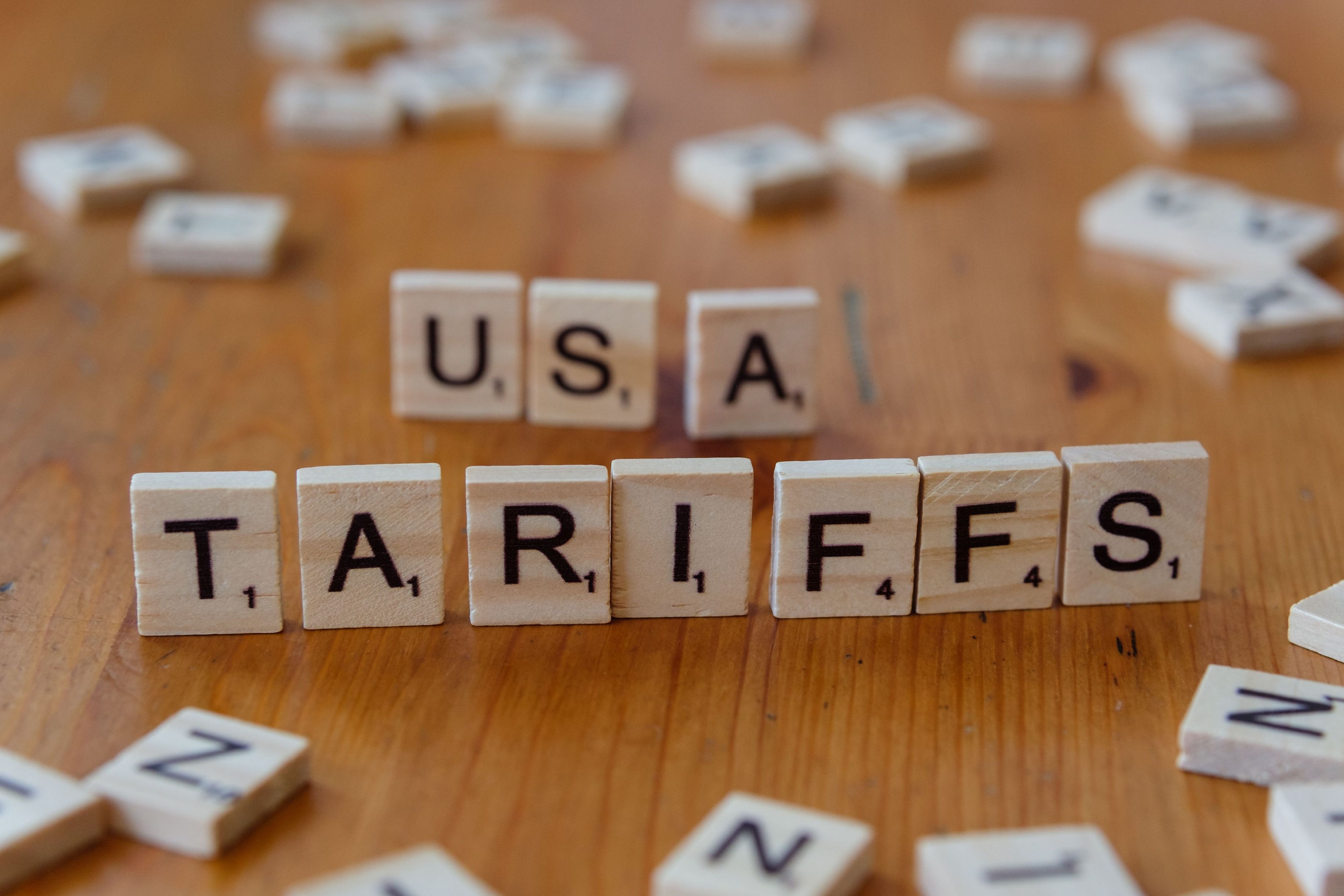
Pexels.com


The United States has introduced new tariffs on imports from around 60 countries, raising fresh concerns about global trade tensions, higher consumer prices and possible retaliation from affected nations.
The duties range from 10% to 12.5% and apply to major US trading partners, including the UK, China, Canada, Mexico and the European Union. The Trump administration says the measures are intended to address countries that have failed to prevent goods made using forced labour from entering their supply chains.
Although the policy has been presented as a human rights measure, it could have wider consequences for markets, businesses and international investment.
Why Has the US Introduced New Tariffs?
The measures follow an investigation by the Office of the US Trade Representative, which claimed that several economies had not introduced or effectively enforced restrictions on products linked to forced labour.
The new tariffs fall under Section 301 of the Trade Act of 1974, which allows the US to respond to trade practices it considers unfair or discriminatory.
They effectively replace the previous 10% global tariff introduced by Donald Trump in February. Those earlier measures were later ruled unlawful by the US Supreme Court, forcing the government to issue approximately $81 billion in tariff refunds during the current financial year.
The new policy includes some exemptions where:
UK Tariff Rate Remains at 10%
The UK will continue to face a 10% tariff, meaning the latest announcement does not increase the rate currently applied to British businesses.
The UK Government has said the preferential access agreed with the United States remains in place. It also argued that Washington had recognised the steps Britain has taken to reduce forced labour and human rights abuses within international supply chains.
However, the continued tariff could still affect UK exporters by making their products more expensive for American customers.
Industries with significant exposure to the US market may face pressure to absorb some of the cost, raise prices or reduce exports.
Other Countries Threaten Retaliation
The announcement has drawn criticism from several affected countries.
Brazil, which faces a 12.5% tariff, described the measure as arbitrary and unjustified and has threatened to introduce retaliatory duties.
Australia has also argued that the tariffs are inconsistent with its free trade agreement with the United States.
Meanwhile, Canada faces an additional threat of 50% tariffs on certain goods. Canadian Prime Minister Mark Carney has warned that a range of responses remains available if an agreement cannot be reached before the measures take effect.
What Could the Tariffs Mean for Markets and Investments?
A renewed trade conflict could create greater uncertainty across global financial markets.
Possible market effects include:
Companies with complex global supply chains may face the greatest risk. Retailers, carmakers, technology businesses and industrial manufacturers could see costs rise if they depend heavily on international suppliers.
However, some US-based manufacturers may benefit if tariffs make imported products less competitive. Domestic steel producers, industrial firms and supply-chain technology companies could attract greater investor interest.
The longer-term impact will depend on whether countries negotiate exemptions or respond with tariffs of their own. If retaliation spreads, the measures could weaken global economic growth and place renewed pressure on corporate earnings.
This is a personal market view and not financial advice. Always conduct your own research before investing.
Sources: (SKYMoney.com, Reuters.com)

Tradable assets:
Min.Deposit:
Max Leverage:
FCA:

Rating:
 Earnings Calendar
  Economic Calendar
  VAT Calculator
  Tax Free Childcare Calculator
 Percentage Calculator
 Compound Interest Calculator
  Loan Overpayment Calculator
 Mortgage Calculator
 Credit Card Calculator
 Investing
  Economics
 Trading
  Technical Analysis
  Personal Finance
 Calculator