Analysis
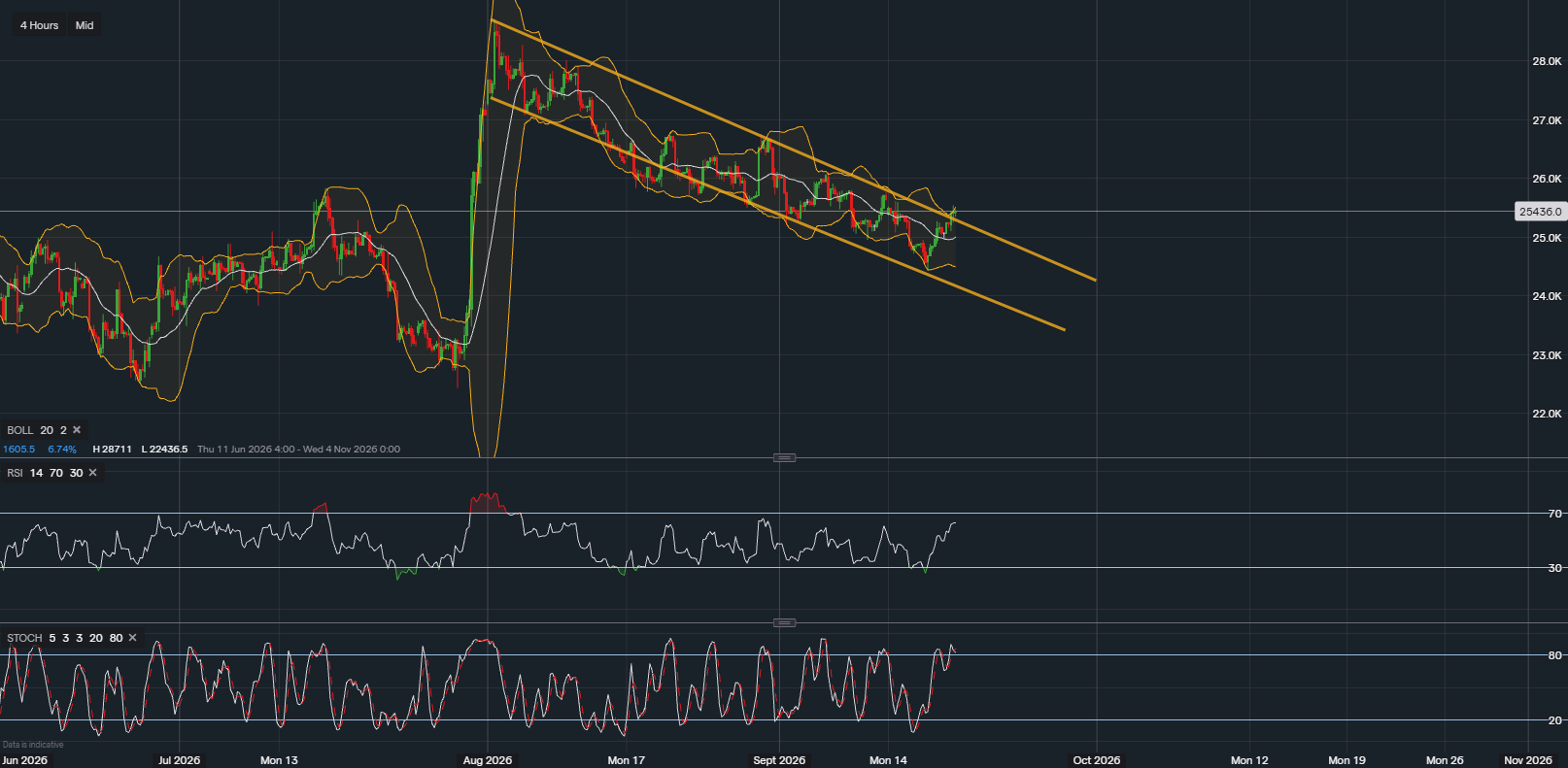
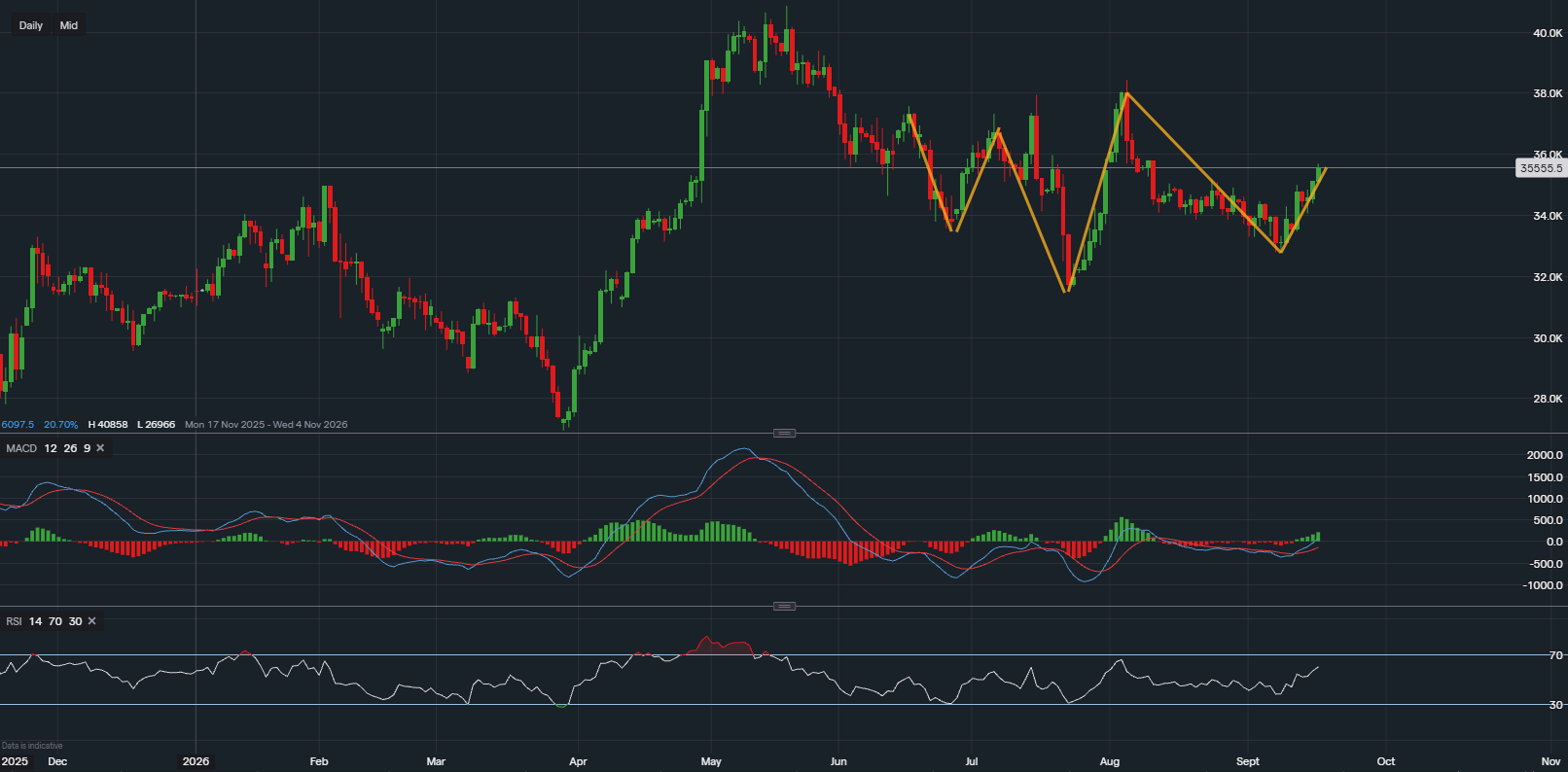
Amazon Stock Analysis: Can the Bullish Reversal Continue?
$254.36
19 Sep 2026, 12:29
Bullish


Join Minipip Academy and access free courses in investing, trading, economics, and more.
Sign Up
Pexels.com


Intel shares rose by more than 4% in pre-market trading after the US chipmaker reported quarterly sales and profits well above expectations.
The company delivered its strongest revenue growth in more than 15 years, supported by rising demand for artificial intelligence infrastructure, data-centre processors and semiconductor manufacturing capacity.
The results suggest Intel’s turnaround strategy under chief executive Lip-Bu Tan may be beginning to gain traction, although rising investment costs and long-term pressure on the personal computer market remain important risks.
Intel Earnings Beat Expectations
Intel reported adjusted earnings of $0.42 per share for the second quarter, double the $0.21 expected by analysts.
Revenue climbed 25% compared with the same period last year, reaching $16.13 billion. This was comfortably ahead of the market forecast of approximately $14.33 billion.
Intel also issued stronger-than-expected guidance for the current quarter:
The company had previously expected capital spending of around $18 billion, showing how aggressively it is investing in manufacturing and AI infrastructure.
AI and Data Centres Lead Intel’s Growth
Intel’s data centre and AI division was the strongest part of the business during the quarter. Revenue from the segment increased by 59% to $6.3 billion.
The company also recorded growth across its other major divisions:
Intel also launched its Xeon 6+ server processor, produced using the company’s advanced Intel 18A manufacturing process.
The business has started high-volume production of selected Panther Lake processors using ASML’s High-NA EUV equipment, while plans have been outlined to invest €5 billion in additional Xeon manufacturing capacity.
Could Intel Become a Major AI Winner?
Intel is not currently viewed as the leading AI chip company in the same way as Nvidia. However, its central processing units remain essential for servers and AI systems.
As businesses build more data centres and introduce increasingly advanced AI agents, demand for Intel’s processors could continue to rise.
Intel’s position as one of the few major US semiconductor manufacturers may also prove valuable. The US Government has shown increasing interest in reducing America’s dependence on Asian chip production, potentially creating greater political and financial support for domestic manufacturers.
What Could This Mean for Markets and Investments?
The results may strengthen confidence across the wider semiconductor sector. Strong demand for Intel products suggests the AI infrastructure cycle may still be at an early stage rather than approaching its peak.
Potential market implications include:
There are still risks. Intel expects spending to increase again next year, which could put pressure on margins and cash flow. The company has also warned that AI growth may eventually reduce demand for traditional personal computers.
For investors, the latest Intel earnings report offers encouraging evidence that the company’s recovery is progressing. However, the next stage will depend on whether Intel can turn its heavy spending and rising AI demand into sustainable profits.
This is a personal market view and not financial advice. Always conduct your own research before investing.
Sources: (Investing.com, Reuters.com)

Tradable assets:
Min.Deposit:
Max Leverage:
FCA:

Rating:
 Earnings Calendar
  Economic Calendar
  VAT Calculator
  Tax Free Childcare Calculator
 Percentage Calculator
 Compound Interest Calculator
  Loan Overpayment Calculator
 Mortgage Calculator
 Credit Card Calculator
 Investing
  Economics
 Trading
  Technical Analysis
  Personal Finance
 Calculator