Analysis
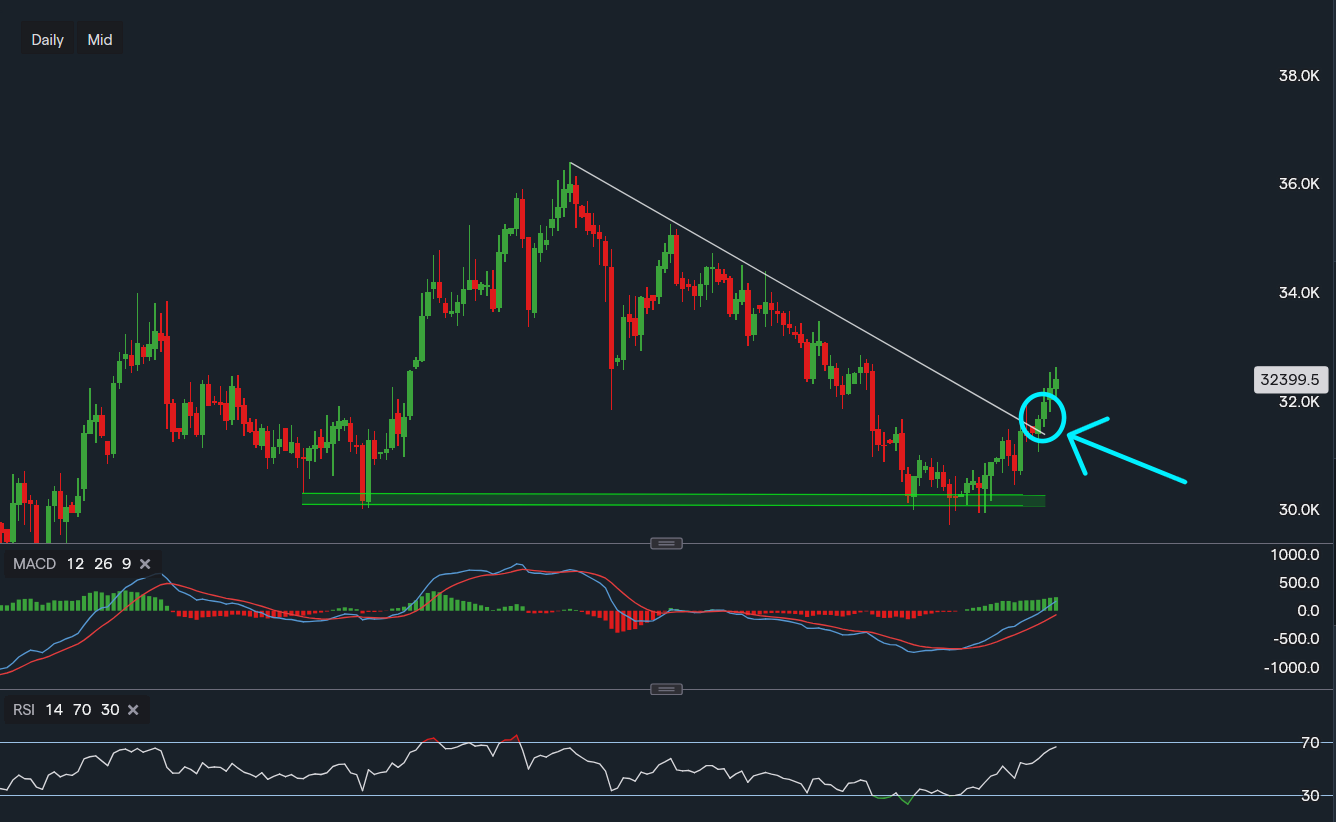
American Express (AXP) Stock Forecast: Technical Analysis Ahead of Earnings
$323.99
22 Oct 2026, 19:04
Neutral


Join Minipip Academy and access free courses in investing, trading, economics, and more.
Sign Up
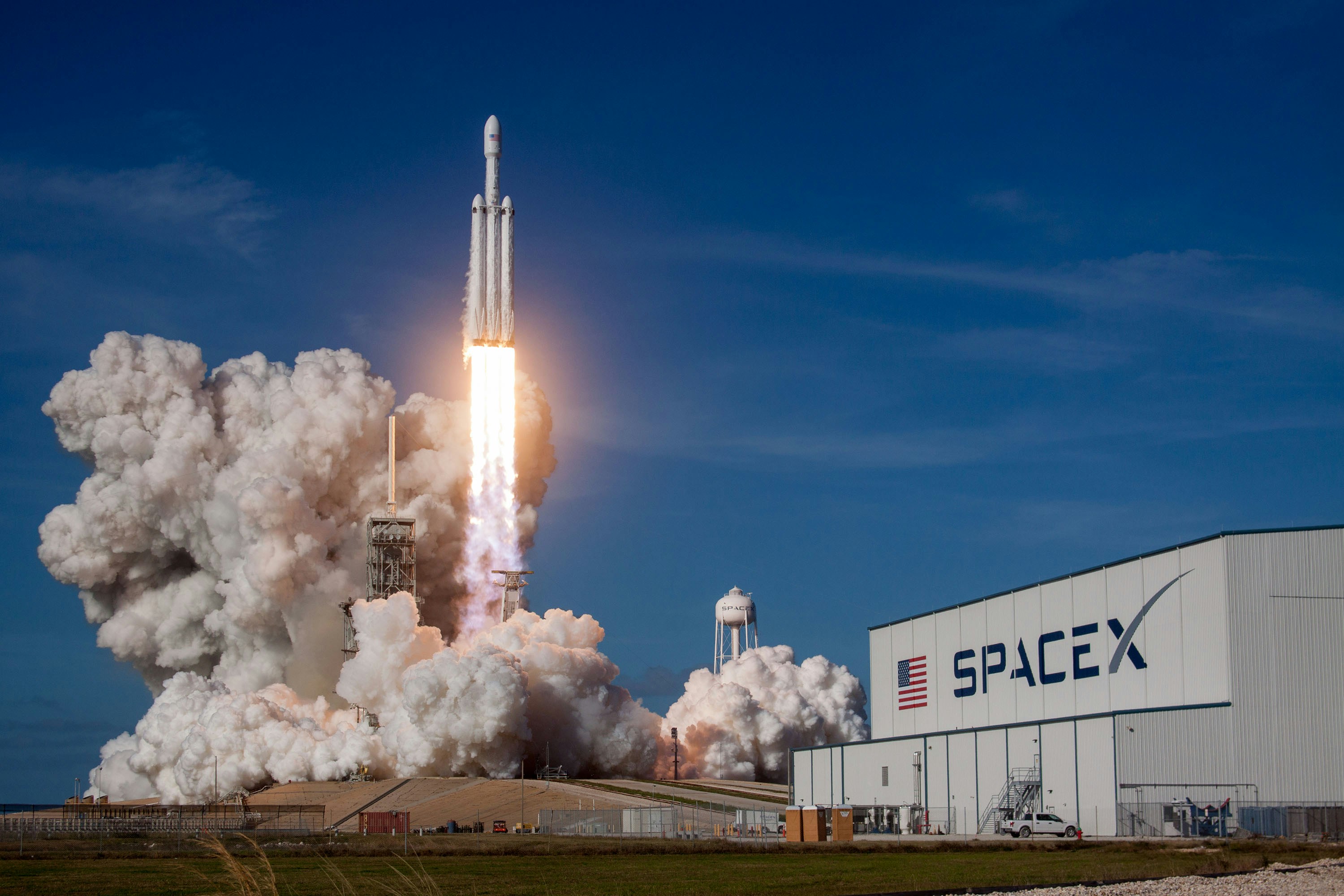
Pexels.com


SpaceX shares have continued to fall following the company’s high-profile stock market debut, handing short sellers an estimated $15.5 billion in unrealised profits.
The company listed on the Nasdaq under the ticker SPCX at an initial public offering price of $135 on 11 June 2026. Investor excitement initially pushed the shares as high as $225.64 on 16 June, but that early rally has since reversed sharply.
By the close on 22 July, SpaceX shares had fallen to $115.26. This left the stock approximately 49% below its post-IPO high and around 15% below its original listing price.
SpaceX Short Interest Surges
Short sellers attempt to profit when a company’s share price falls. They typically borrow shares, sell them and then aim to buy them back later at a lower price.
According to estimates from Ortex Technologies, nearly 196 million SpaceX shares had been sold short by late July. This represented roughly 31% of the company’s tradable shares.
At the time of the IPO, short interest was estimated at only around 40 million shares, or approximately 5% to 7% of the available float.
The figures suggest bearish investors have continued increasing their positions as the stock has fallen rather than taking profits.
Key figures include:
Why Are SpaceX Shares Falling?
Several factors appear to have contributed to the decline in SpaceX shares.
Investors have become increasingly concerned about the company’s debt-funded investment in artificial intelligence and other expensive technology projects. Although these investments could support future growth, they may also place pressure on cash flow and profitability.
A Starship launch abort in mid-July also damaged market sentiment and reportedly wiped around $100 billion from the company’s market value.
The rapid reversal may also suggest that SpaceX’s early valuation had become too optimistic following the initial surge after the IPO.
Short Squeeze Risk Remains High
Although short sellers are currently benefiting, the size of the bearish position creates substantial risk.
If SpaceX delivers positive news or stronger-than-expected earnings, short sellers may rush to buy back shares to close their positions. This could produce a short squeeze, where increased buying causes the stock to rise rapidly.
Elon Musk has also warned that companies maintaining significant long-term short positions against SpaceX face a low probability of survival.
What Could This Mean for Markets and Investments?
SpaceX’s first earnings report is expected on 4 August 2026. Investors will be watching revenue, cash flow, debt levels and spending on artificial intelligence and launch development.
Markets will also be focused on the company’s lock-up expiry. From 6 August, insiders may be allowed to sell up to 20% of their eligible locked-up shares, potentially adding as many as 911.5 million shares to the market.
This could have several consequences:
For investors, SpaceX remains a highly speculative stock. Its long-term growth opportunities may be significant, but high short interest, an upcoming earnings report and the lock-up expiry mean large price movements are likely to remain possible.
This is a personal market view and not financial advice. Always conduct your own research before investing.
Sources: (Investing.com, Reuters.com)

Tradable assets:
Min.Deposit:
Max Leverage:
FCA:

Rating:
 Earnings Calendar
  Economic Calendar
  VAT Calculator
  Tax Free Childcare Calculator
 Percentage Calculator
 Compound Interest Calculator
  Loan Overpayment Calculator
 Mortgage Calculator
 Credit Card Calculator
 Investing
  Economics
 Trading
  Technical Analysis
  Personal Finance
 Calculator