Analysis
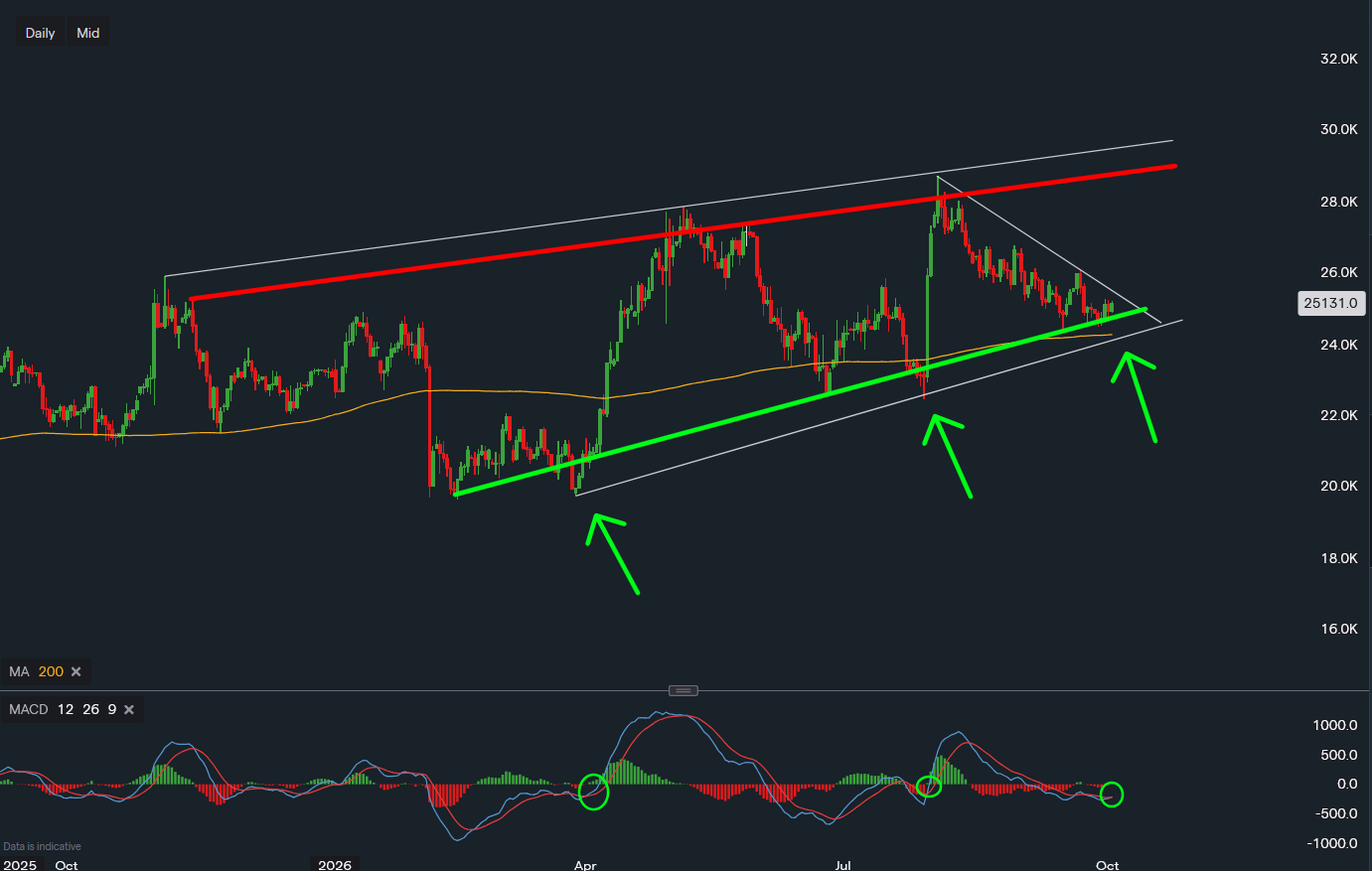
Amazon Stock Technical Analysis: AMZN Price Targets, Support and Resistance
$251.31
02 Oct 2026, 14:36
Neutral


Join Minipip Academy and access free courses in investing, trading, economics, and more.
Sign Up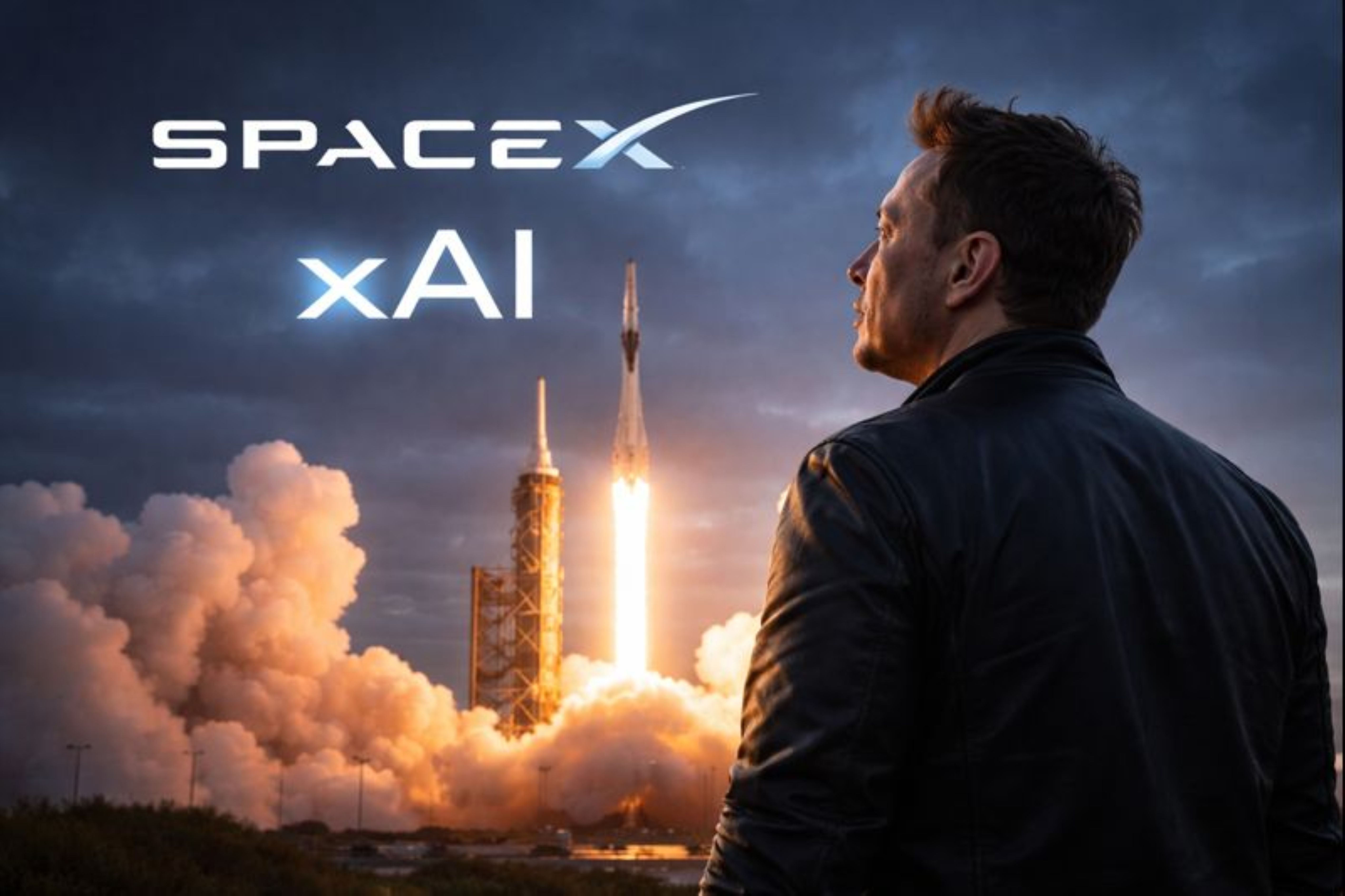
AI


Elon Musk says merger will create a trillion-dollar “vertically integrated innovation engine”
Elon Musk has announced that SpaceX has acquired artificial intelligence start-up xAI, bringing together two of his most ambitious companies in a move he says could redefine the future of AI, space technology and global communications.
The deal unites rocket launches, satellite networks and advanced artificial intelligence under one corporate umbrella, with Musk describing the merger as the foundation for a new era of space-based computing.
A merger designed to scale AI beyond Earth
According to Musk, combining SpaceX and xAI will allow both companies to pursue goals that would be difficult to achieve independently.
Key objectives of the combined business include:
Musk described the merger as “the most ambitious, vertically integrated innovation engine on (and off) Earth”.
Why space-based AI is central to Musk’s vision
Musk has long argued that the future of artificial intelligence depends on access to vast computing power and energy resources. In his announcement, he said scaling AI on Earth alone would eventually hit physical and economic limits.
He pointed to several advantages of moving AI infrastructure into orbit:
In Musk’s words, “It’s always sunny in space”, making it an ideal environment for energy-hungry AI systems.
A company valued at more than $1 trillion
Following the acquisition, the combined SpaceX–xAI group is estimated to be worth around $1.25 trillion, according to industry analysts. The deal comes as SpaceX prepares for a widely anticipated initial public offering, which is expected to be announced later this year.
The move also strengthens Musk’s wider technology empire, which already spans electric vehicles, satellite internet and social media.
Growing competition in space-based computing
SpaceX is not alone in exploring AI infrastructure beyond Earth. Other major technology firms are also investing in orbital computing concepts.
Recent developments include:
These initiatives underline how rapidly AI energy requirements are reshaping technology strategy.
Ongoing scrutiny over AI safety and regulation
The acquisition comes shortly after controversy surrounding xAI’s chatbot technology on social media platform X. Complaints that the tool was being misused to create inappropriate images triggered an investigation by the UK’s online safety regulator.
Following the backlash, the company introduced new restrictions preventing the AI from altering images of real people in a sexualised way, stating that the rules apply to all users, including paid subscribers.
UK officials have warned that technology platforms must comply fully and immediately with online safety laws.
What this deal means for the future of AI
By merging SpaceX and xAI, Musk is signalling a long-term strategy focused on scale, energy efficiency and global reach. If successful, space-based AI could fundamentally change how artificial intelligence is powered, deployed and regulated in the decades ahead.
The acquisition marks not just a new chapter for both companies, but a significant moment in the race to define the future of AI infrastructure.
Sources: (SKY.com, CNN.com)

Tradable assets:
Min.Deposit:
Max Leverage:
FCA:

Rating:
 Earnings Calendar
  Economic Calendar
  VAT Calculator
  Tax Free Childcare Calculator
 Percentage Calculator
 Compound Interest Calculator
  Loan Overpayment Calculator
 Mortgage Calculator
 Credit Card Calculator
 Investing
  Economics
 Trading
  Technical Analysis
  Personal Finance
 Calculator