Analysis
Accenture Tests Key Resistance as Earnings Loom
$197
15 Sep 2026, 18:47
Neutral


Join Minipip Academy and access free courses in investing, trading, economics, and more.
Sign Up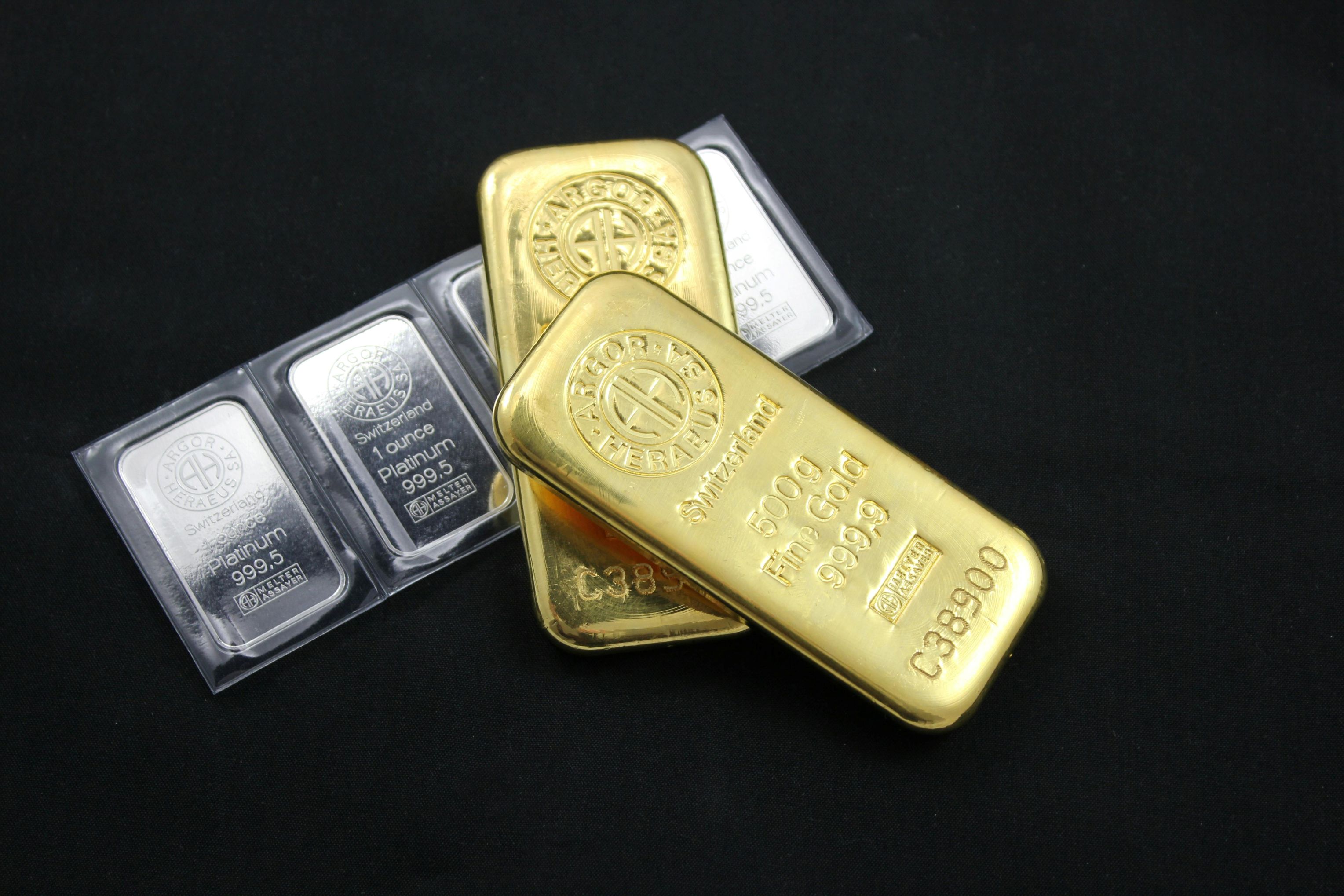
Unsplash.com


Precious metals, oil and crypto slide after Fed chair nomination triggers major market reset
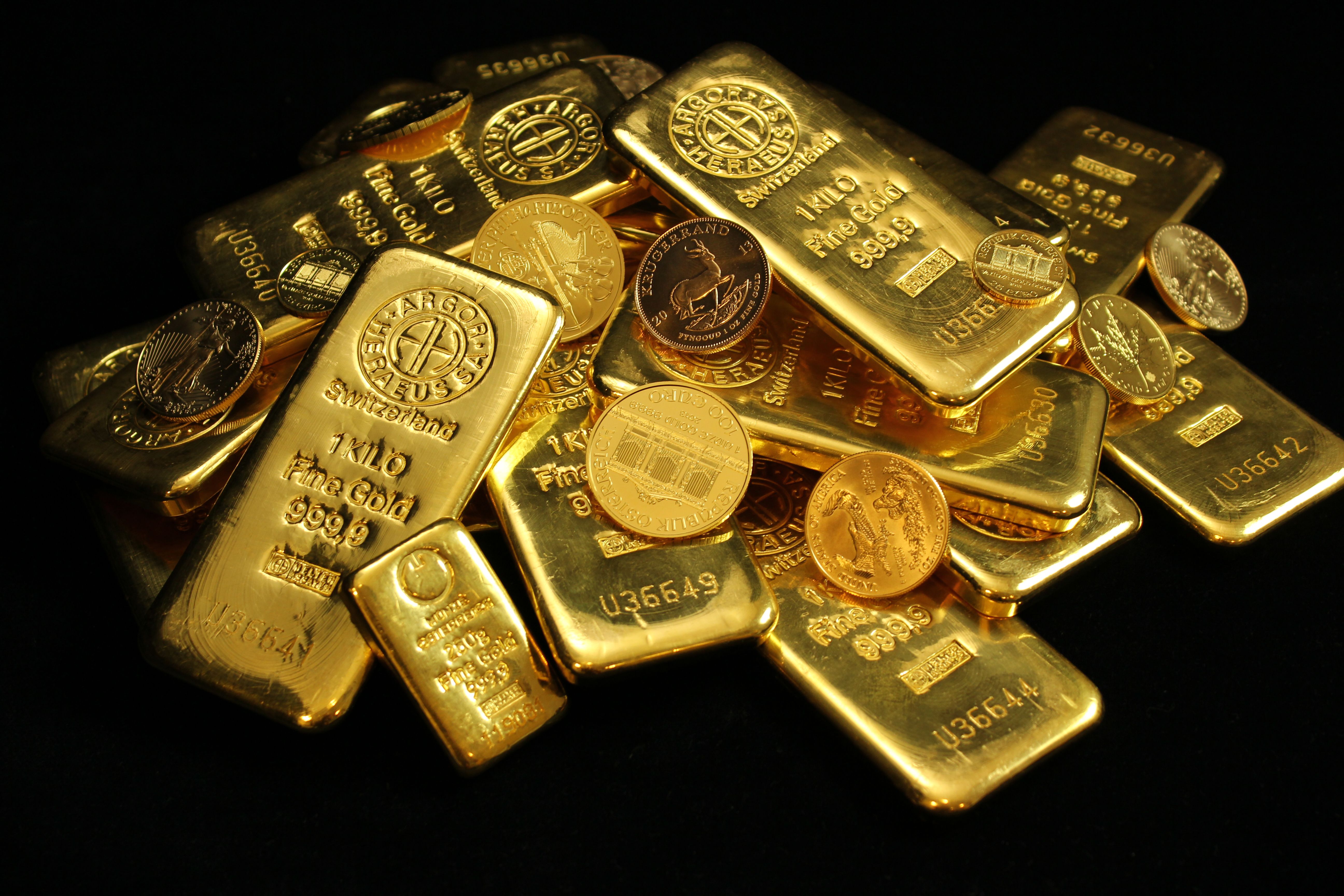
Gold and silver prices have suffered a dramatic sell-off as global markets reacted to a major shift in expectations around US monetary policy. The move marks a sharp reversal after both metals recently hit record highs, highlighting how quickly sentiment can change when policy uncertainty fades.
Precious Metals Suffer Historic Losses
Gold and silver extended heavy losses on Monday, following one of their worst sessions in decades at the end of last week.
Just days earlier, both metals were trading at record highs. Gold had peaked at $5,594.82, while silver had surged to $121.64 during a powerful safe-haven rally.
Market analysts described Friday’s sell-off as the worst single-day move for gold since 1983 and for silver since 1980, underlining the scale of the reversal.
Fed Chair Nomination Triggers Sudden Shift
The sharp decline followed an announcement by US President Donald Trump that he intends to nominate Kevin Warsh as the next chair of the Federal Reserve, replacing Jay Powell in May.
Markets interpreted the move as a signal that the independence of the Federal Reserve is less at risk than previously feared. This eased demand for traditional safe-haven assets such as gold and silver, which had rallied strongly on concerns about political influence over monetary policy.
Why Gold and Silver Fell So Hard
Several factors combined to intensify the sell-off:
Raising margin requirements during periods of volatility often accelerates price declines, as it creates forced selling rather than discretionary exits.
Broader Market Fallout
The shift in sentiment was not limited to precious metals. Other asset classes also came under pressure:
In Europe, the FTSE 100 slipped around 0.5% in early trading, weighed down by declines in mining and energy stocks. US futures pointed to losses of around 1% for the S&P 500.
What Kevin Warsh’s Views Mean for Markets
Analysts say markets are now reassessing the outlook for liquidity and interest rates under a potential Warsh-led Federal Reserve.
According to Ipek Ozkardeskaya, senior analyst at Swissquote, Warsh has previously criticised loose monetary policy and is expected to favour aggressive balance sheet reduction to tackle inflation.
She noted that the Fed’s balance sheet expanded from below $1 trillion before 2008 to nearly $9 trillion in 2022, and still stands around $6.5 trillion today. A meaningful reduction could mark the end of what many investors see as an era of easy money.
What This Means for Investors
The sell-off highlights how sensitive markets remain to changes in monetary policy expectations. For investors, the key takeaways are:
Outlook
While gold and silver may stabilise after such extreme moves, the broader message is clear: markets are rapidly adjusting to a world with potentially tighter monetary conditions. Until there is clarity on the future direction of US policy, volatility across commodities, crypto and equities is likely to remain elevated.
Sources: (SKYMoney.com, Reuters.com)

Tradable assets:
Min.Deposit:
Max Leverage:
FCA:

Rating:
 Earnings Calendar
  Economic Calendar
  VAT Calculator
  Tax Free Childcare Calculator
 Percentage Calculator
 Compound Interest Calculator
  Loan Overpayment Calculator
 Mortgage Calculator
 Credit Card Calculator
 Investing
  Economics
 Trading
  Technical Analysis
  Personal Finance
 Calculator