News
US Inflation Meets Expectations as Major Stock Indices Rise
13 Sep 2026, 09:56


Join Minipip Academy and access free courses in investing, trading, economics, and more.
Sign Up
Pexels.com


Rising fuel prices, market volatility and energy supply fears are putting pressure on households and investors.
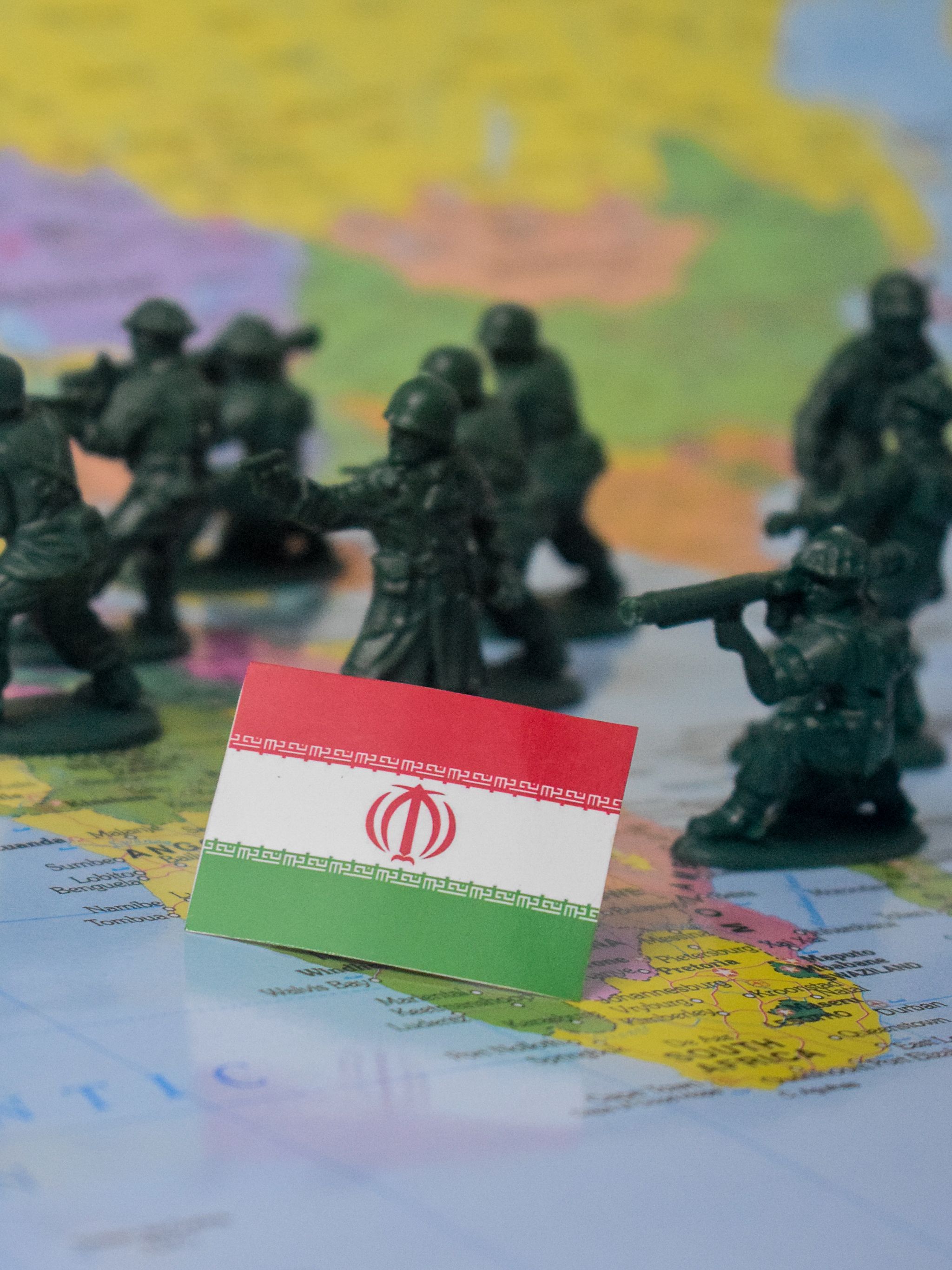
Americans are paying a growing financial price for the ongoing conflict with Iran, as higher energy costs continue to feed through into inflation, household bills and financial markets.
The latest US inflation figures show that consumer prices rose by 0.5 percentage points in May, taking the annual inflation rate to 4.2%. This was the highest reading since April 2023 and marked the third monthly increase in a row. Much of the rise has been driven by higher fuel costs, which are now being passed on to drivers, airline passengers and businesses.
The conflict, which began with US-Israeli strikes on Iran on 28 February, has disrupted energy markets and raised fears over global oil and gas supply. Although the United States is the world’s largest oil producer, it has not escaped the economic impact of higher prices.
The main pressure points include:
One of the biggest risks remains the Strait of Hormuz, a vital shipping route for oil and natural gas. Around one-fifth of global energy supplies usually pass through the strait, meaning any extended disruption can have a major impact on prices worldwide.
Markets are also becoming more cautious. Investors are worried that prolonged conflict could keep oil prices elevated and force central banks to keep interest rates higher for longer. Higher borrowing costs are designed to slow inflation, but they also make mortgages, loans and business investment more expensive.
This creates a difficult environment for households. Recent wage growth has been just above 3%, while inflation is now running at 4.2%. That means many people are seeing their spending power squeezed, as pay increases fail to keep up with rising prices.
The political pressure is also growing. With US mid-term elections moving closer, President Donald Trump faces a more difficult economic backdrop. Financial markets appear to be losing patience with earlier suggestions that Iran was close to a deal to end the war and reopen the strait.
The longer the conflict continues, the greater the risk that oil and gas prices remain high into winter. Forecasts suggest Brent crude could average around $100 a barrel in 2026 if the Strait of Hormuz reopens soon. If disruption lasts until the end of August, average prices could rise further.
Europe may face an even greater economic hit. Unlike the US, many European countries rely heavily on imported energy. That leaves the UK and wider Europe more exposed to global supply shortages and price spikes.
Conclusion
The Iran war is no longer just a geopolitical issue. It is now feeding directly into inflation, household costs, investor confidence and interest rate expectations. Americans are already feeling the pressure, but Europe could face an even heavier financial burden if energy disruption continues.
For households, investors and policymakers, the key issue is how long the conflict lasts. The longer it drags on, the harder it becomes to control inflation and support economic growth.
Sources: (SKYMoney.com, Reuters.com)

Tradable assets:
Min.Deposit:
Max Leverage:
FCA:

Rating:
 Earnings Calendar
  Economic Calendar
  VAT Calculator
  Tax Free Childcare Calculator
 Percentage Calculator
 Compound Interest Calculator
  Loan Overpayment Calculator
 Mortgage Calculator
 Credit Card Calculator
 Investing
  Economics
 Trading
  Technical Analysis
  Personal Finance
 Calculator