Microsoft (MSFT): AI Leadership Supports Long-Term Growth
$396.94
21 Jul 2026, 22:43
Neutral


Join Minipip Academy and access free courses in investing, trading, economics, and more.
Sign Up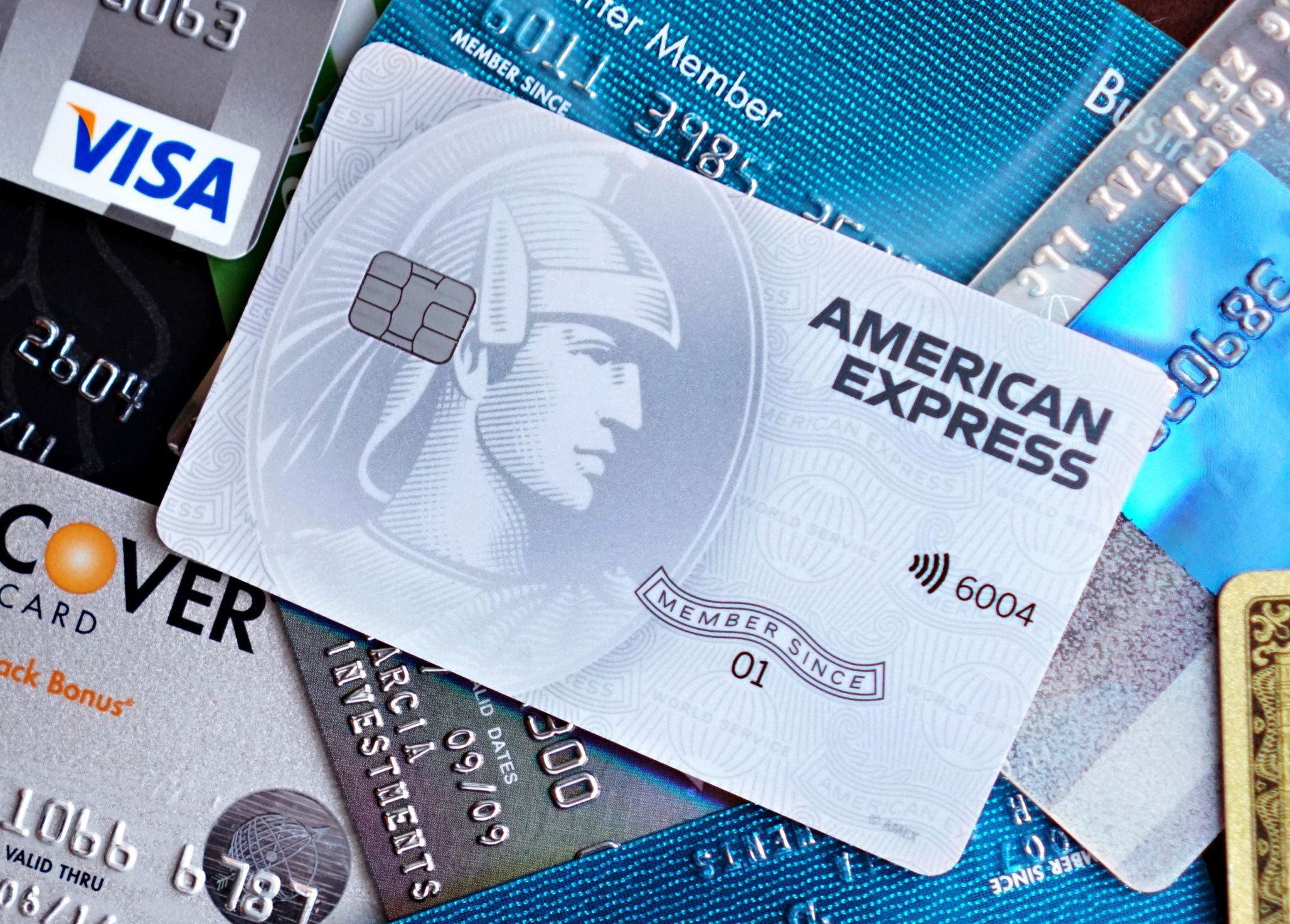
Pexels,com


American Express reported better-than-expected quarterly earnings as affluent customers continued to spend heavily, but the company’s shares declined after management maintained its existing profit outlook.
The financial services group delivered earnings of $4.53 per share, ahead of analysts’ expectations of approximately $4.40. Quarterly revenue rose by 10% to $19.6 billion, supported by higher card spending, increased fees and continued demand from premium customers.
Total spending across American Express cards reportedly reached $455.8 billion during the period. Despite these strong figures, investors appeared disappointed that the company did not raise its profit forecast.
Wealthier Customers Continue to Spend
American Express differs from many other card providers because it focuses heavily on affluent consumers, frequent travellers and corporate customers.
These groups are generally better positioned to continue spending during periods of economic uncertainty. This can make American Express more resilient than lenders whose customers are more exposed to rising living costs or unemployment.
The latest results suggest spending remained strong across areas such as:
Continued growth in these categories may indicate that higher-income consumers remain confident despite elevated interest rates and wider economic uncertainty.
Why Did American Express Shares Fall?
Although earnings and revenue exceeded forecasts, financial markets often react more strongly to future expectations than to past results.
Investors may have hoped that strong quarterly performance would allow American Express to increase its full-year profit guidance. Instead, the company maintained its previous expectations, creating concern that current growth may already be reflected in the share price.
The reaction may also reflect worries about:
Even relatively wealthy borrowers can reduce spending or fall behind on payments if economic conditions deteriorate.
What Could This Mean for Markets and Investments?
American Express is often viewed as both a financial company and an indicator of consumer confidence. Strong card spending may therefore be positive for travel, hospitality and luxury businesses.
Potential implications include:
The results suggest the US consumer economy remains relatively resilient, particularly among higher earners. However, the negative share-price reaction shows that investors are becoming more selective and may no longer reward companies simply for beating quarterly estimates.
For long-term investors, American Express continues to benefit from a strong brand, loyal customers and valuable payment data. For short-term speculators, future price movements may depend on whether spending remains strong and whether management eventually raises its earnings guidance.
Sources: (AP News, Reuters, Investing.com)

Tradable assets:
Min.Deposit:
Max Leverage:
FCA:

Rating:
 Earnings Calendar
  Economic Calendar
  VAT Calculator
  Tax Free Childcare Calculator
 Percentage Calculator
 Compound Interest Calculator
  Loan Overpayment Calculator
 Mortgage Calculator
 Credit Card Calculator
 Investing
  Economics
 Trading
  Technical Analysis
  Personal Finance
 Calculator