Analysis
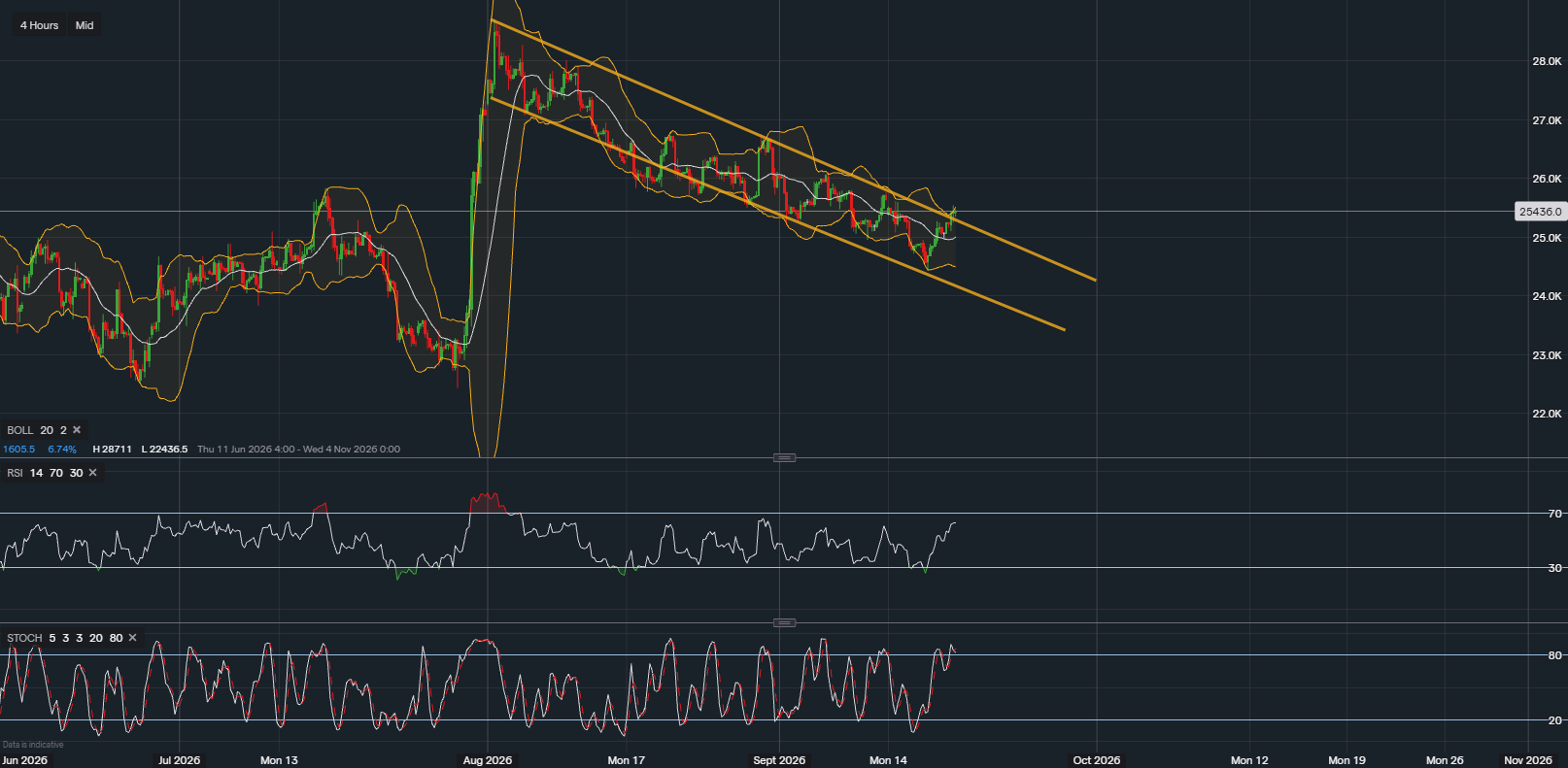
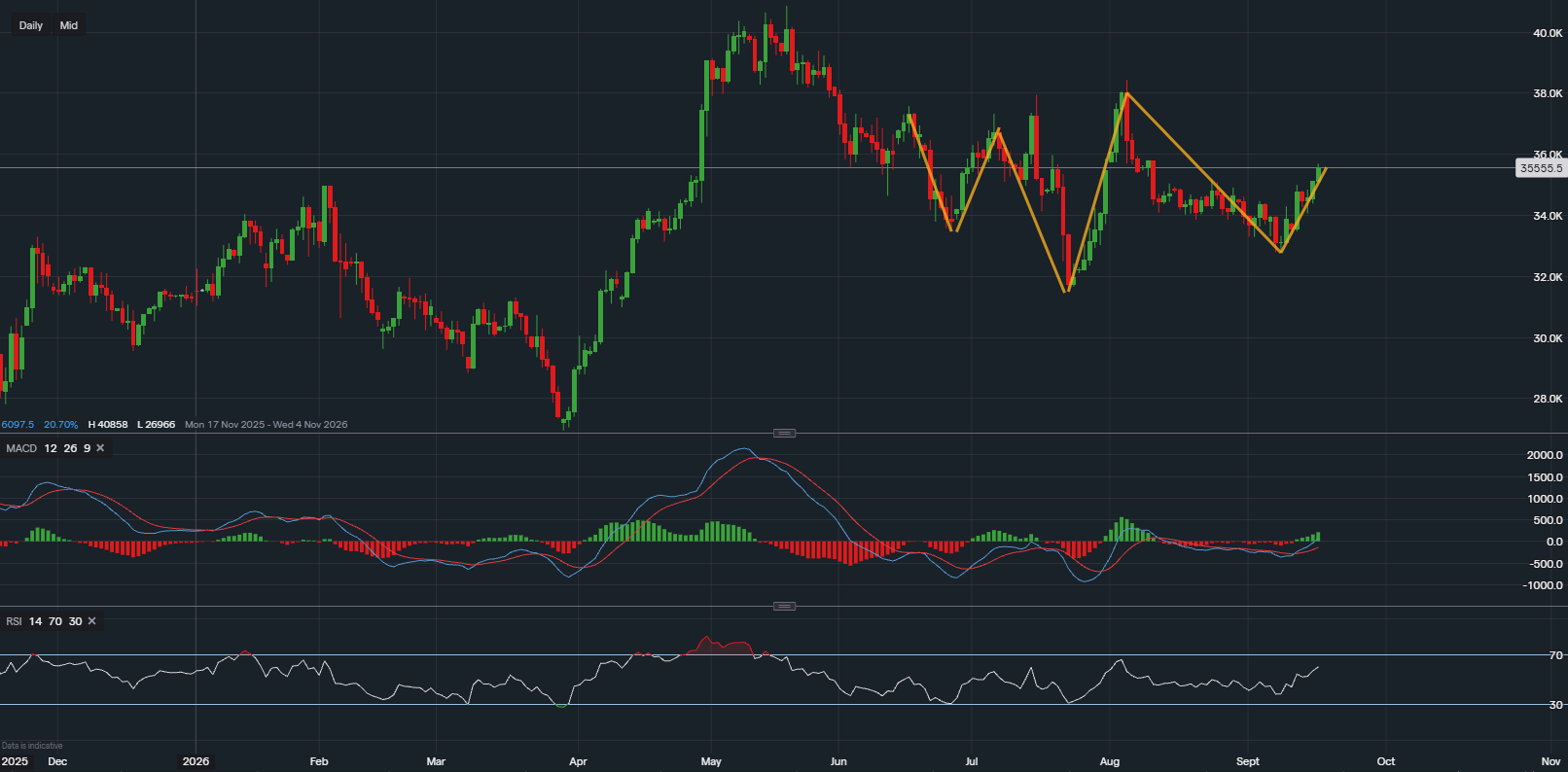
Amazon Stock Analysis: Can the Bullish Reversal Continue?
$254.36
19 Sep 2026, 12:29
Bullish


Join Minipip Academy and access free courses in investing, trading, economics, and more.
Sign Up
Pexels.com


Investors are beginning to question whether the world’s largest technology companies are spending too much money on artificial intelligence infrastructure.
The technology-heavy Nasdaq fell 0.64% on Friday as investors reduced exposure to semiconductor and technology shares. The S&P 500 technology sector also declined by 0.88%, with chipmakers among the weakest performers.
The sell-off followed Alphabet’s quarterly results, which intensified concerns that the cost of building data centres, purchasing advanced chips and developing AI services may be rising faster than the profits generated by them.
Alphabet Results Change the Market’s Focus
Alphabet reported strong growth across areas including Google Cloud, but investors focused heavily on its increasing capital expenditure and weaker cash generation.
The concern is no longer whether demand for AI exists. Instead, markets want evidence that billions of dollars being invested in infrastructure can translate into higher margins, stronger profits and sustainable free cash flow.
Analysts expect Alphabet and Amazon to consume cash during 2026, while Meta’s free cash flow is forecast to fall sharply. Microsoft’s expected cash generation could also be less than half the level achieved during its previous financial year.
This means investors may now judge Big Tech earnings using a tougher set of measures:
AI Investment Could Outpace Cash Generation
A Reuters analysis of LSEG forecasts suggests that investment by Microsoft, Alphabet, Amazon, Meta and Oracle could grow more quickly than their combined free cash flow by 2027.
Capital expenditure is projected to increase by approximately $534 billion, compared with an estimated $340 billion rise in operating cash flow. That would represent around $1.57 of additional investment for every $1 of additional operating cash generated.
The figures do not necessarily mean the AI strategy will fail. Data-centre capacity remains in strong demand, while cloud providers are already producing revenue from AI services.
However, the scale of investment raises the financial risk. New infrastructure must remain well used for many years to justify its construction cost.
Microsoft, Meta and Amazon Face a Higher Bar
Microsoft, Meta and Amazon are due to report quarterly results this week, placing their spending plans under close scrutiny. Apple will also report, although its AI investment approach has generally been less dependent on building the same scale of cloud infrastructure.
Strong sales growth alone may no longer be enough to impress the market. Investors are likely to want evidence that:
The recent withdrawal of $7.34 billion from US equity funds suggests investors were already becoming more cautious ahead of these reports. Growth-focused funds recorded particularly heavy outflows as concerns about AI costs and cash consumption increased.
What Could This Mean for Markets and Investments?
An earnings beat combined with controlled spending could restore confidence in technology shares. It may also support semiconductor companies, data-centre operators and suppliers of networking and power equipment.
However, higher expenditure forecasts or deteriorating free cash flow could extend the technology-sector pullback.
For investors, the market may increasingly separate companies successfully earning money from AI from those mainly spending money to compete. Infrastructure businesses receiving recurring income could prove more defensive than technology companies funding the construction themselves.
The long-term AI opportunity remains significant, but Big Tech must now demonstrate that investment can become profit. Until that happens, earnings announcements are likely to produce sharp movements across technology shares and the wider Nasdaq.
Sources: (Reuters.com)

Tradable assets:
Min.Deposit:
Max Leverage:
FCA:

Rating:
 Earnings Calendar
  Economic Calendar
  VAT Calculator
  Tax Free Childcare Calculator
 Percentage Calculator
 Compound Interest Calculator
  Loan Overpayment Calculator
 Mortgage Calculator
 Credit Card Calculator
 Investing
  Economics
 Trading
  Technical Analysis
  Personal Finance
 Calculator