Analysis
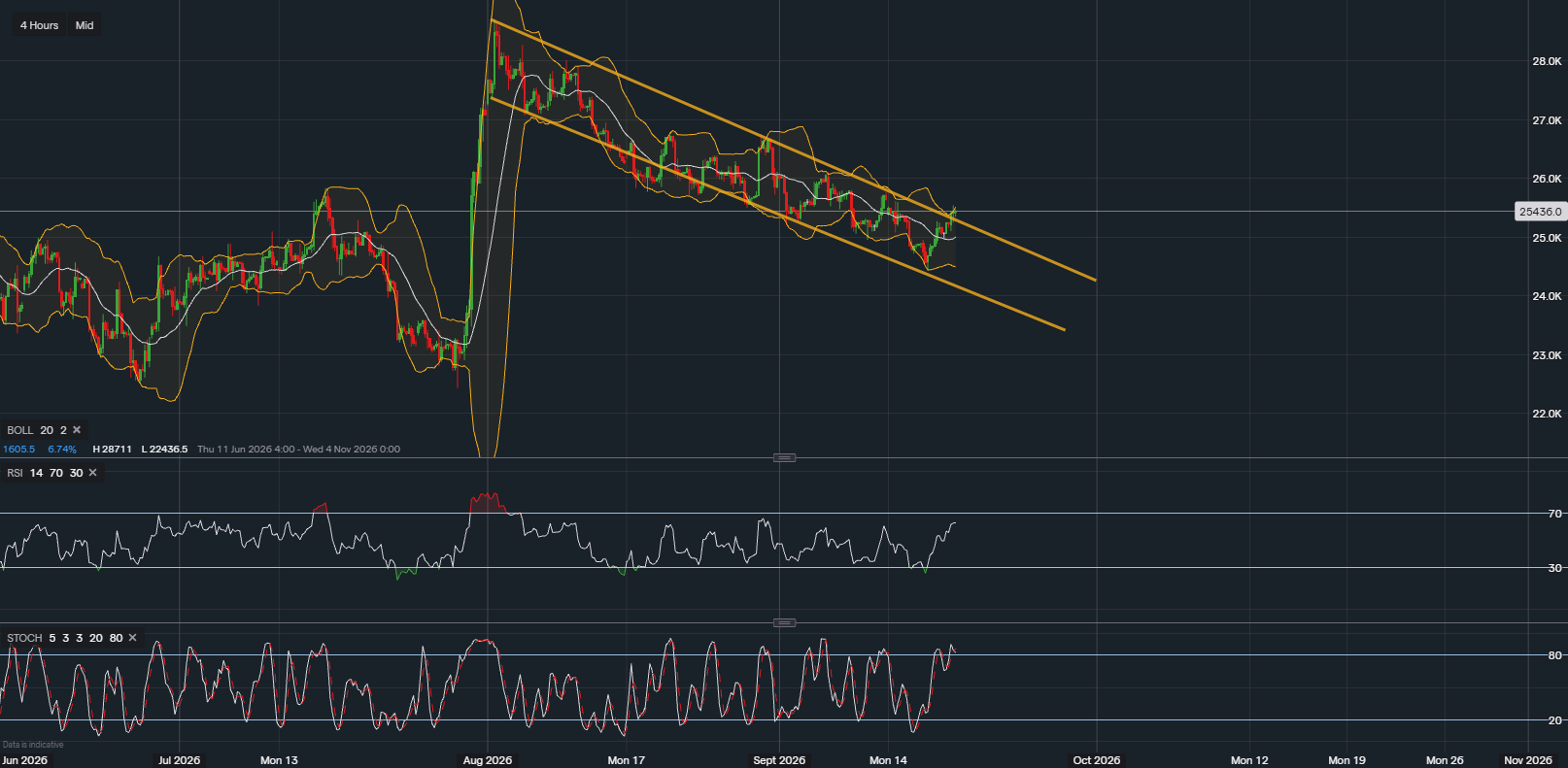
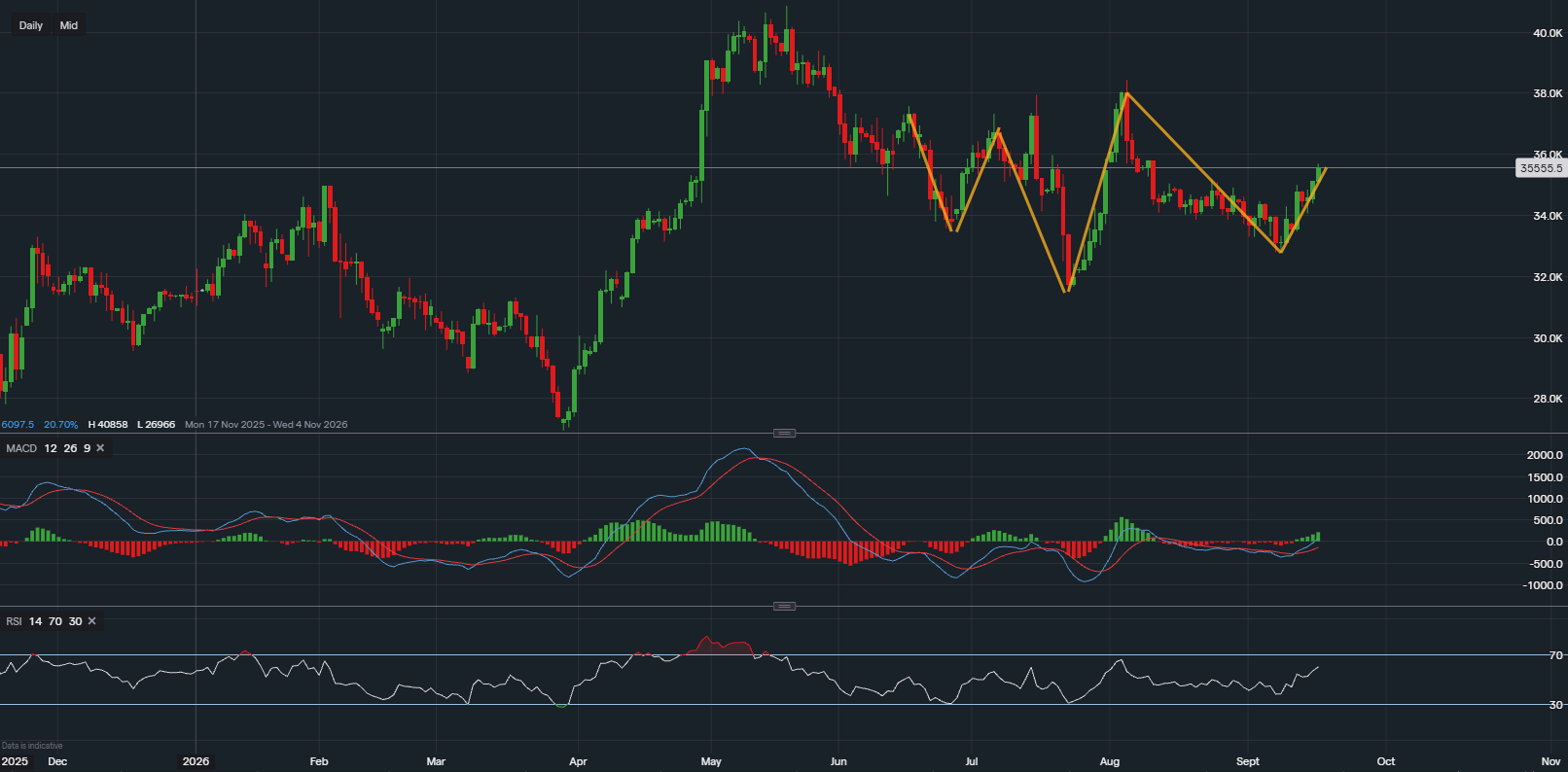
Amazon Stock Analysis: Can the Bullish Reversal Continue?
$254.36
19 Sep 2026, 12:29
Bullish


Join Minipip Academy and access free courses in investing, trading, economics, and more.
Sign Up
AI


Global semiconductor shares have suffered a sharp sell-off as concerns about artificial intelligence investment, expensive valuations and growing Chinese competition unsettled investors.
South Korea’s KOSPI recorded its steepest decline in five months, falling 10.84%. Samsung Electronics dropped 14.4%, while SK Hynix fell 14.7%. The two chipmakers account for more than half of the index’s weighting, magnifying the impact on the wider South Korean market.
The decline followed renewed weakness in US technology shares, including Nvidia, and reports that China is making faster progress towards semiconductor self-sufficiency.
Why Are Semiconductor Stocks Falling?
Chipmakers have been among the largest beneficiaries of the AI investment boom. Demand for processors, memory chips and data-centre equipment has pushed valuations sharply higher.
However, investors are now reassessing several risks:
SK Hynix’s US-listed shares also closed below their recent $149 listing price, demonstrating how quickly sentiment has changed towards one of the leading suppliers of high-bandwidth memory used in AI systems.
What Could This Mean for Markets and Investments?
The sell-off may pressure the wider Nasdaq because semiconductor companies represent a large part of the technology sector’s recent growth.
If earnings from Nvidia, SK Hynix and other major suppliers show continued strong demand, the decline could eventually attract long-term investors. However, weaker orders or higher capital expenditure could reinforce concerns that AI valuations had moved too far ahead of fundamentals.
Potential beneficiaries could include:
For short-term speculators, semiconductor shares may remain highly volatile. Large daily movements can create opportunities but also increase the risk of rapid losses.
The long-term demand for AI computing remains significant, but the market appears to be moving from rewarding every company connected to AI towards distinguishing between genuine earnings growth and speculative expectations.
Sources: (Reuters.com, Investing.com)

Tradable assets:
Min.Deposit:
Max Leverage:
FCA:

Rating:
 Earnings Calendar
  Economic Calendar
  VAT Calculator
  Tax Free Childcare Calculator
 Percentage Calculator
 Compound Interest Calculator
  Loan Overpayment Calculator
 Mortgage Calculator
 Credit Card Calculator
 Investing
  Economics
 Trading
  Technical Analysis
  Personal Finance
 Calculator