Analysis
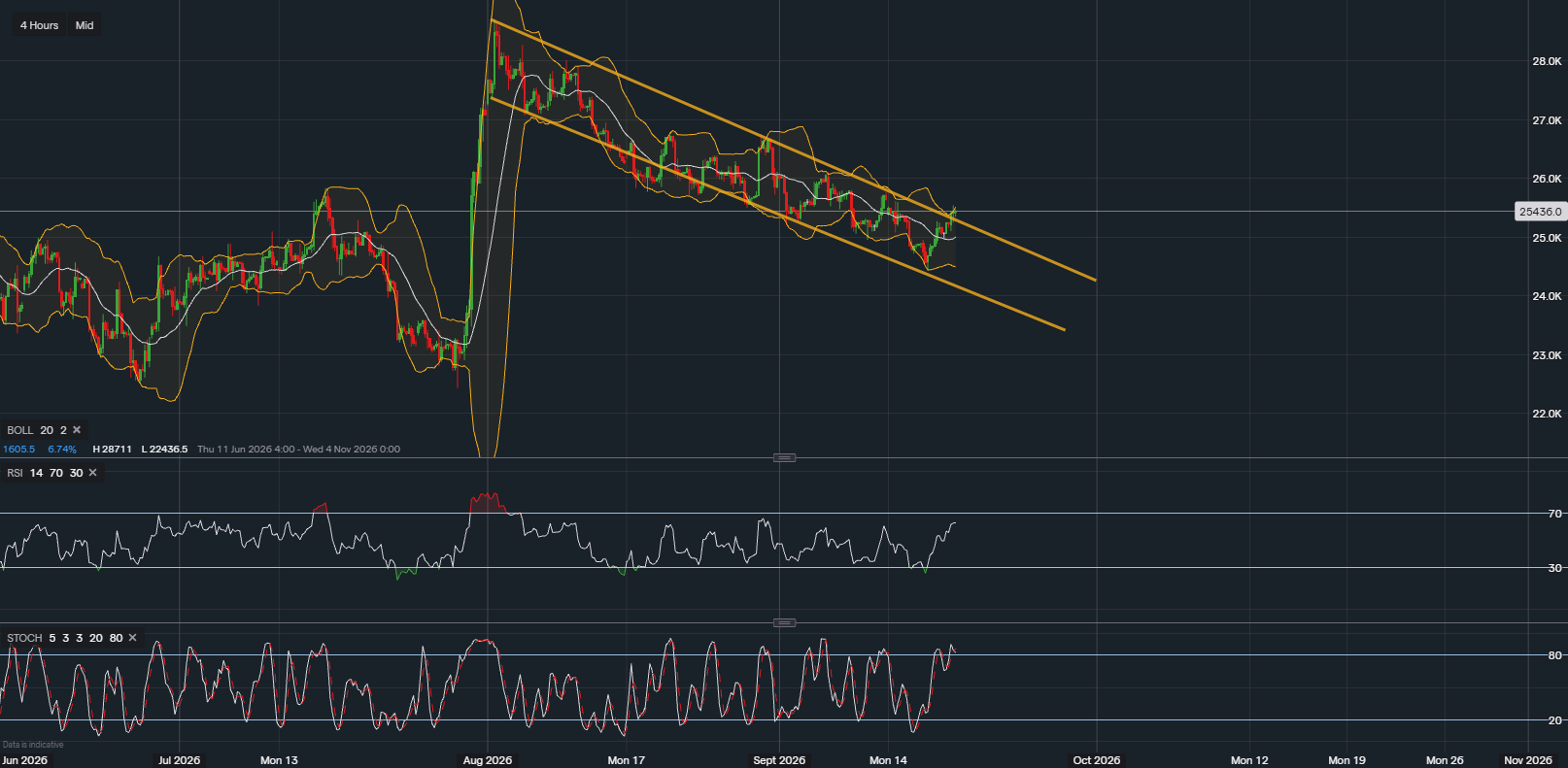
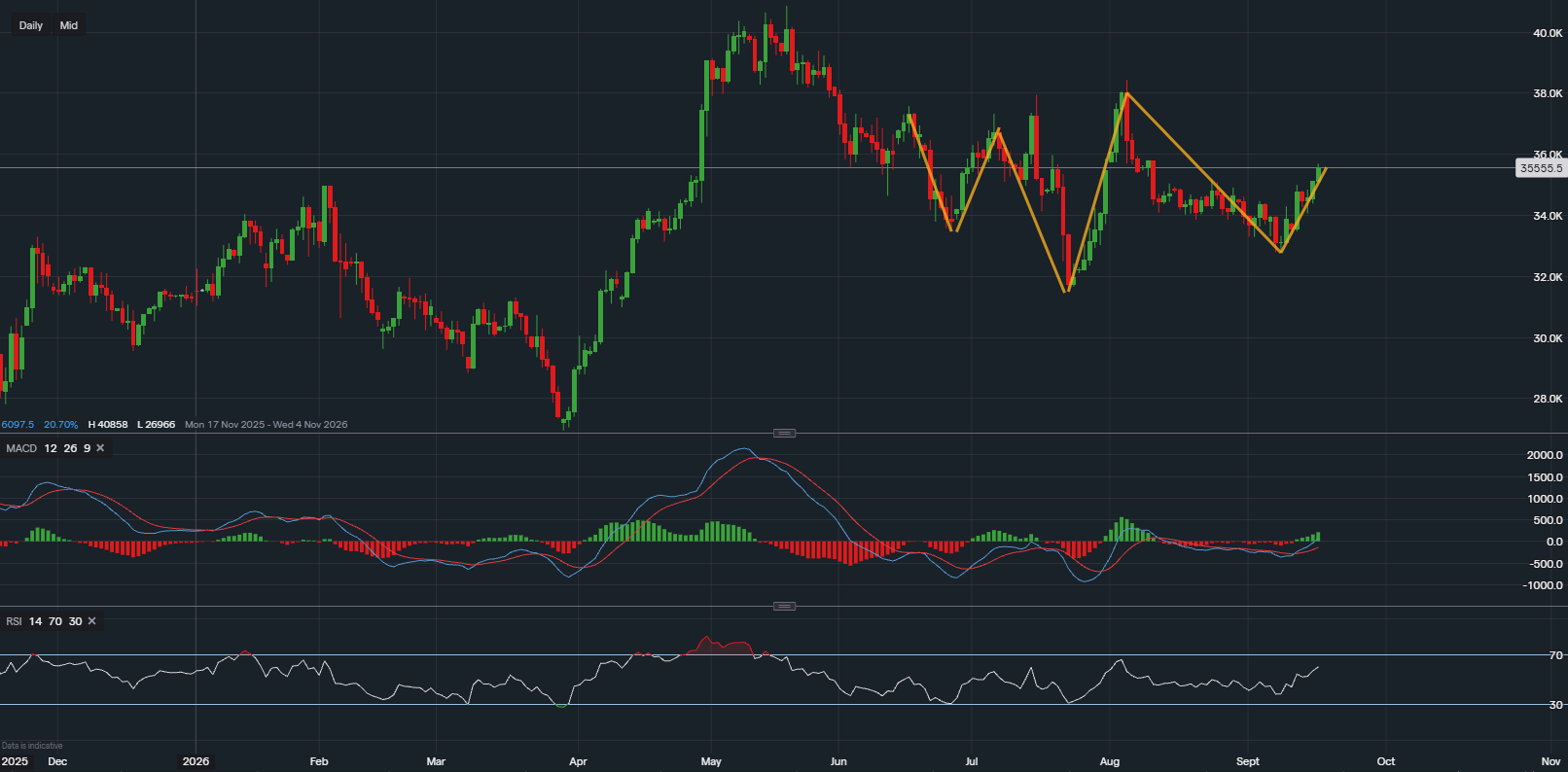
Amazon Stock Analysis: Can the Bullish Reversal Continue?
$254.36
19 Sep 2026, 12:29
Bullish


Join Minipip Academy and access free courses in investing, trading, economics, and more.
Sign Up
AI


Shein has reportedly moved into a quarterly loss as new import charges and changes to international trade rules place growing pressure on its low-cost business model.
The online fashion retailer recorded a loss of approximately $99 million for the quarter, compared with a profit of around $395 million during the same period a year earlier. The sharp deterioration comes as the company prepares for a possible initial public offering in Hong Kong.
For investors, the results raise questions about whether Shein can maintain its rapid growth while dealing with higher tariffs, greater regulatory scrutiny and rising supply-chain costs.
Import Rules Put Shein’s Model Under Pressure
Shein built its global success by shipping inexpensive clothing directly to consumers from overseas suppliers. This model allowed the company to offer low prices while avoiding many of the costs faced by traditional retailers.
However, changes to customs rules are making that approach more difficult.
The removal of the US exemption for low-value parcels has increased the cost of delivering individual orders to American customers. New European import charges could create further pressure across one of Shein’s most important markets.
The company may now have to choose between:
Each option carries risks. Higher prices could weaken demand, while absorbing the costs could make it harder for Shein to return to profitability.
Hong Kong IPO Could Face Greater Scrutiny
The quarterly loss may also affect the valuation investors are prepared to place on Shein ahead of a potential Hong Kong listing.
Fast-growing businesses are often valued on their ability to expand revenue and generate strong future profits. However, investors may become more cautious when losses emerge alongside regulatory and political uncertainty.
Shein must also contend with criticism surrounding its environmental impact, labour practices and highly responsive production model. These concerns could influence institutional investors, particularly those required to follow environmental, social and governance policies.
What Could This Mean for Markets and Investments?
Shein’s results highlight the wider risks facing international retailers that depend on cheap cross-border shipping.
Possible market consequences include:
Traditional retailers could benefit if Shein loses some of its pricing advantage. However, companies with similarly complex international supply chains may face the same tariff pressures.
For investors, Shein remains a potentially powerful global brand, but its future valuation may depend less on headline sales growth and more on whether it can protect margins under tougher trading conditions.
A successful listing could still attract considerable interest. Nevertheless, further losses or additional tariffs could make investors demand a lower valuation and clearer evidence that the business can generate sustainable profits.
This is a personal market view and not financial advice. Always conduct your own research before investing.
Sources: (Reuters.com, Wall Street Journal)

Tradable assets:
Min.Deposit:
Max Leverage:
FCA:

Rating:
 Earnings Calendar
  Economic Calendar
  VAT Calculator
  Tax Free Childcare Calculator
 Percentage Calculator
 Compound Interest Calculator
  Loan Overpayment Calculator
 Mortgage Calculator
 Credit Card Calculator
 Investing
  Economics
 Trading
  Technical Analysis
  Personal Finance
 Calculator