News
US Inflation Meets Expectations as Major Stock Indices Rise
13 Sep 2026, 09:56


Join Minipip Academy and access free courses in investing, trading, economics, and more.
Sign Up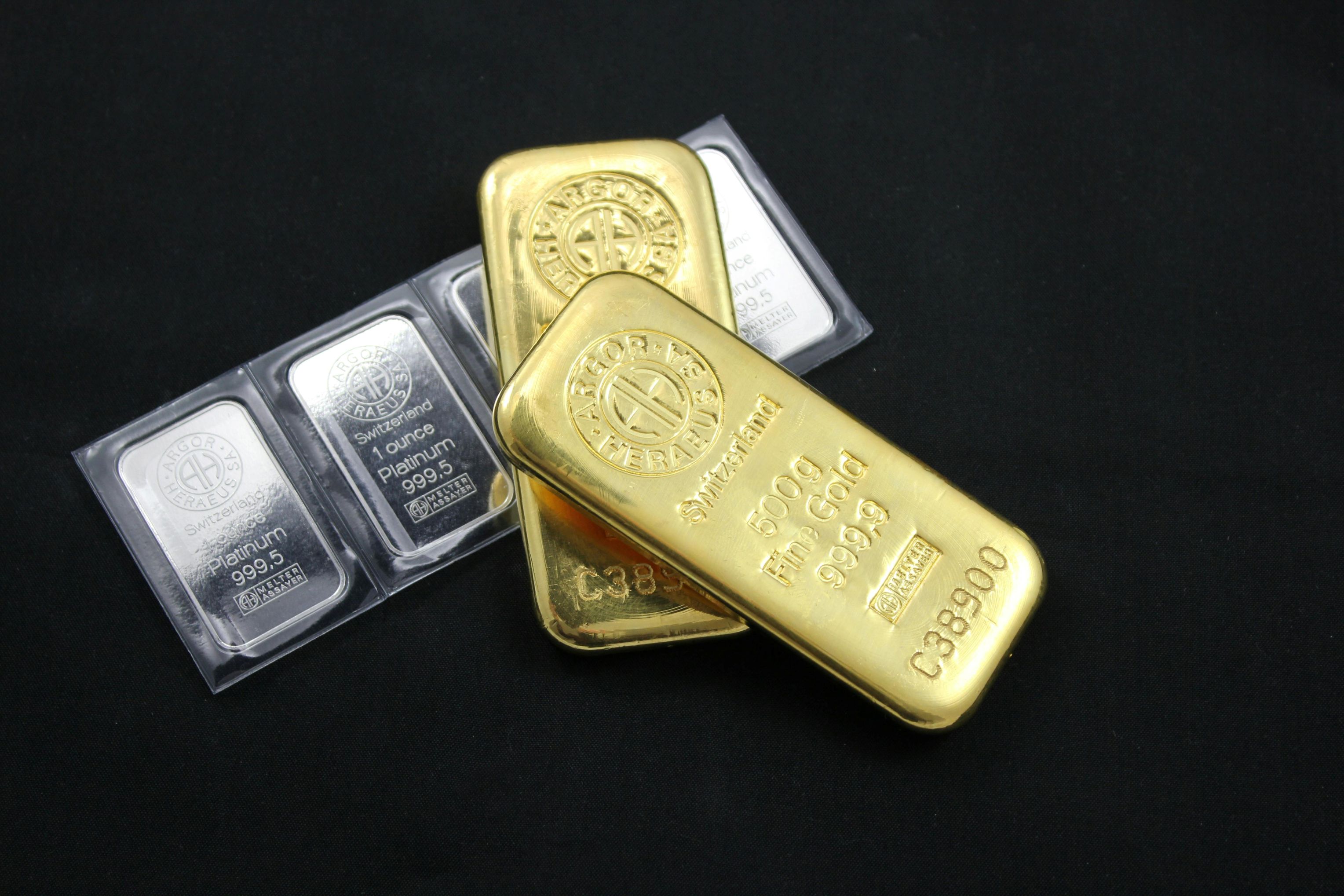
Pexels.com


Investors weigh safe-haven demand against higher US interest rate expectations.
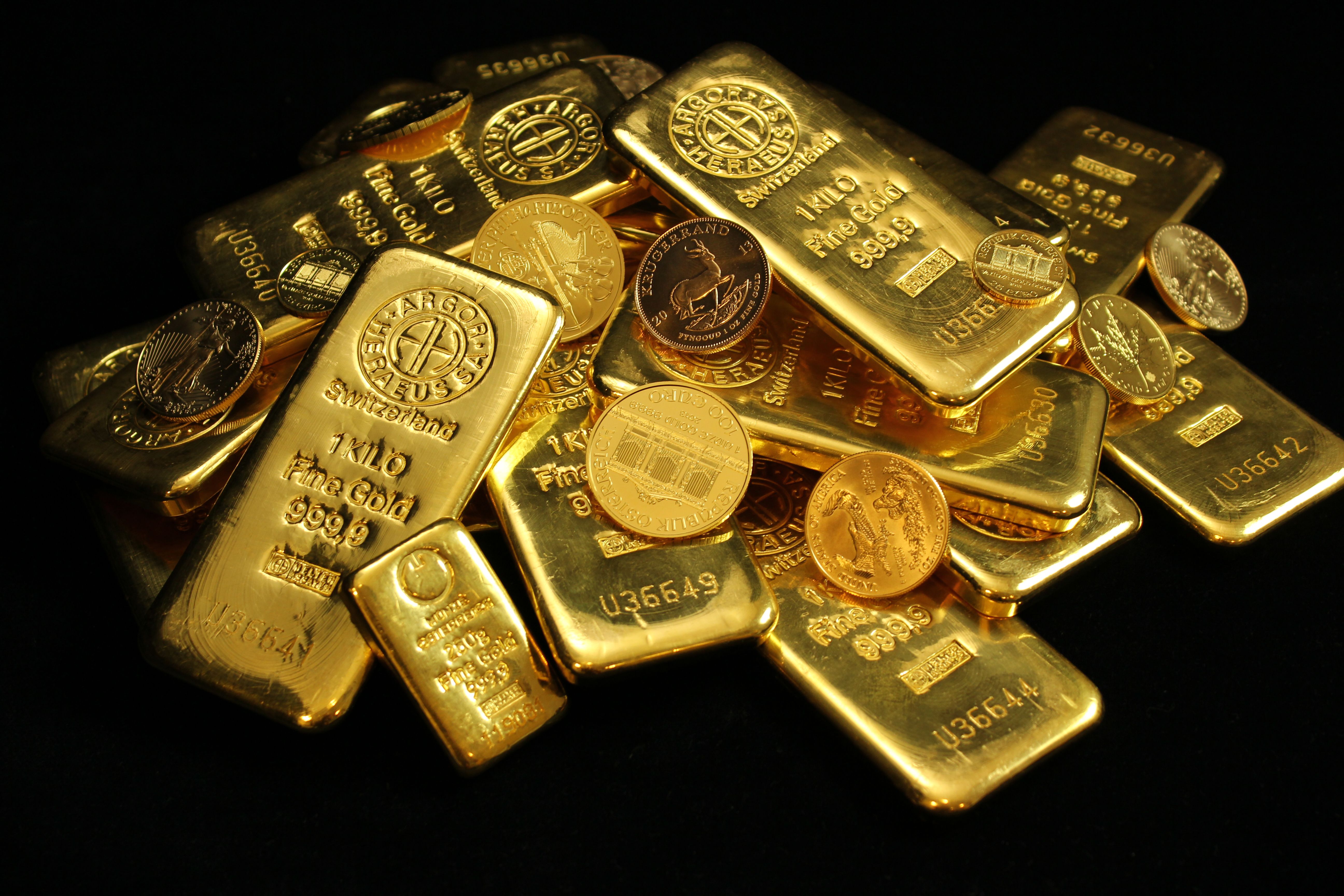
Gold prices moved higher on Thursday after briefly falling to their lowest level in more than six months, as investors reacted to rising tensions in the Middle East and growing concern over the future path of US interest rates.
Spot gold rose 0.6% to $4,093.35 per ounce after earlier dropping to $4,023.96 per ounce, its weakest level since late November. US gold futures, however, slipped 0.5% to $4,114.25 per ounce, reflecting caution around the outlook for Federal Reserve policy.
The move came after gold fell more than 4% in the previous session, showing how volatile precious metals have become in response to inflation, bond yields and geopolitical risk.
The latest pressure has come from two competing forces:
The United States launched fresh strikes on Iran overnight, escalating a conflict that has already unsettled global markets and pushed oil prices higher. Iran responded by targeting US military airbases in Kuwait and Bahrain, while also declaring a halt to vessel traffic through the Strait of Hormuz.
This is significant because the Strait of Hormuz is one of the world’s most important energy shipping routes. Any prolonged disruption could push oil and gas prices higher, adding further pressure to inflation.
US inflation data has already added to market uncertainty. Consumer prices rose 4.2% in May compared with a year earlier, driven largely by higher energy costs. This has increased expectations that the Federal Reserve may keep interest rates higher for longer, or even consider another rate rise later this year if inflation remains persistent.
For gold, this creates a complicated backdrop. In normal market conditions, geopolitical risk often supports gold prices. However, when interest rates rise, investors may prefer assets that offer income, such as bonds or cash deposits. This can limit gold’s upside, even during periods of uncertainty.
Other precious metals also gained ground. Silver rose 1% to $64.01 per ounce, while platinum increased 0.7% to $1,677.60 per ounce. Copper prices were mixed, with benchmark London Metal Exchange copper futures falling while US copper futures edged higher.
Conclusion
Gold remains caught between safe-haven demand and interest rate pressure. Rising Iran tensions could continue to support prices, especially if energy markets remain disrupted. However, higher US rates and a strong dollar may limit further gains.
For investors, gold may still play a useful role as a defensive asset, but short-term price movements are likely to remain volatile. The next key signals will come from US inflation data, Federal Reserve guidance and developments in the Middle East.
Sources: (Investing.com)

Tradable assets:
Min.Deposit:
Max Leverage:
FCA:

Rating:
 Earnings Calendar
  Economic Calendar
  VAT Calculator
  Tax Free Childcare Calculator
 Percentage Calculator
 Compound Interest Calculator
  Loan Overpayment Calculator
 Mortgage Calculator
 Credit Card Calculator
 Investing
  Economics
 Trading
  Technical Analysis
  Personal Finance
 Calculator