Analysis
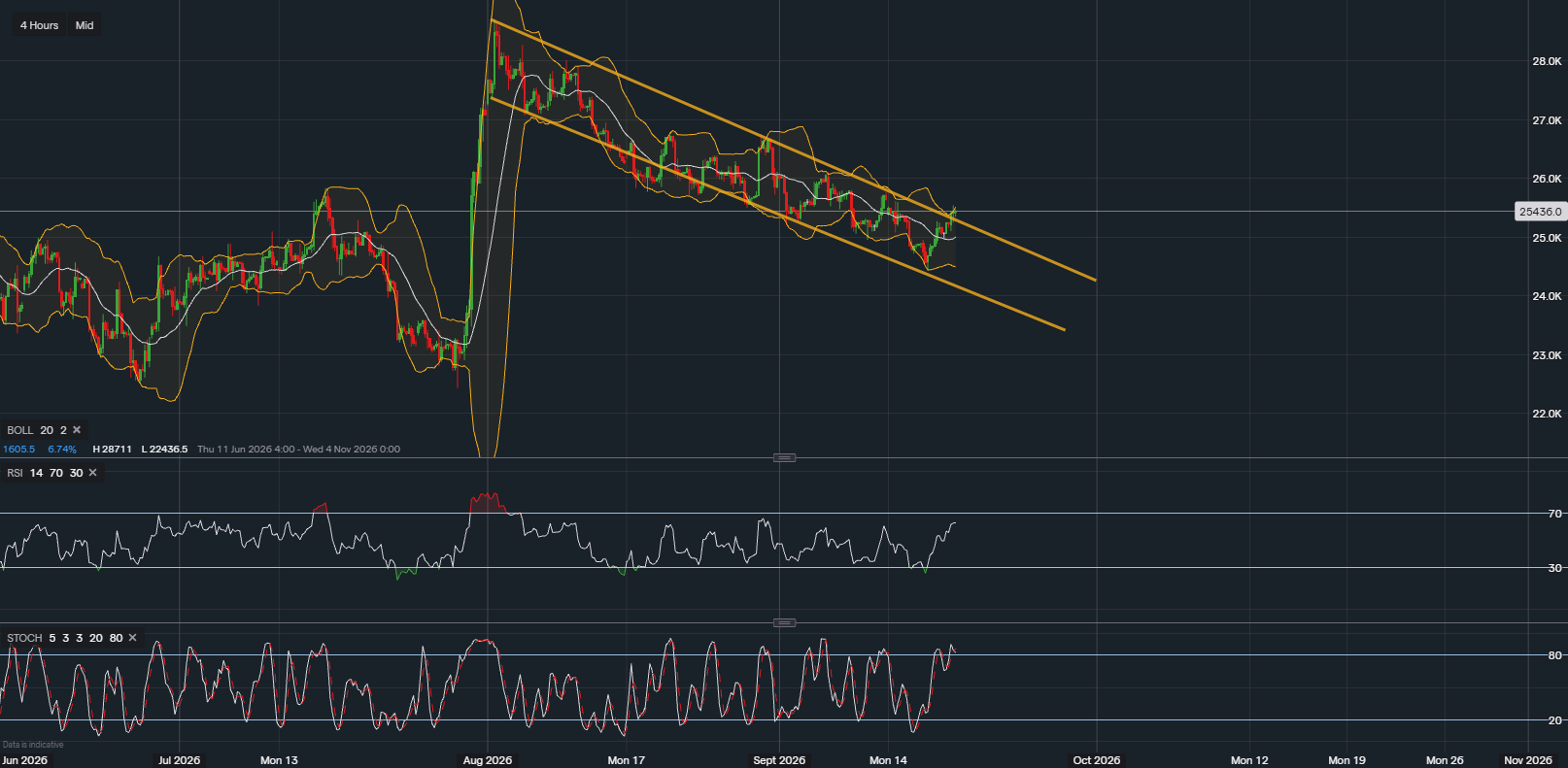
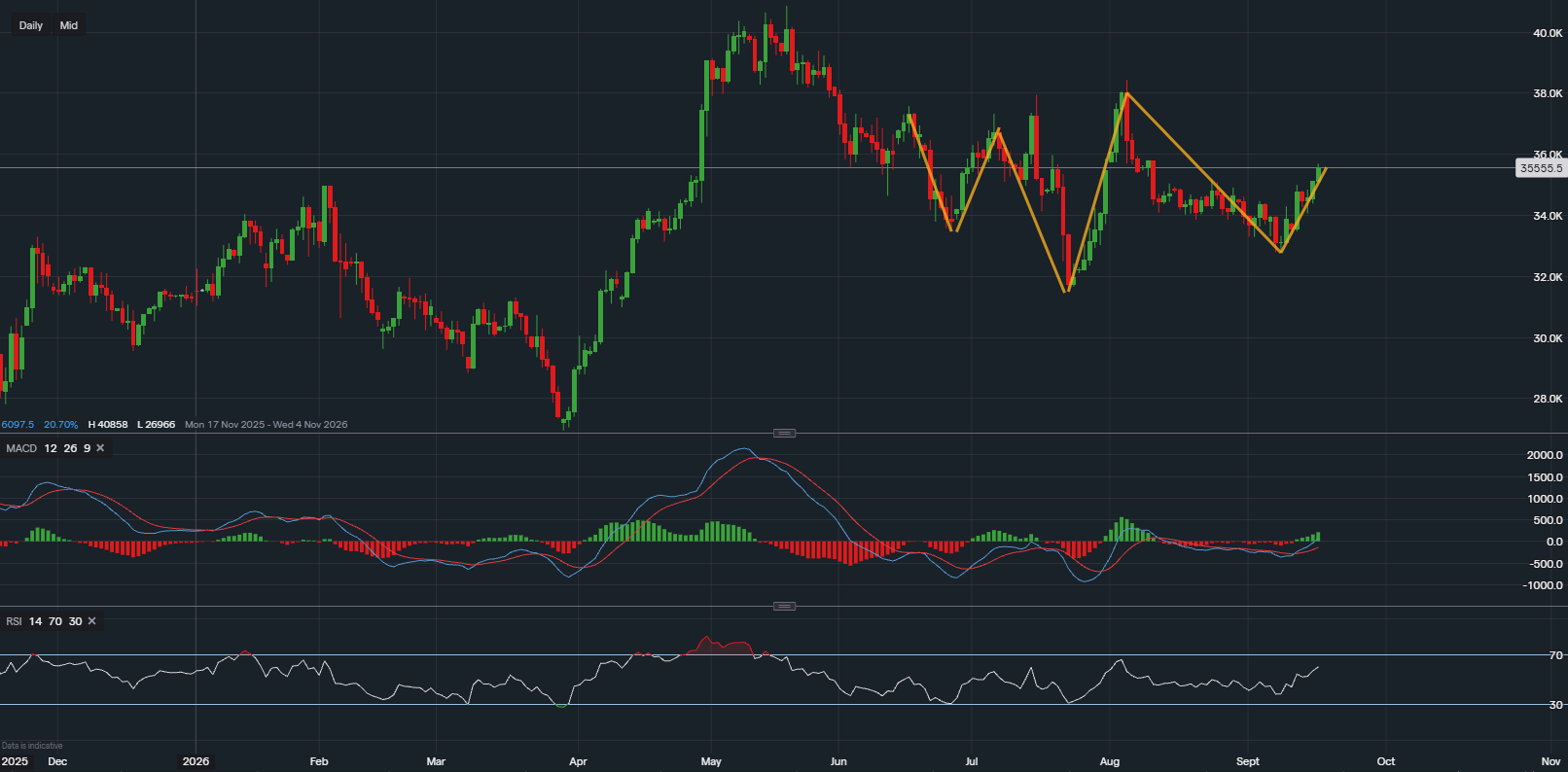
Amazon Stock Analysis: Can the Bullish Reversal Continue?
$254.36
19 Sep 2026, 12:29
Bullish


Join Minipip Academy and access free courses in investing, trading, economics, and more.
Sign Up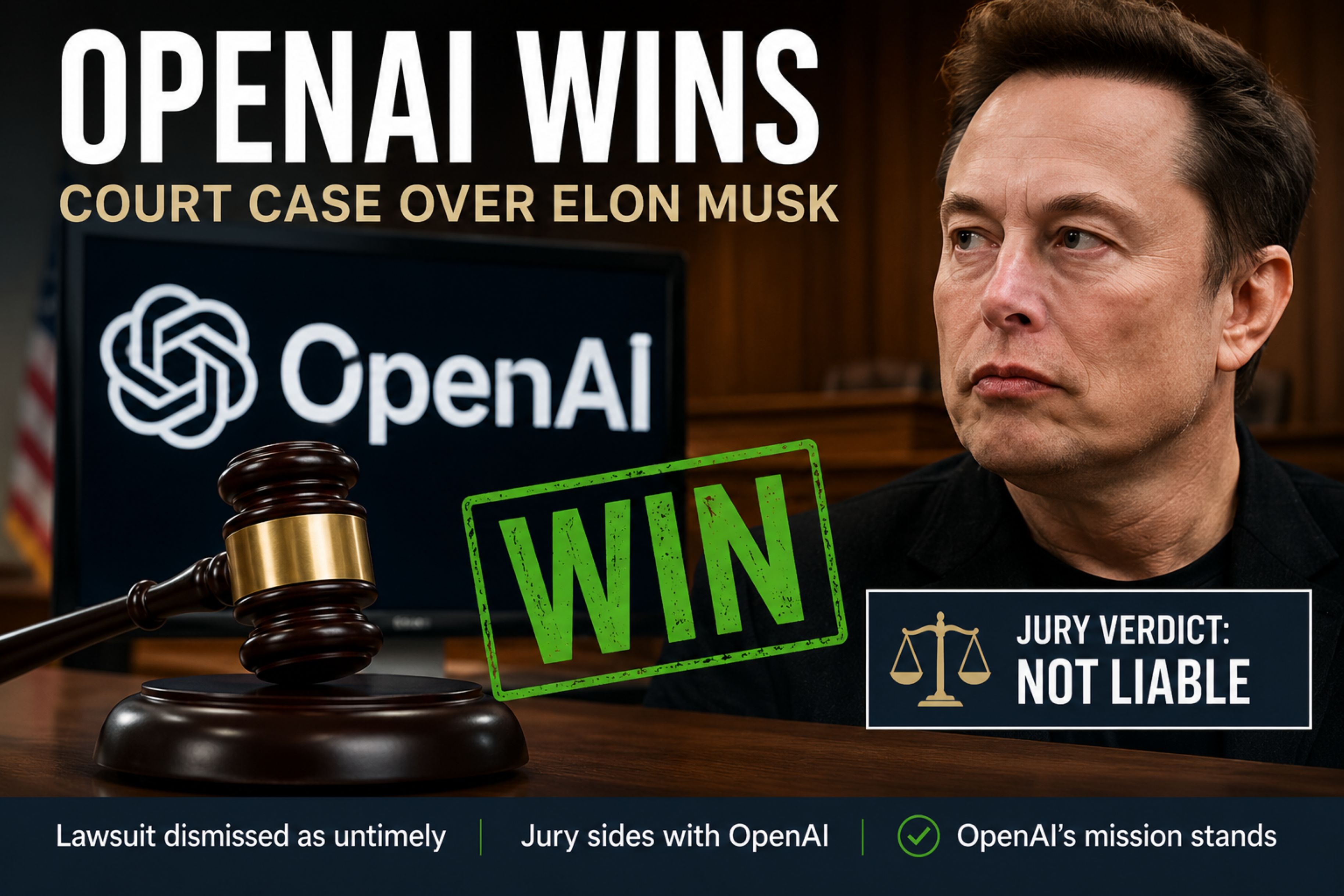
AI


Court Verdict Boosts OpenAI Stability While Investors Focus on Microsoft and Artificial Intelligence Growth
Elon Musk has lost his high-profile lawsuit against OpenAI and chief executive Sam Altman after a US jury ruled in favour of the artificial intelligence company. The case has become one of the most closely watched legal battles in the AI industry, raising questions about the future direction of artificial intelligence and the growing commercialisation of the sector.
The federal court jury in California found that Musk’s claims against OpenAI were filed too late, siding with the ChatGPT creator after less than two hours of deliberation.
Musk originally accused OpenAI of abandoning its founding mission to develop artificial intelligence for the benefit of humanity rather than profit. He also claimed the company misled him into contributing approximately $38 million before transitioning towards a for-profit structure backed by major investors including Microsoft.
OpenAI rejected those allegations and argued that Musk himself had commercial ambitions linked to artificial intelligence development.
The case highlighted growing tensions between major technology leaders competing for dominance in the AI market, which is expected to become one of the world’s most valuable industries over the next decade.
Key issues raised during the trial included:
Did the Verdict Affect Stock Prices?
The ruling had limited direct impact on broader stock markets, but investors continued focusing heavily on AI-related companies linked to OpenAI.
Microsoft, OpenAI’s largest commercial partner and investor, remained closely watched by traders as the company continues integrating AI into products including:
While Microsoft shares experienced normal market fluctuations following the verdict, analysts generally viewed the outcome as positive for OpenAI’s business stability and long-term partnership with Microsoft.
Technology investors continue seeing AI as one of the strongest long-term growth themes in global markets, with companies such as Microsoft, Nvidia, Alphabet and Amazon investing billions into AI infrastructure and computing power.
Additional developments increasing investor interest in AI include:
OpenAI’s valuation has also risen sharply in recent years, with private market estimates placing the company among the most valuable AI firms globally.
Meanwhile, Musk has continued developing his own artificial intelligence company, xAI, which competes directly with OpenAI in the race to build advanced AI systems.
Conclusion for Investors
For investors, the lawsuit outcome removes some uncertainty surrounding OpenAI’s corporate structure and its relationship with Microsoft. The verdict may strengthen confidence in companies heavily involved in artificial intelligence infrastructure and software development.
However, the case also highlights increasing regulatory, legal and ethical risks facing the AI sector as competition intensifies between major technology firms.
Investors should continue monitoring AI-related stocks closely, particularly companies benefiting from cloud computing, semiconductor demand and enterprise AI adoption. While artificial intelligence remains one of the market’s fastest-growing sectors, valuations across the industry are becoming increasingly sensitive to regulation, legal disputes and competitive pressures.
Sources: (SKYMoney.com, Investing.com)

Tradable assets:
Min.Deposit:
Max Leverage:
FCA:

Rating:
 Earnings Calendar
  Economic Calendar
  VAT Calculator
  Tax Free Childcare Calculator
 Percentage Calculator
 Compound Interest Calculator
  Loan Overpayment Calculator
 Mortgage Calculator
 Credit Card Calculator
 Investing
  Economics
 Trading
  Technical Analysis
  Personal Finance
 Calculator