Analysis
Accenture Tests Key Resistance as Earnings Loom
$197
15 Sep 2026, 18:47
Neutral


Join Minipip Academy and access free courses in investing, trading, economics, and more.
Sign Up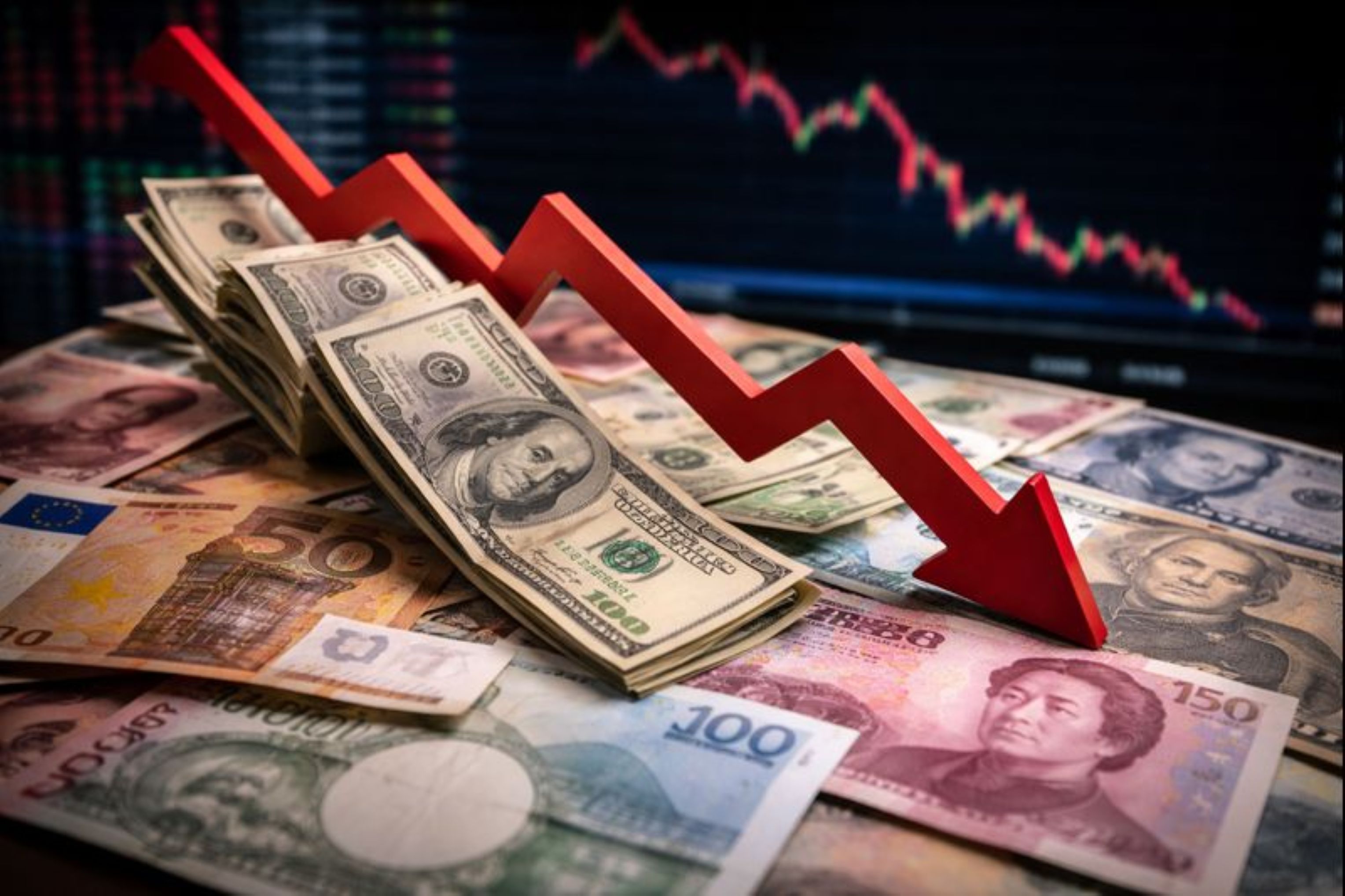
AI


Why the falling dollar matters for markets, Britain and global investors
The US dollar has entered a sustained decline, raising concerns across global markets and creating both opportunities and risks for investors, businesses and households. Analysts warn that confidence in the world’s reserve currency has been badly shaken, with political uncertainty and policy concerns driving what some describe as a “sell America” trade.
The Dollar’s Steep Decline Explained
The value of the US dollar has been falling steadily since last year. Against a basket of major currencies, including sterling, the dollar dropped 9% in 2025 and has fallen by a further more than 2% so far in January.
Sterling has climbed to its highest level against the dollar since July 2021, moving above $1.38. This shift reflects broad-based dollar weakness rather than renewed strength in the pound.
Trump’s Policies Weigh on Confidence
Much of the pressure on the dollar is being linked to the return of Donald Trump to the White House. Markets have reacted negatively to renewed trade tensions, unpredictable tariff threats and confrontational foreign policy.
Investors have also been unsettled by US military actions in Iran and Venezuela, as well as recent disputes with NATO allies over Greenland. Although some tariff threats have since been withdrawn, the damage to confidence appears to have lingered.
Fears Over Central Bank Independence
Another major factor has been concern over the independence of the Federal Reserve. Political pressure on monetary policy, combined with a criminal investigation involving the Fed’s chair, has added to uncertainty around the future direction of interest rates.
At the same time, rising public spending has raised questions about whether the US can avoid another government shutdown, reinforcing worries about fiscal discipline and long-term debt sustainability.
Japan’s Role in the Currency Shake-Up
The dollar’s weakness has been compounded by developments in Japan. The yen has slumped to multi-decade lows due to ultra-low interest rates set by the Bank of Japan.
Speculation about coordinated intervention by US and Japanese authorities to stabilise the yen has added volatility to currency markets. However, the dollar’s rapid decline has reduced expectations that such intervention will be effective or even necessary.
Is a Weaker Dollar What Trump Wants?
Despite market concerns, Trump has described the dollar’s performance as “great”. A weaker currency does have some benefits for the US economy, including making exports cheaper and imports less attractive.
However, there is a significant risk. Sustained dollar weakness could trigger foreign investors to sell US Treasuries, pushing up government borrowing costs at a time when US debt levels are already under scrutiny. That could have knock-on effects for global bond markets.
What a Falling Dollar Means for the UK
For Britain, the weaker dollar brings mixed outcomes:
On the downside, UK exporters become less competitive in the US market, especially as tariffs remain high. UK companies with significant US earnings may also see profits reduced when converted back into sterling.
UK pension funds and investors holding dollar-denominated assets are particularly exposed. A dollar fall of more than 11% since Trump’s return has wiped out similar gains in many US investments.
A Shift in Global Investment Flows
Interestingly, the weaker dollar may make UK assets more attractive to US investors. With concerns growing around an AI-driven stock market bubble in the US, some investors are seeking overseas value and diversification.
As one strategist put it, markets are currently unwilling to “catch the falling chainsaw” that is the US dollar.
Outlook
While the US economy continues to grow, confidence in US policy direction has been badly shaken. Until political uncertainty eases and credibility is restored, pressure on the dollar is likely to persist — with wide-reaching consequences for global markets and investors alike.
Sources: (SKYMoney.com, Reuters.com)

Tradable assets:
Min.Deposit:
Max Leverage:
FCA:

Rating:
 Earnings Calendar
  Economic Calendar
  VAT Calculator
  Tax Free Childcare Calculator
 Percentage Calculator
 Compound Interest Calculator
  Loan Overpayment Calculator
 Mortgage Calculator
 Credit Card Calculator
 Investing
  Economics
 Trading
  Technical Analysis
  Personal Finance
 Calculator