Analysis
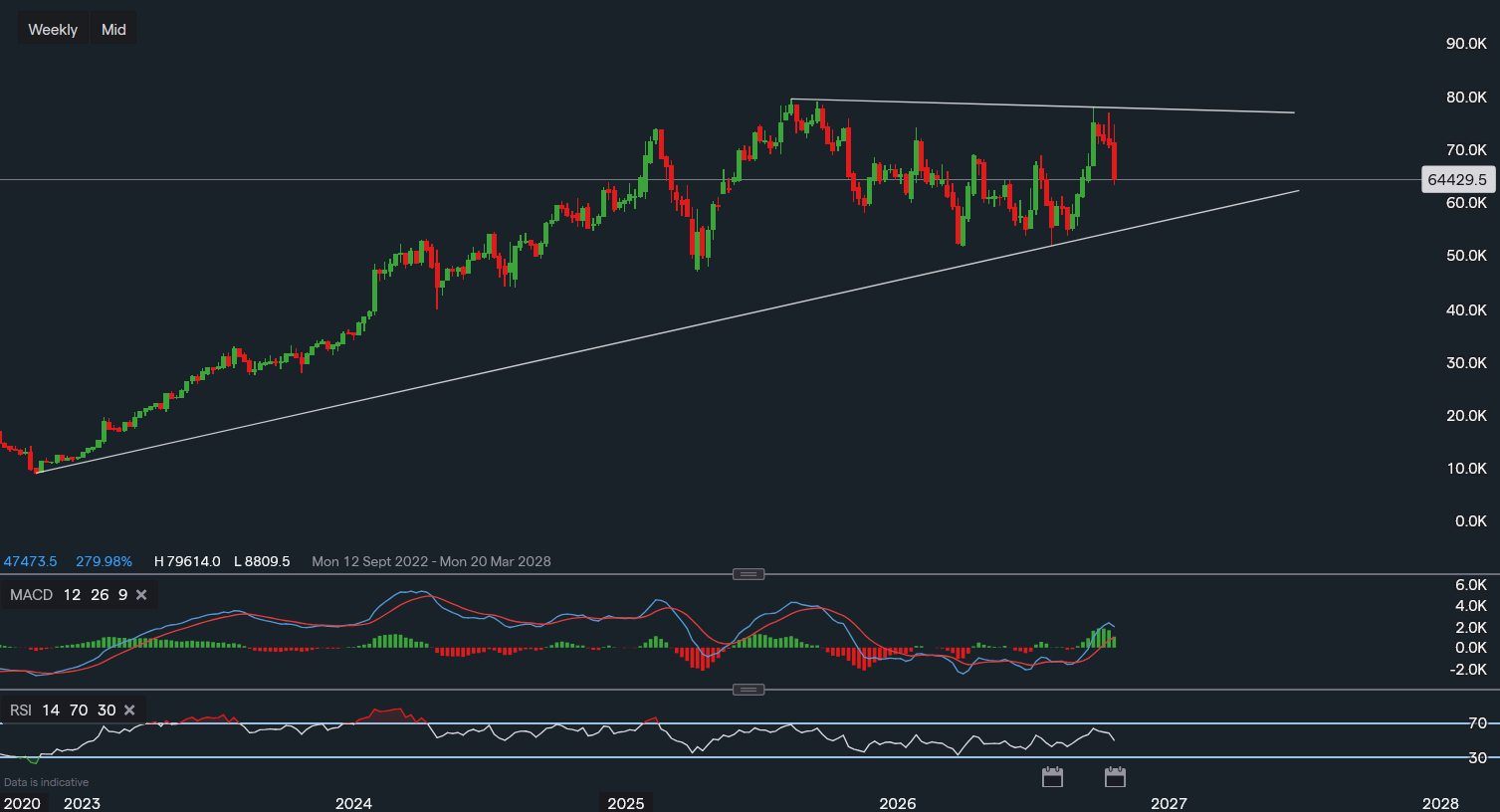
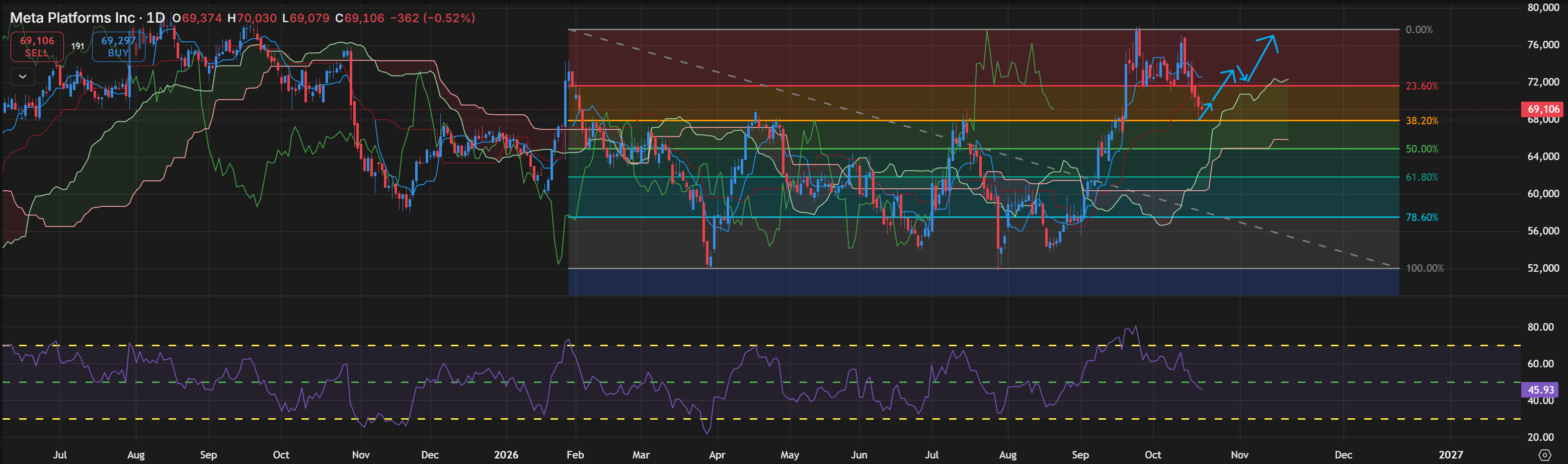
Meta Stock Forecast: META Technical Analysis After Earnings Sell-Off
$644.29
23 Oct 2026, 18:34
Neutral


Join Minipip Academy and access free courses in investing, trading, economics, and more.
Sign Up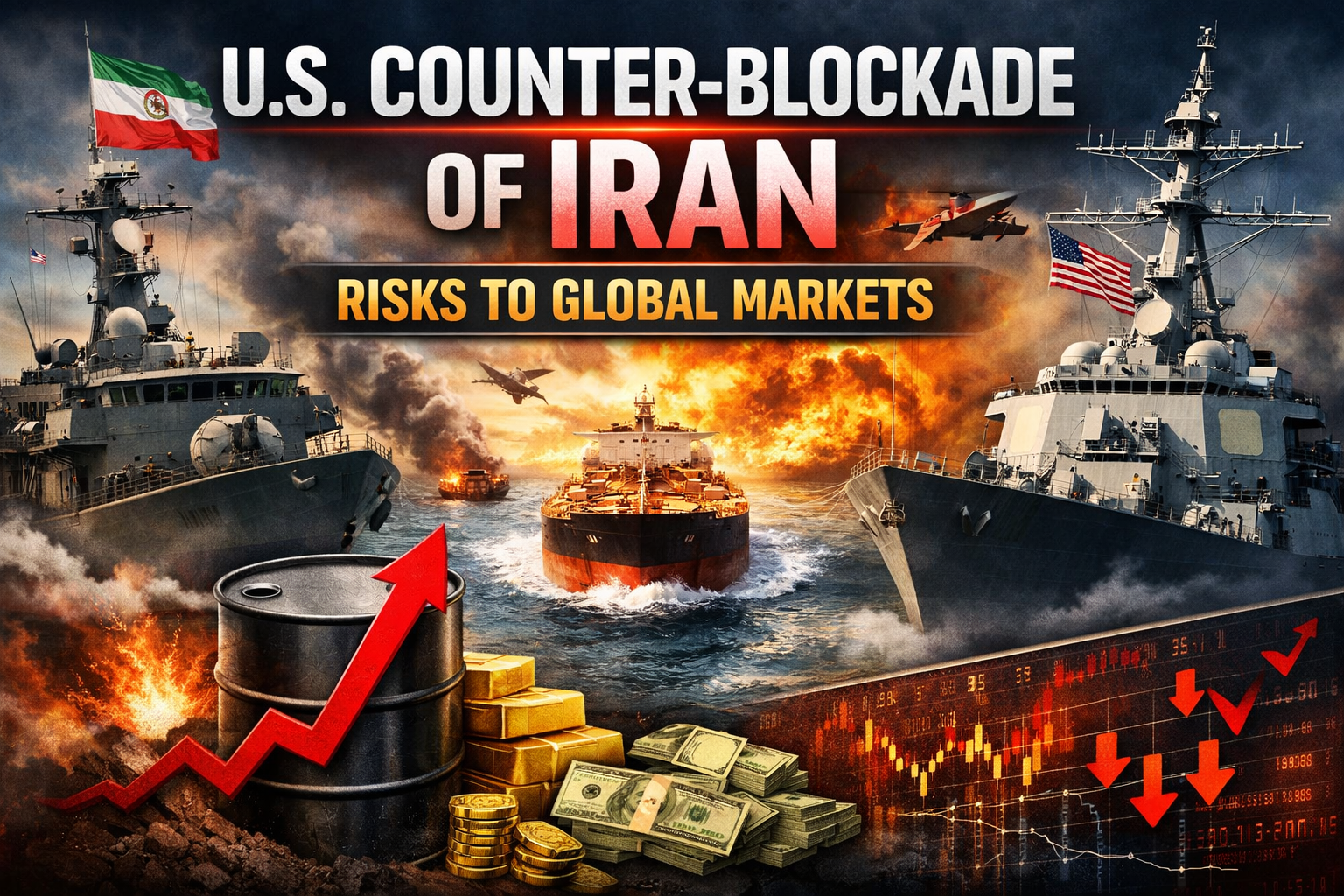
US Counter-Blockade of Iran Raises New Risks for Global Markets


Escalating tensions in the Persian Gulf have taken a new turn, with the United States reportedly moving to counter Iran’s attempts to restrict maritime traffic in the Strait of Hormuz. While the immediate focus remains on security and energy flows, financial markets are beginning to react to the broader implications of a potential naval standoff in one of the world’s most critical trade arteries.
A Strategic Chokepoint Under Pressure
The Strait of Hormuz is one of the most strategically significant waterways on the planet, with roughly a fifth of global oil consumption passing through it each day. Any disruption—whether from an Iranian blockade or a US-led effort to counter it—immediately raises concerns about supply continuity.
Markets are not just reacting to physical disruptions, but to uncertainty itself. Even the perception of risk in this region can trigger volatility across commodities, currencies, and equities.
Oil Prices Take the Lead
Historically, tensions in the Gulf translate quickly into movements in oil prices. A US effort to break or contain an Iranian blockade would likely increase the probability of military escalation, pushing crude prices higher.
For the stock market, this creates a mixed picture:
Major indices can therefore experience uneven performance, with gains in energy offset by losses elsewhere.
Investor Sentiment and Risk Aversion
Beyond oil, the bigger story is investor psychology. Geopolitical conflict—especially involving the US and Iran—typically drives a shift toward “risk-off” behaviour.
This can lead to:
Volatility indices often spike during such periods, reflecting heightened uncertainty. Traders begin pricing in worst-case scenarios, even if they do not materialise.
Supply Chains and Corporate Exposure
A prolonged naval confrontation could disrupt more than just oil. Shipping delays and higher insurance costs for vessels passing through the region would ripple across global supply chains.
Industries most at risk include:
Publicly listed companies exposed to these sectors may see earnings forecasts revised downward, putting pressure on their share prices.
Defence Sector Gains Momentum
One sector that typically benefits in such scenarios is defence. Increased military activity and heightened geopolitical tension often lead to expectations of higher government spending on defence capabilities.
Companies involved in:
may see their stock prices rise as investors anticipate expanded contracts and long-term demand.
Inflation and Central Bank Complications
Higher energy prices combined with supply chain disruption can reignite inflationary pressures. For central banks, this creates a difficult balancing act:
This policy uncertainty adds another layer of instability for investors, particularly in already fragile economic conditions.
What Markets Are Watching Next
The trajectory of the stock market will depend heavily on how the situation evolves:
Investors are closely monitoring diplomatic signals, naval movements, and shipping data for early indications of where the situation is heading.
A Reminder of Market Fragility
This developing situation underscores a broader reality: global financial markets remain deeply interconnected with geopolitical events. A single chokepoint like the Strait of Hormuz can influence everything from oil prices to semiconductor production—and ultimately, stock market performance worldwide.
For now, the US counter-blockade introduces a new layer of complexity, reinforcing the idea that geopolitical risk is not just a background factor, but a central driver of market behaviour in an increasingly uncertain world.

Tradable assets:
Min.Deposit:
Max Leverage:
FCA:

Rating:
 Earnings Calendar
  Economic Calendar
  VAT Calculator
  Tax Free Childcare Calculator
 Percentage Calculator
 Compound Interest Calculator
  Loan Overpayment Calculator
 Mortgage Calculator
 Credit Card Calculator
 Investing
  Economics
 Trading
  Technical Analysis
  Personal Finance
 Calculator