Analysis
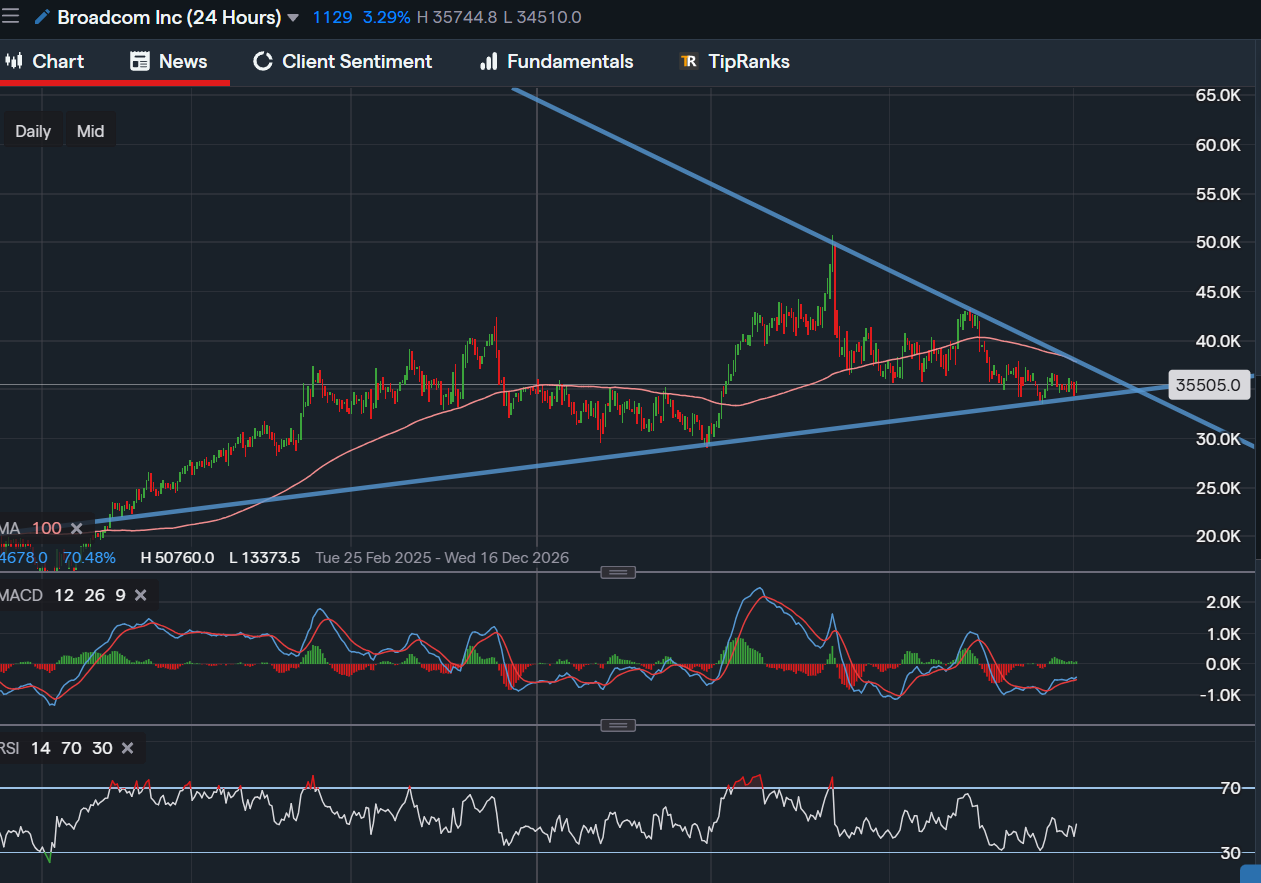
Broadcom Holds Its Uptrend With Analysts Eyeing 45% Upside
$355
03 Oct 2026, 12:56
Neutral


Join Minipip Academy and access free courses in investing, trading, economics, and more.
Sign Up
Pexels.com


US tariff threat hits major pharmaceutical shares and raises concerns over global supply chains
Pharmaceutical stocks came under pressure after reports that the Donald Trump administration is preparing to impose tariffs of up to 100% on certain imported drugs. The proposed move has unsettled investors and raised fresh concerns about global supply chains and healthcare costs.
Pharma Shares Decline on Tariff Fears
Shares in major pharmaceutical companies fell in early trading following the report.
Among the biggest movers:
The broad-based decline reflects investor concern that tariffs could disrupt earnings and increase operational costs across the sector.
What the Proposed Tariffs Mean
According to reports, the US government could introduce tariffs as early as Thursday. The proposed measures would apply to pharmaceutical companies that have not reached agreements with the White House.
The policy follows earlier warnings from Trump, who threatened to impose tariffs of up to 100% on imported branded and patented drugs unless manufacturers committed to building production facilities in the United States.
Companies that have already struck deals with the administration may face reduced or capped tariffs.
Part of a Wider US Manufacturing Push
The tariff plan is part of a broader strategy to encourage domestic manufacturing and reduce reliance on overseas supply chains.
Several major pharmaceutical companies, including Pfizer, AstraZeneca and Novo Nordisk, have already agreed to increase investment in US-based production.
The policy aims to bring more drug manufacturing back to the US, but it also risks creating friction with global partners and increasing costs for companies that rely on international supply chains.
Why Investors Are Concerned
The proposed tariffs raise several key risks for investors:
The pharmaceutical industry is highly globalised, with many companies relying on international manufacturing and distribution networks. Sudden changes to trade policy can therefore have an immediate impact on valuations.
What This Means for the Healthcare Sector
In the short term, uncertainty around tariffs is likely to weigh on sentiment across the healthcare sector. Even companies with US manufacturing exposure could face indirect impacts through pricing pressure and supply chain adjustments.
However, firms that have already committed to US investment may be better positioned to navigate the changes and avoid the most severe tariff effects.
Outlook: Policy Risk Back in Focus
The potential introduction of tariffs marks a significant shift in US trade policy towards the pharmaceutical industry. While the long-term goal is to boost domestic manufacturing, the immediate effect has been increased market volatility.
For investors, the key issue will be clarity. Until the details of the tariff policy are confirmed, pharmaceutical stocks may remain under pressure as markets assess the potential impact on earnings and global operations.
Sources: (Fool.com, Investing.com)

Tradable assets:
Min.Deposit:
Max Leverage:
FCA:

Rating:
 Earnings Calendar
  Economic Calendar
  VAT Calculator
  Tax Free Childcare Calculator
 Percentage Calculator
 Compound Interest Calculator
  Loan Overpayment Calculator
 Mortgage Calculator
 Credit Card Calculator
 Investing
  Economics
 Trading
  Technical Analysis
  Personal Finance
 Calculator