Analysis
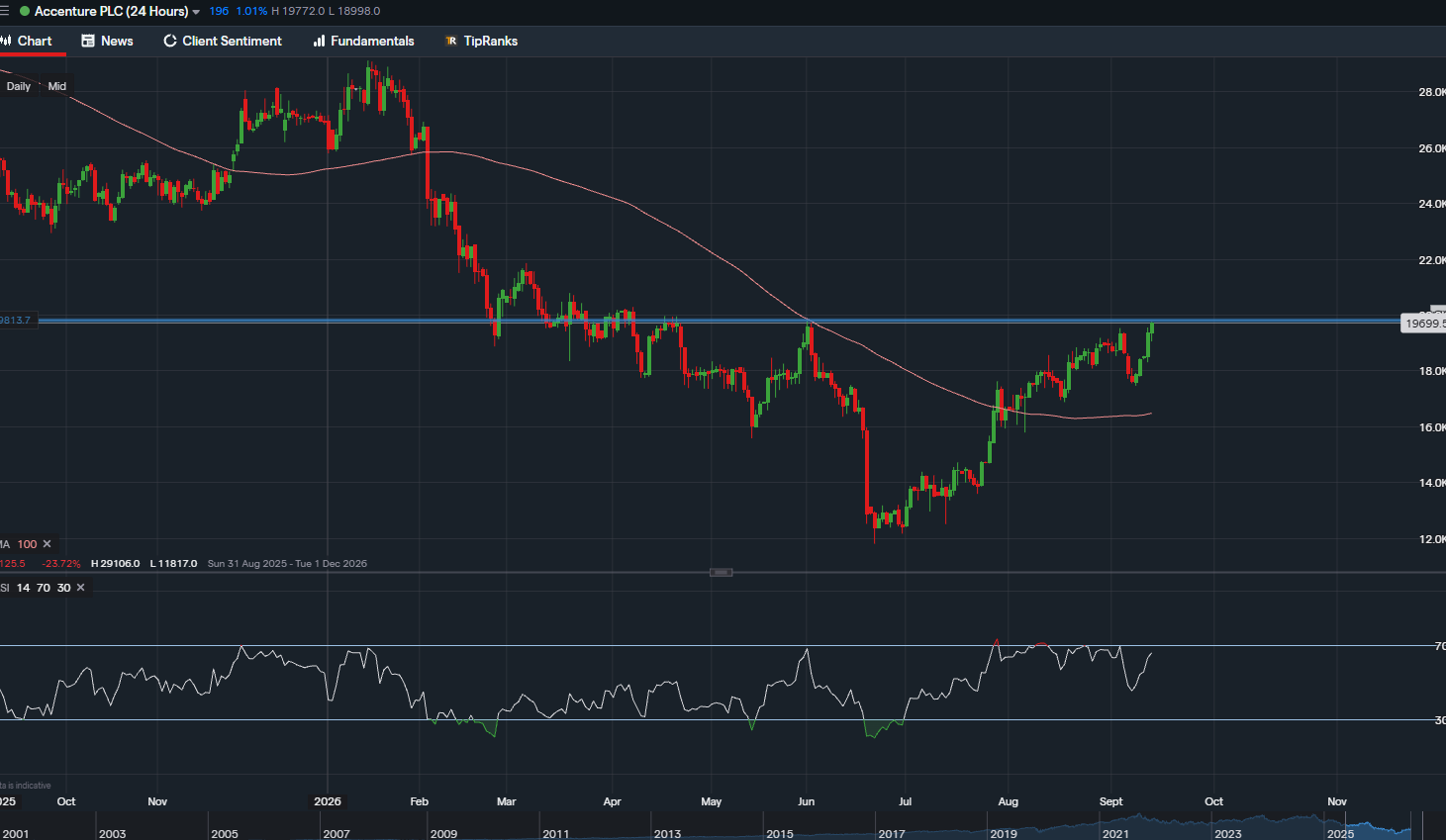
Accenture Tests Key Resistance as Earnings Loom
$197
15 Sep 2026, 18:47
Neutral


Join Minipip Academy and access free courses in investing, trading, economics, and more.
Sign Up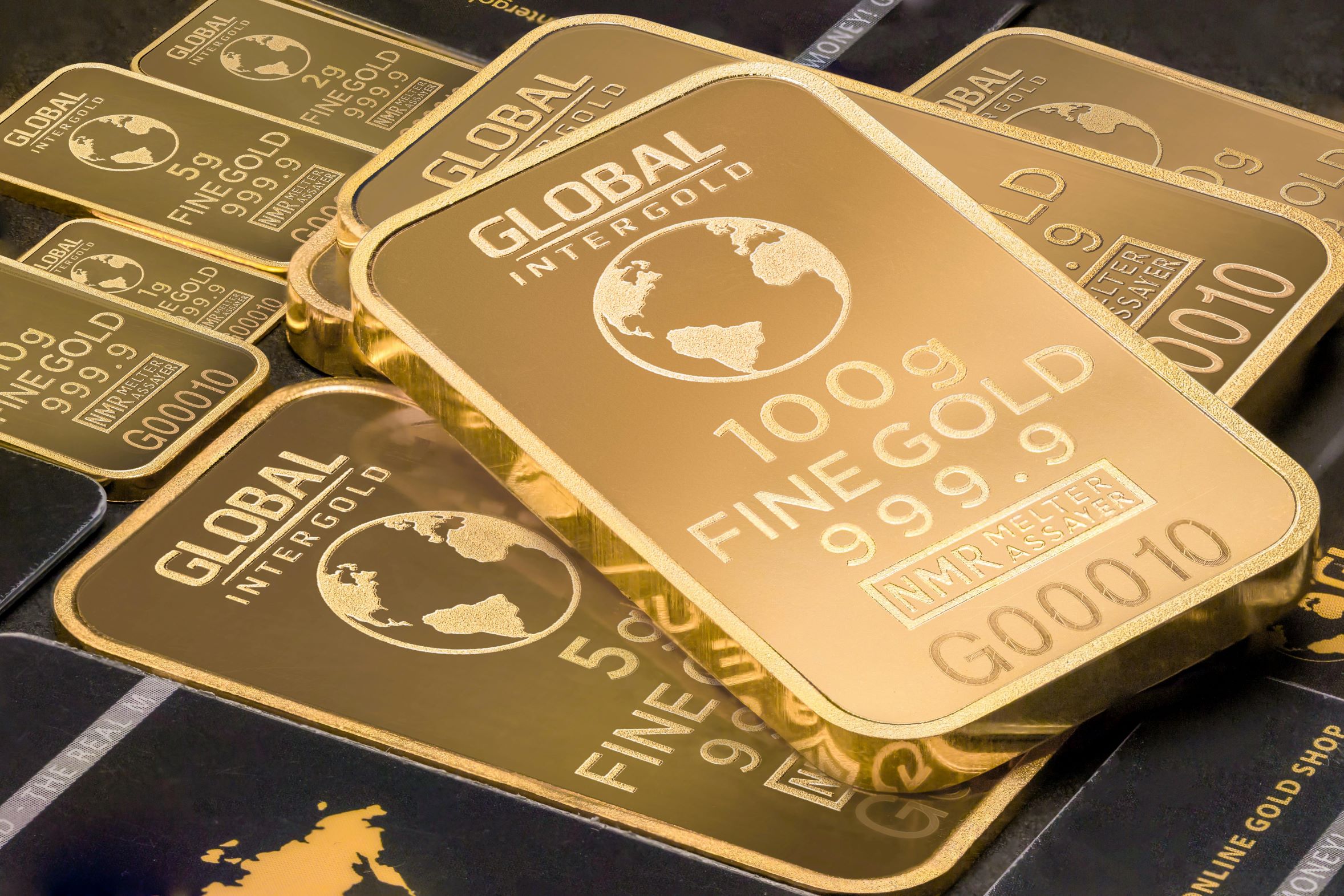
Pexels.com


Why record gold prices reflect rising uncertainty around Trump, trade wars and central banks
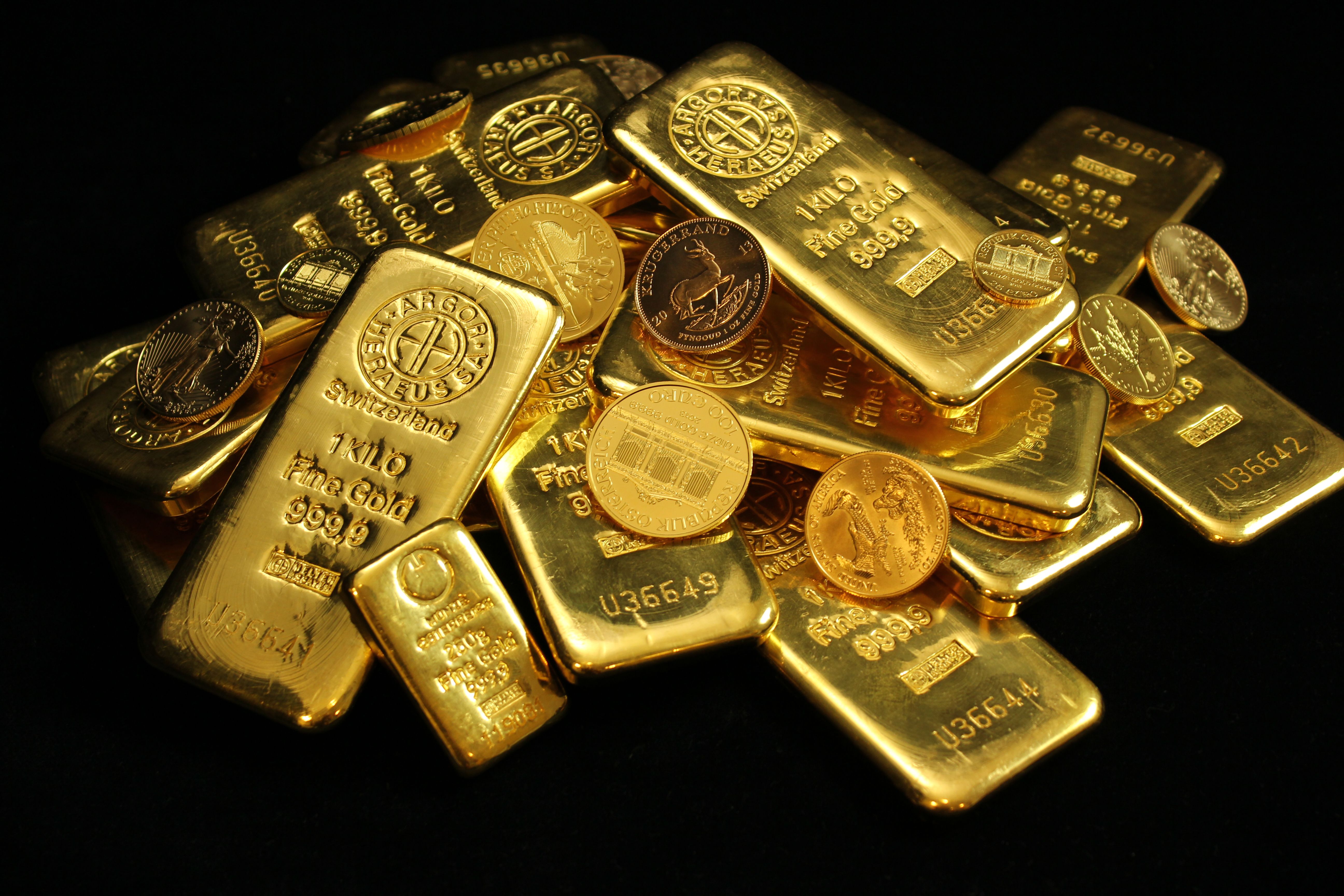
Gold prices have surged beyond $5,000 per ounce for the first time, extending a powerful rally as investors rush towards safe-haven assets amid growing political and economic uncertainty. The move reflects deepening concern over US policy direction under Donald Trump and instability across global markets.
Gold Hits a Historic Milestone
Gold has pushed decisively through the $5,000 mark, a level few analysts expected so soon. The precious metal has been one of the strongest-performing assets since Trump returned to the White House, rising sharply as markets react to heightened volatility.
Last year alone, gold recorded gains of around 64%, and momentum has carried strongly into 2026. Investors increasingly see gold as an essential hedge against political risk, inflation uncertainty and market shocks.
Why Demand for Gold Is Surging
Gold traditionally performs well during periods of instability, and several factors are now combining to drive demand higher:
Under Trump’s second term, markets have been forced to react to rapid policy shifts, on-off trade disputes and confrontational foreign policy, all of which favour defensive assets like gold.
Banks Raise Gold Price Forecasts
Major investment banks have been quick to revise their gold forecasts upwards in recent weeks. Analysts now expect elevated prices to persist throughout 2026, citing an unusual concentration of political, monetary and geopolitical risks.
Gold’s sensitivity to global events has been especially clear during episodes of military tension or aggressive trade rhetoric, where prices have jumped within hours of new headlines.
Currency Volatility Adds Fuel
Another factor supporting gold is instability in global currencies, particularly the Japanese yen. The yen has fallen to multi-decade lows against the pound and record lows against the euro, driven by Japan’s ultra-low interest rates.
Investors increasingly expect intervention from the Federal Reserve and the Bank of Japan to stabilise currency markets, adding to uncertainty and boosting demand for gold as a neutral store of value.
Federal Reserve Uncertainty Weighs on Markets
Gold is also being supported by unease around the future of the Federal Reserve. Its latest interest rate decision has been overshadowed by a criminal investigation involving Fed Chair Jerome Powell, whose term ends in May.
There is growing speculation that Trump could soon announce a successor, a move that may intensify concerns over the Fed’s independence. Markets fear that political influence over monetary policy could undermine confidence in the dollar, further strengthening the case for gold.
Tariff Threats Still Linger
Although Trump has recently stepped back from some tariff threats against allies, tensions remain high. Over the weekend, the US warned Canada of potential 100% tariffs, reigniting fears of a broader trade confrontation.
According to Ipek Ozkardeskaya, senior analyst at Swissquote, the lack of fresh escalation has not reassured markets. She noted that despite quieter headlines, strong demand for precious metals suggests investor stress remains elevated.
What This Means for Investors
Gold’s move above $5,000 signals more than short-term fear. It reflects a market pricing in prolonged uncertainty rather than a quick resolution to global risks.
For investors, the surge reinforces gold’s role as a hedge within diversified portfolios, particularly during periods of political unpredictability. While prices may remain volatile after such rapid gains, sustained demand suggests gold will remain central to defensive investment strategies throughout 2026.
Sources: (SKYMoney.com, Reuters.com, Investing.com)

Tradable assets:
Min.Deposit:
Max Leverage:
FCA:

Rating:
 Earnings Calendar
  Economic Calendar
  VAT Calculator
  Tax Free Childcare Calculator
 Percentage Calculator
 Compound Interest Calculator
  Loan Overpayment Calculator
 Mortgage Calculator
 Credit Card Calculator
 Investing
  Economics
 Trading
  Technical Analysis
  Personal Finance
 Calculator