News
What Labour’s Leaked Plans Could Mean for Your Money
10 Oct 2026, 12:26


Join Minipip Academy and access free courses in investing, trading, economics, and more.
Sign Up
AI


Global markets are trying to stay positive despite renewed tension between the US and Iran. US stock futures moved higher on Thursday, helped by technology shares, although oil prices remain above pre-attack levels and inflation fears have returned.
Here are the five main stories investors are watching.
1. US futures rise despite market uncertainty
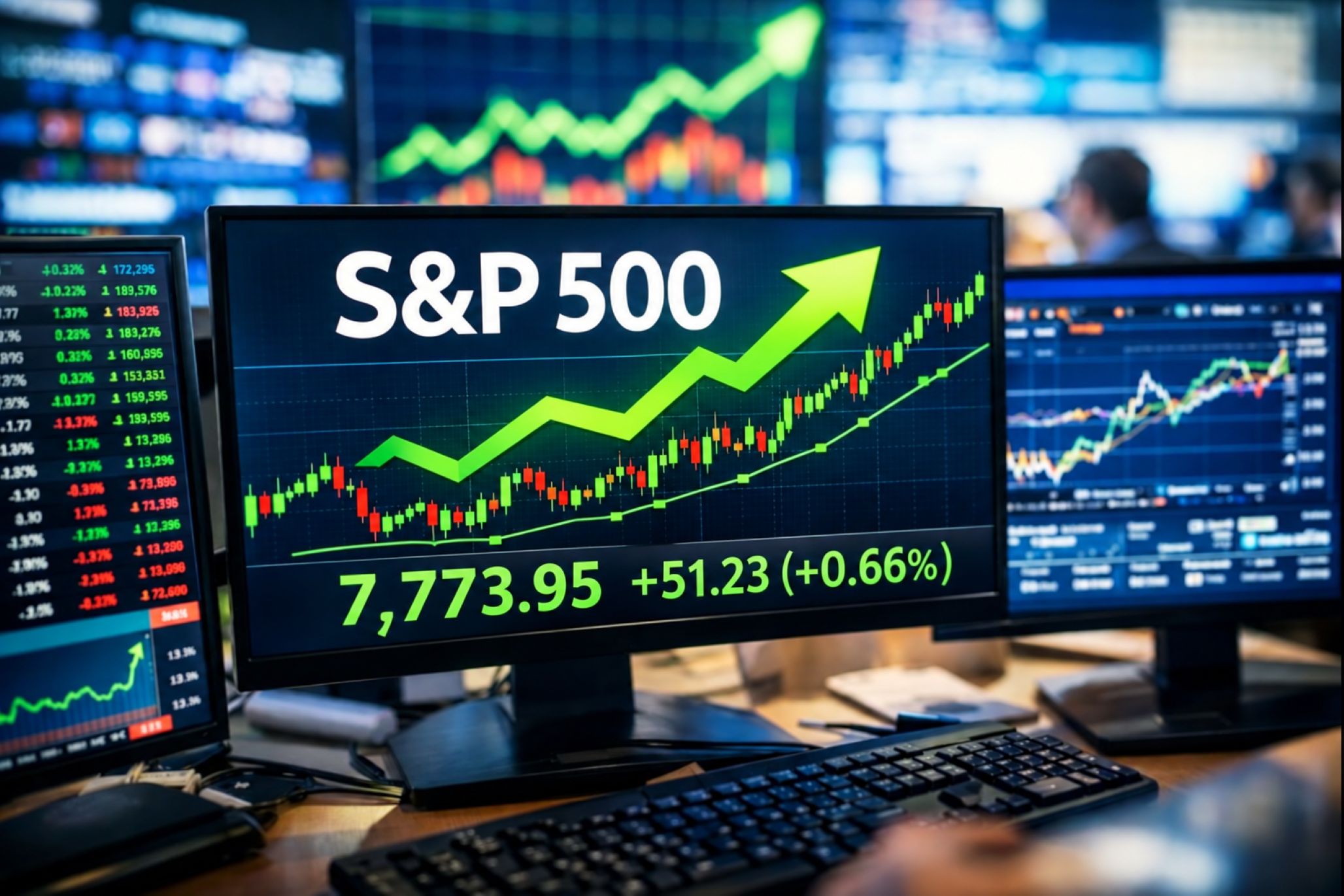
US stock futures edged higher after a volatile session on Wall Street. Futures linked to the Dow Jones, S&P 500 and Nasdaq 100 all pointed upwards before the market open.
The move came after mixed trading on Wednesday, when:
Technology stocks helped support sentiment, particularly after reports that China may allow some domestic purchases of Nvidia’s H200 artificial intelligence chip. This helped offset some concerns caused by President Donald Trump saying the US-Iran ceasefire may be “over”.
2. US and Iran exchange fresh strikes
The US and Iran have exchanged further strikes, increasing fears that the fragile ceasefire agreed in June could collapse.
US Central Command said it had targeted around 90 sites in Iran, including air defence systems and missile and drone storage facilities. The US said the strikes were intended to weaken Iran’s ability to attack commercial vessels in the Strait of Hormuz.
Iran responded by targeting US military bases in Kuwait and Bahrain. The situation remains highly sensitive, with negotiations over the Strait of Hormuz, Iran’s nuclear programme and wider regional conflict still unresolved.
For investors, this creates clear geopolitical risk. Any further escalation could increase volatility across stocks, commodities and currencies.
3. Brent crude remains volatile
Oil prices remain under pressure from uncertainty in the Middle East. Brent crude was trading just below $78 a barrel, compared with around $71 before the latest attacks.
The Strait of Hormuz remains the key issue. Around one-fifth of global oil and liquefied natural gas flows through the waterway, making it one of the most important energy routes in the world.
Oil prices had previously fallen back after the June ceasefire agreement, raising hopes that inflation pressure would ease. However, the latest attacks have made the outlook less certain.
Higher oil prices can affect markets by:
4. PepsiCo earnings in focus
PepsiCo is due to report quarterly earnings before the opening bell, giving investors a fresh look at the consumer goods sector.
The company has already warned that the macroeconomic environment has become more uncertain due to geopolitical conflict. Investors will be watching closely to see whether higher energy and raw material costs are affecting margins.
PepsiCo may also face pressure from tariffs and weaker consumer demand. Price rises could help protect profits, but they may also risk pushing some customers towards cheaper alternatives.
The key areas to watch are:
5. China inflation data sends mixed signals
China’s inflation data showed uneven conditions in the world’s second-largest economy.
Consumer inflation slowed in June, with CPI rising 1.0% year-on-year, below expectations. However, producer prices rose 4.1%, the highest annual increase since July 2022.
This matters because producer price inflation can feed into global supply chains. Higher electronics prices, partly linked to memory chip shortages and AI-related demand, may add pressure to companies already dealing with higher costs.
Conclusion
For investors, the market picture is mixed. US futures are higher and technology stocks remain supported, but geopolitical risk and oil prices are adding uncertainty.
If the US-Iran conflict worsens, stock prices could become more volatile, inflation expectations may rise and central banks could be less willing to ease policy. However, if oil stabilises and earnings remain strong, markets may continue to find support, especially from technology and AI-linked stocks.
Sources: (Reuters.com, SKYMoney, YahooFinance)

Tradable assets:
Min.Deposit:
Max Leverage:
FCA:

Rating:
 Earnings Calendar
  Economic Calendar
  VAT Calculator
  Tax Free Childcare Calculator
 Percentage Calculator
 Compound Interest Calculator
  Loan Overpayment Calculator
 Mortgage Calculator
 Credit Card Calculator
 Investing
  Economics
 Trading
  Technical Analysis
  Personal Finance
 Calculator