News
What Labour’s Leaked Plans Could Mean for Your Money
10 Oct 2026, 12:26


Join Minipip Academy and access free courses in investing, trading, economics, and more.
Sign Up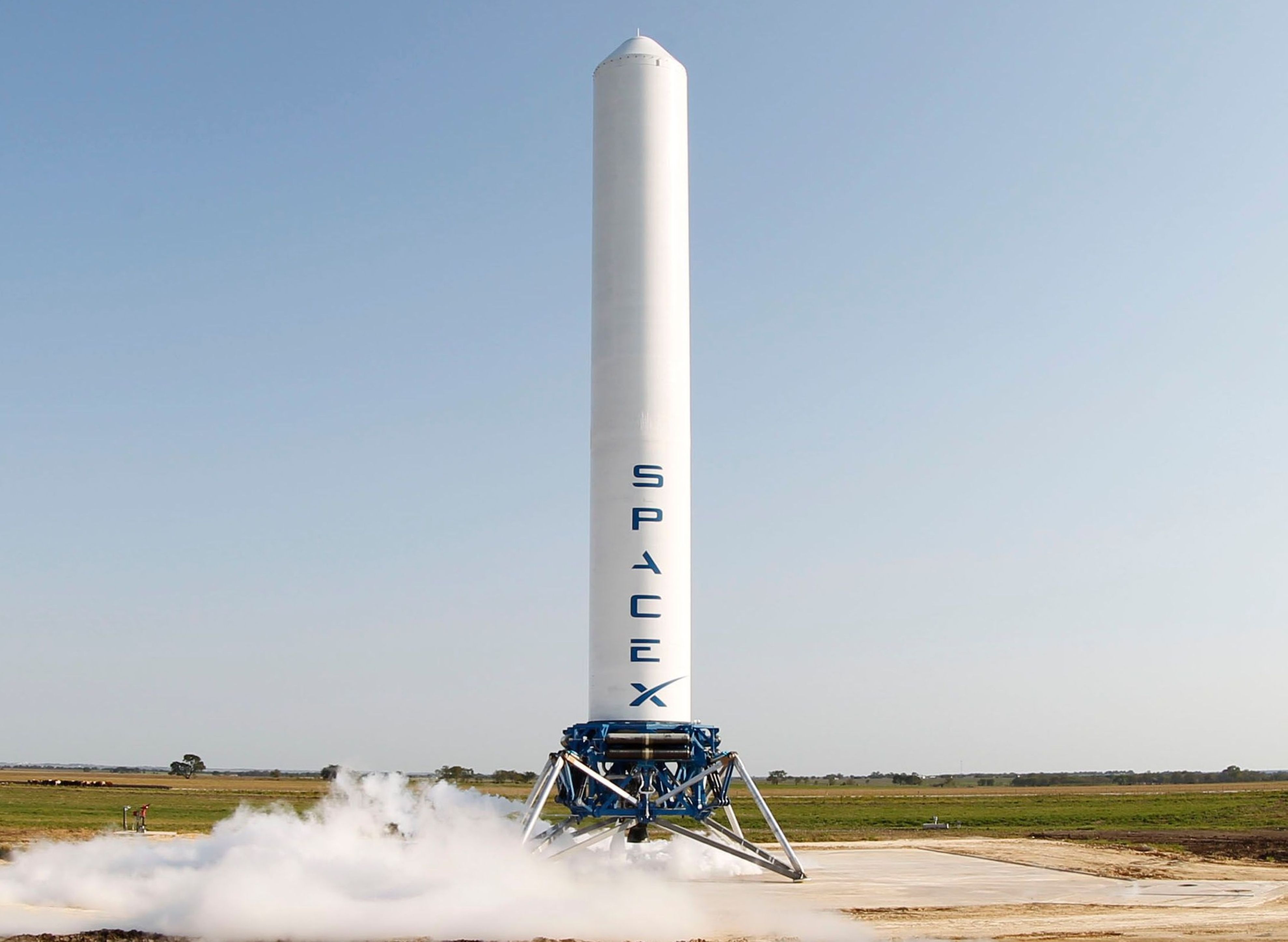
Pexels.com


SpaceX has become one of the most talked-about stocks on the market after Citi began coverage with a Buy rating and a $200 price target. That target suggests around 25% upside by year-end, but the bigger headline is Citi’s view that SpaceX could eventually move towards a valuation of more than $900 per share.
The bullish case is based on one major idea: if SpaceX can prove Starship works at scale, it could unlock markets that few other companies can realistically access.
Citi argues that successful Starship deployment could give SpaceX the most affordable and scalable launch system in the world. That could strengthen the company’s position across several high-value areas, including:
The company has also benefited from its inclusion in the Nasdaq 100 index. This matters because funds that track the index may need to buy SpaceX shares, creating additional demand. Passive buying can support a share price in the short term, especially when the number of freely traded shares is limited.
However, this also creates risk. If a stock rises because of forced index buying rather than improving profits, the move can become unstable. Once the passive buying has finished, investors may return their attention to valuation, earnings and execution.
The main attraction of SpaceX is its scale. The company already has a strong launch business, a large satellite network and a global brand. Its vertical integration also gives it a major advantage. By designing, building and launching much of its own technology, SpaceX may be able to lower costs faster than competitors.
This is why some analysts believe the company could dominate several future markets. If Starship succeeds, SpaceX could potentially launch more payloads at lower cost, making space infrastructure more commercially realistic.
But the risks are just as important.
The path to a $900 share price depends on several things going right. These include:
If any of these fail, the stock could fall sharply. SpaceX is not being valued like a normal industrial or telecoms company. It is being valued as a future platform for space, connectivity and AI. That means expectations are extremely high.
For investors, this can be dangerous. A company can be outstanding and still be a poor investment if the starting valuation is too expensive. SpaceX may have one of the strongest growth stories in the world, but that does not remove the risk of overpaying.
If things go wrong, the impact could spread beyond SpaceX. A sharp fall in the stock could damage sentiment across high-growth technology names, AI infrastructure stocks and newly listed companies. It may also increase volatility in the Nasdaq 100, especially if passive funds and retail investors are heavily exposed.
Conclusion
SpaceX has huge long-term potential, but the stock is priced for exceptional success. Citi’s $900-plus scenario may be possible, but it depends on major engineering, commercial and regulatory milestones being achieved at scale.
For investors, the safer approach may be patience. SpaceX could become one of the most important companies of the next decade, but if expectations run too far ahead of reality, the share price could become vulnerable. If Starship delays, AI revenue disappoints or index-buying support fades, investors and markets could face a sharp reset.
Sources: (Reuters, MarketWatch, Business Insider, Yahoo Finance)

Tradable assets:
Min.Deposit:
Max Leverage:
FCA:

Rating:
 Earnings Calendar
  Economic Calendar
  VAT Calculator
  Tax Free Childcare Calculator
 Percentage Calculator
 Compound Interest Calculator
  Loan Overpayment Calculator
 Mortgage Calculator
 Credit Card Calculator
 Investing
  Economics
 Trading
  Technical Analysis
  Personal Finance
 Calculator