Analysis
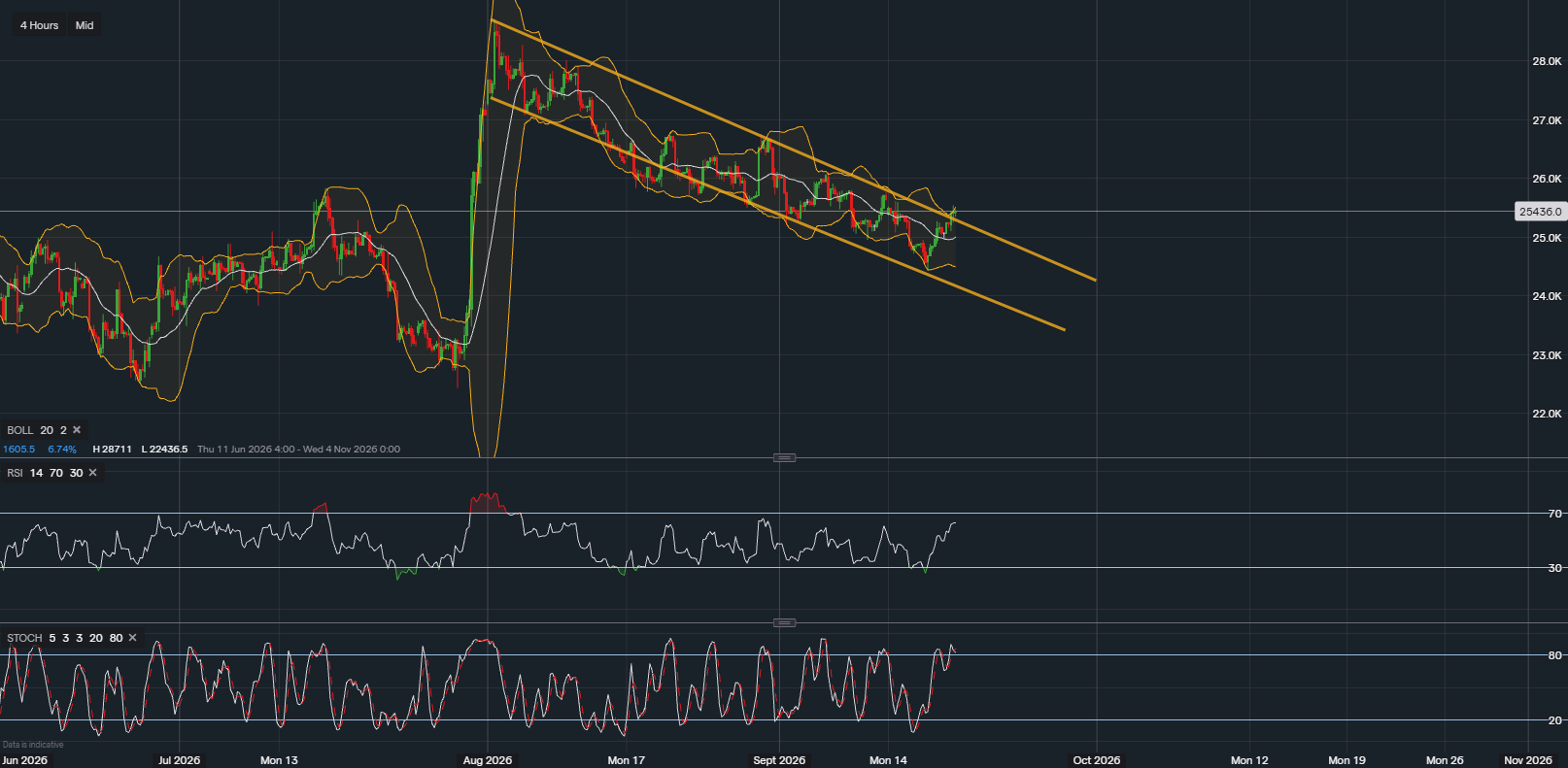
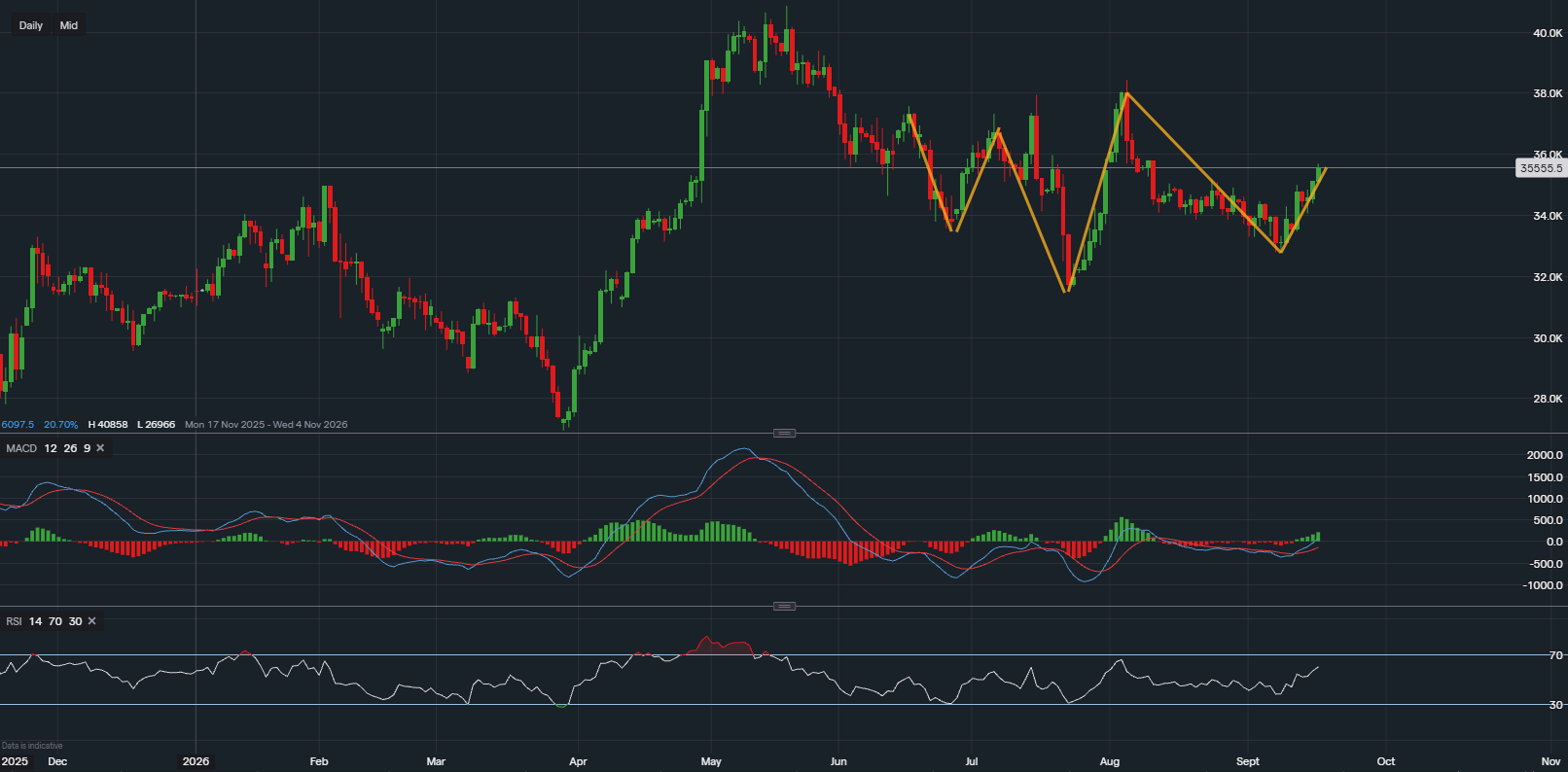
Amazon Stock Analysis: Can the Bullish Reversal Continue?
$254.36
19 Sep 2026, 12:29
Bullish


Join Minipip Academy and access free courses in investing, trading, economics, and more.
Sign Up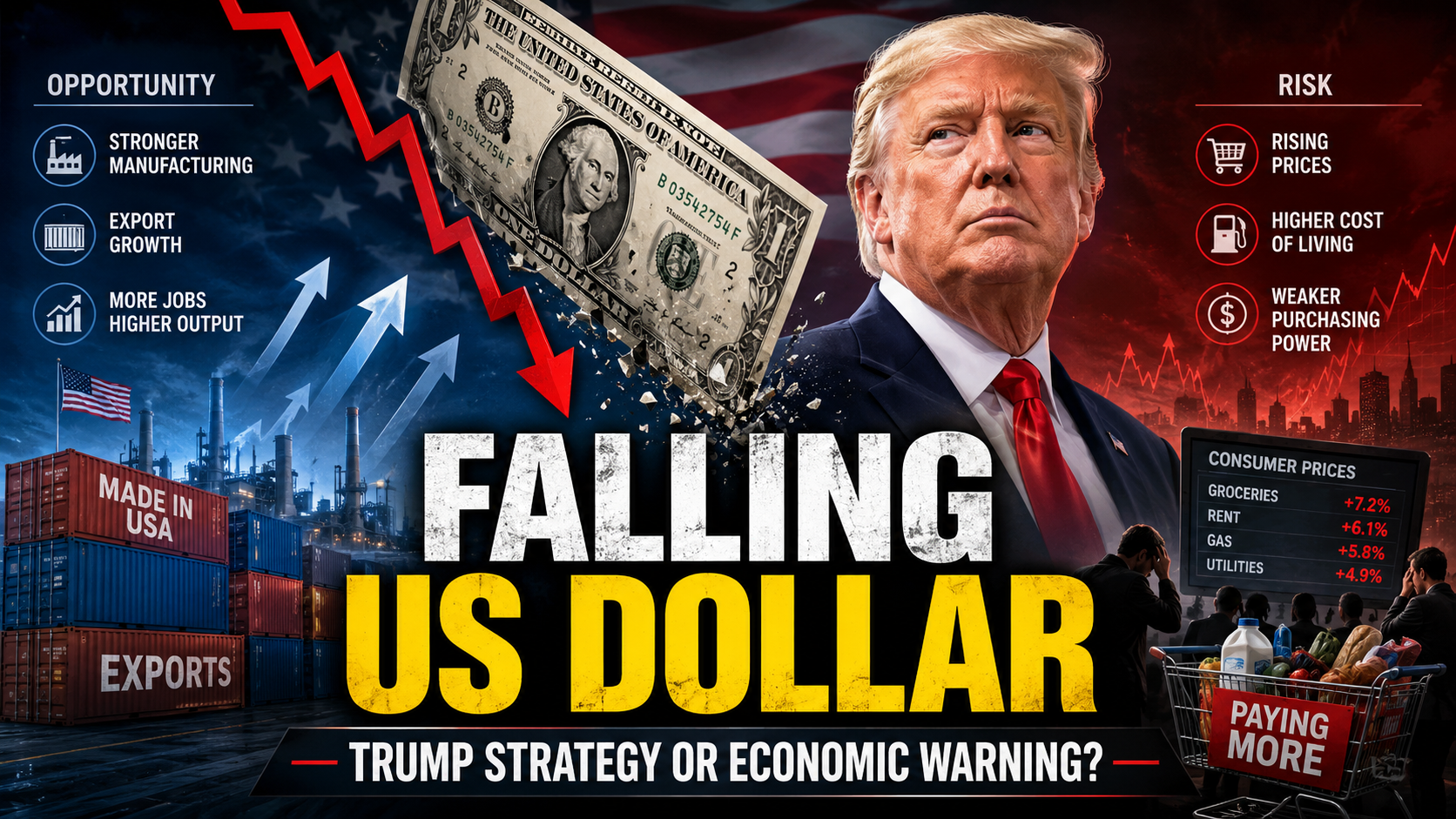
Falling US Dollar Sparks Debate Over Trump's Economic Strategy


The recent decline in the value of the US dollar has fueled widespread debate among economists, investors, and political commentators. While some critics argue that the weakening currency signals economic instability and a loss of confidence in US leadership, others contend it may be part of a broader strategy aimed at strengthening the nation's long-term economic position.
Supporters of former President Donald Trump argue that a weaker dollar can provide significant advantages for the American economy. As the dollar falls in value, US-made goods become less expensive for overseas buyers, making American exports more competitive in global markets. This, they say, could boost demand for US manufacturing, encourage domestic production, and create new jobs across key industries.
Another argument put forward is that inflation associated with a weaker currency can reduce the real value of the United States' national debt, which currently stands at around $39 trillion. While the nominal debt remains unchanged, inflation can lessen its burden over time by reducing its purchasing power. Advocates also suggest that a weaker dollar could narrow the competitive edge enjoyed by major export economies such as China and several European nations, whose products have often benefited from a relatively strong US currency.
Critics, however, caution that a weaker dollar can also have drawbacks. A declining currency typically increases the cost of imported goods, potentially driving up inflation for American consumers and businesses that rely on foreign products and raw materials. Financial markets also tend to react cautiously to sustained currency weakness, particularly if investors interpret it as a sign of broader economic uncertainty.
The contrasting views highlight the ongoing debate over the role of currency policy in economic growth. Whether the dollar's decline represents a temporary market adjustment or a deliberate strategy remains a subject of discussion, with experts divided over its potential long-term impact on the US economy.

Tradable assets:
Min.Deposit:
Max Leverage:
FCA:

Rating:
 Earnings Calendar
  Economic Calendar
  VAT Calculator
  Tax Free Childcare Calculator
 Percentage Calculator
 Compound Interest Calculator
  Loan Overpayment Calculator
 Mortgage Calculator
 Credit Card Calculator
 Investing
  Economics
 Trading
  Technical Analysis
  Personal Finance
 Calculator