Analysis
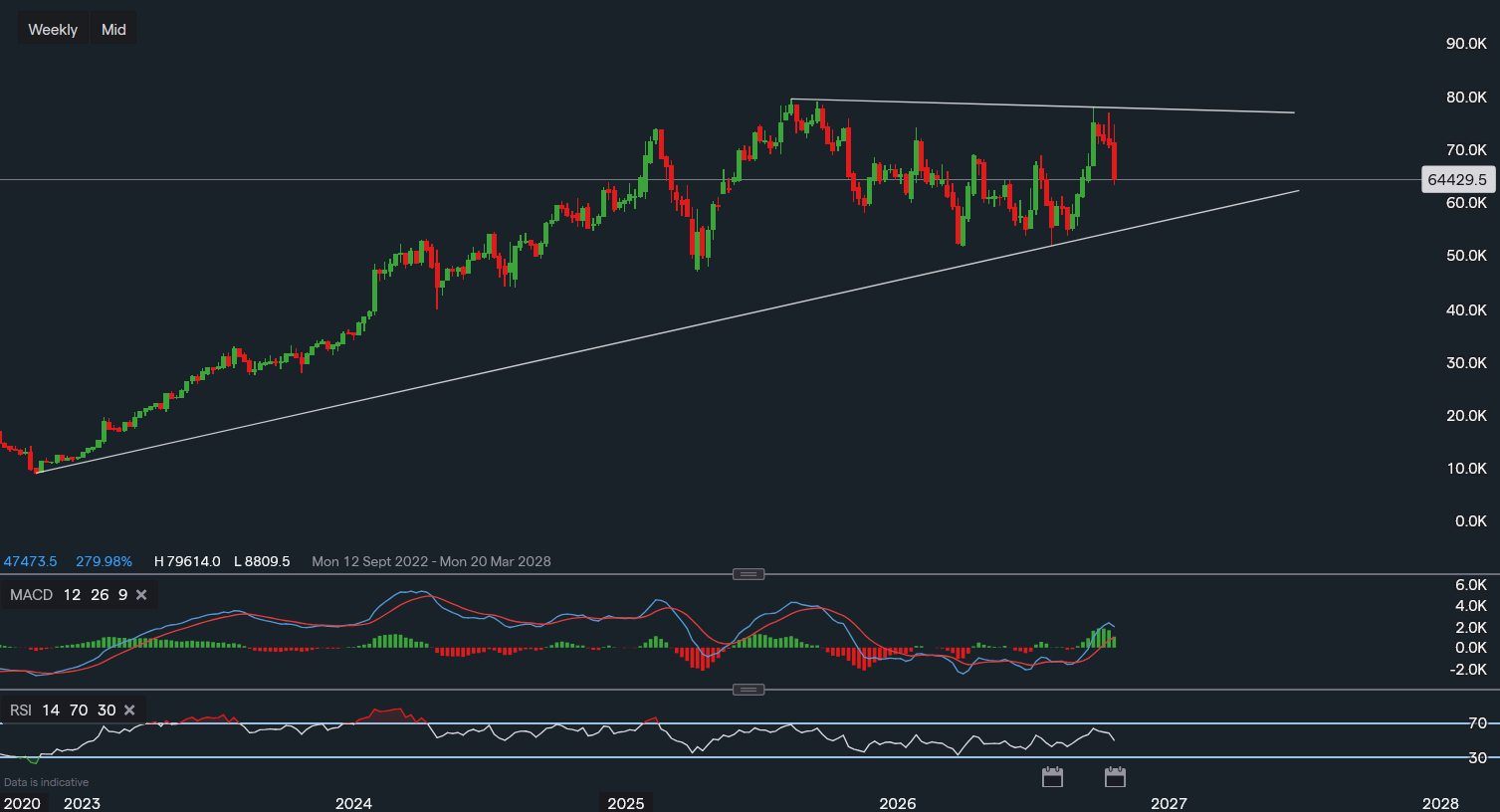
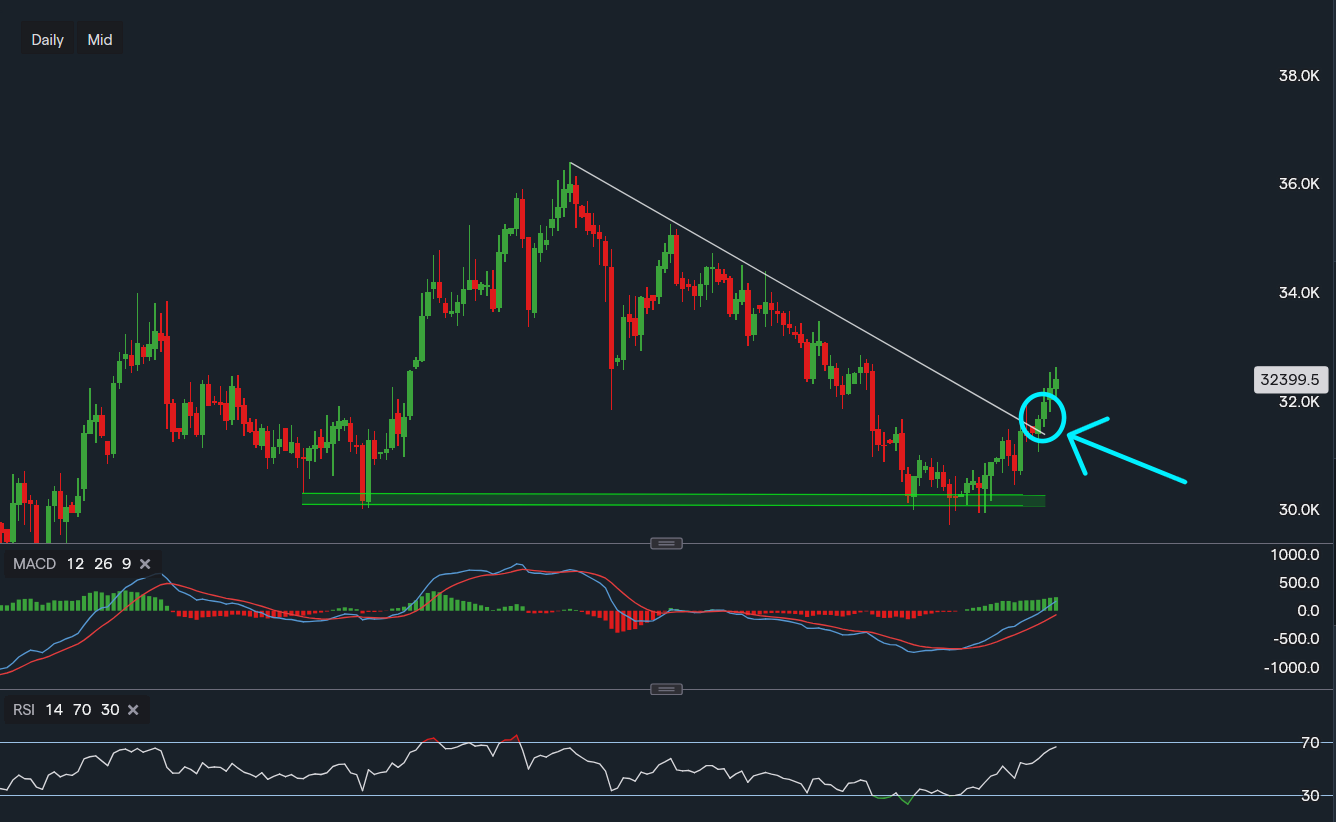
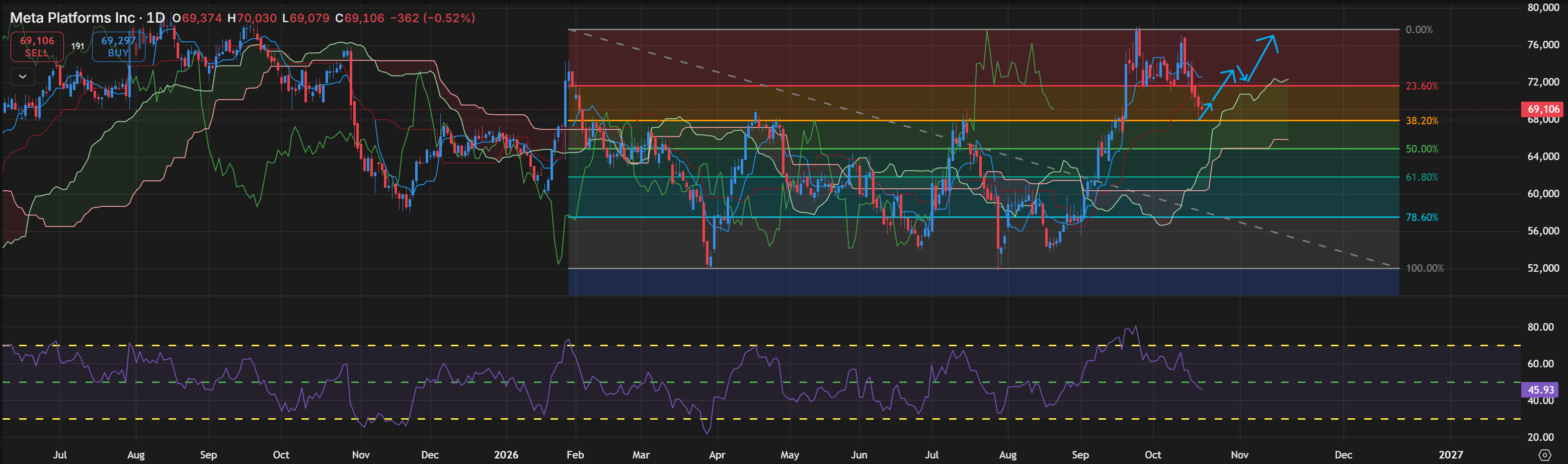
Meta Stock Forecast: META Technical Analysis After Earnings Sell-Off
$644.29
23 Oct 2026, 18:34
Neutral


Join Minipip Academy and access free courses in investing, trading, economics, and more.
Sign Up
Pexels.com


Zero monthly GDP growth raises concerns over inflation, interest rates and the outlook for UK stocks
The UK economy showed no growth in January, highlighting the fragile state of the recovery as rising energy prices and geopolitical tensions threaten to push inflation higher again.
According to the latest data from the Office for National Statistics (ONS), the economy expanded 0.2% over the three months to January, but monthly output was flat. The figures underline how economic momentum remains weak despite hopes that growth would accelerate in early 2026.
Economists say the outlook has become even more uncertain following escalating conflict in the Middle East, which has driven a sharp surge in oil and gas prices.
Key Economic Figures
The latest UK economic data presents a mixed picture of growth across sectors.
Important highlights include:
Liz McKeown, director of economic statistics at the ONS, said the latest figures show that the overall economic picture remains subdued.
Energy Prices Are Driving Inflation Concerns
The biggest risk to the UK economy currently comes from the rapid rise in energy costs.
Several developments have pushed prices sharply higher:
A key factor is the closure of the Strait of Hormuz, one of the world’s most important energy shipping routes. The strait normally handles about 20% of global oil supplies, meaning any disruption can have significant global consequences.
Rising Costs Are Already Hitting Households
Higher energy prices tend to feed through the economy quickly, affecting both consumers and businesses.
Early impacts include:
These rising costs could slow consumer spending and reduce economic growth if they persist.
Interest Rate Outlook Has Changed
Before the recent surge in energy prices, financial markets widely expected the Bank of England to cut interest rates in the near future as inflation eased.
However, that outlook has shifted significantly.
Economists now believe:
Higher interest rates typically reduce economic activity by making borrowing more expensive.
What This Means for Stocks and Investors
A weak economic outlook combined with rising inflation can have significant implications for financial markets.
Possible effects include:
Financial markets often react quickly to inflation risks because higher interest rates can reduce corporate earnings and stock valuations.
Outlook for the UK Economy
Much will depend on how long energy prices remain elevated and whether global supply chains recover.
If the conflict in the Middle East continues to disrupt oil and gas production, inflation pressures could persist and weigh on economic growth throughout the year.
For now, the latest figures suggest the UK economy has entered 2026 with limited momentum — and rising energy costs could make the path to recovery more challenging.
Sources: (BBC.co.uk, SKYMoney.com)

Tradable assets:
Min.Deposit:
Max Leverage:
FCA:

Rating:
 Earnings Calendar
  Economic Calendar
  VAT Calculator
  Tax Free Childcare Calculator
 Percentage Calculator
 Compound Interest Calculator
  Loan Overpayment Calculator
 Mortgage Calculator
 Credit Card Calculator
 Investing
  Economics
 Trading
  Technical Analysis
  Personal Finance
 Calculator