News
US Inflation Meets Expectations as Major Stock Indices Rise
13 Sep 2026, 09:56


Join Minipip Academy and access free courses in investing, trading, economics, and more.
Sign Up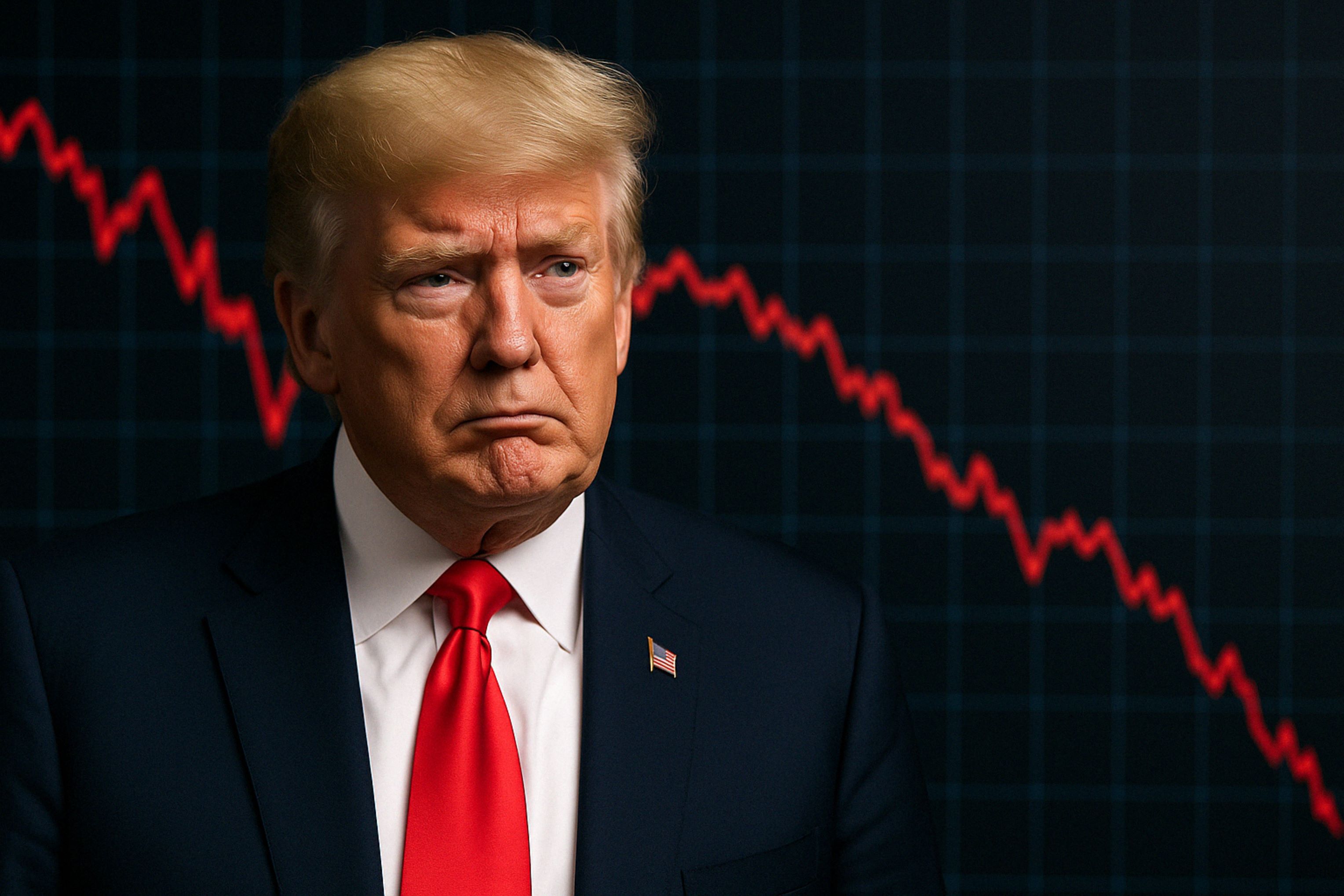
AI


Trump’s proposed trade penalties spark volatility, lift gold prices and pressure European stocks
Global markets have come under renewed pressure after Donald Trump revived the threat of import tariffs, raising fears of another sharp sell-off similar to previous trade shocks. Investors are once again moving into safe-haven assets as uncertainty grows across Europe and currency markets.
Trump Threatens New Tariffs on Europe
The latest bout of volatility follows warnings from the US president that he could impose 10% tariffs from 1 February, rising to 25% from 1 June, on imports from eight European countries. The move is aimed at Denmark, Norway, Sweden, France, Germany, the UK, the Netherlands and Finland.
The tariffs are being framed as retaliation for Europe’s refusal to support Trump’s long-standing proposal for the United States to take control of Greenland, a Danish territory.
Markets have seen this playbook before. In April last year, a similar announcement of country-specific tariffs triggered a broad equity sell-off, and investors fear history could be repeating itself.
Safe-Haven Assets Surge
As risk appetite fades, investors have moved quickly into assets traditionally seen as stores of value.
The rally reflects concerns over escalating trade tensions, geopolitical risk and the potential impact on global growth.
Pound Rises as Dollar Weakens
Trade uncertainty has also weighed on the US dollar. Sterling strengthened, with £1 trading close to $1.34, as investors reassessed the outlook for US trade policy and economic stability.
Currency markets often react sharply to tariff threats, particularly when they involve major trading partners and raise the risk of retaliatory measures.
European Stock Markets Fall
While US stock markets were closed for a public holiday, European equities reacted swiftly.
In the UK, the FTSE 100 fell around 0.5%, reflecting weaker sentiment across the region.
Losses were particularly pronounced in Scandinavia:
The broad sell-off highlights how exposed European markets are to renewed trade tensions with the US.
Greenland at the Centre of the Dispute
The market reaction has been amplified by the political rhetoric surrounding Greenland. In a letter circulated among European diplomats, Trump reportedly linked the issue to global security and NATO, questioning Denmark’s ability to defend the territory from Russia or China.
He also suggested that Europe’s refusal to award him the Nobel Peace Prize had freed him to prioritise US interests more aggressively, including economic pressure on allies.
Denmark has firmly rejected any suggestion of selling Greenland, while European officials have warned that further escalation would have serious consequences for transatlantic relations.
Why Markets Are Nervous
Investors are particularly sensitive to tariff threats because of their unpredictable economic impact. Higher import taxes can:
With memories of previous tariff-driven sell-offs still fresh, markets have reacted quickly to price in higher risk.
Outlook: Volatility Likely to Persist
The sharp move into gold and the sell-off in European equities suggest investors are bracing for further uncertainty. Unless tensions ease or negotiations begin, markets could remain volatile in the days ahead.
For now, Trump’s renewed tariff threats have reintroduced a familiar risk into global markets — one that investors know can escalate quickly and leave lasting damage if left unresolved.
Sources: (SKY.com, Investing.com)

Tradable assets:
Min.Deposit:
Max Leverage:
FCA:

Rating:
 Earnings Calendar
  Economic Calendar
  VAT Calculator
  Tax Free Childcare Calculator
 Percentage Calculator
 Compound Interest Calculator
  Loan Overpayment Calculator
 Mortgage Calculator
 Credit Card Calculator
 Investing
  Economics
 Trading
  Technical Analysis
  Personal Finance
 Calculator