Analysis
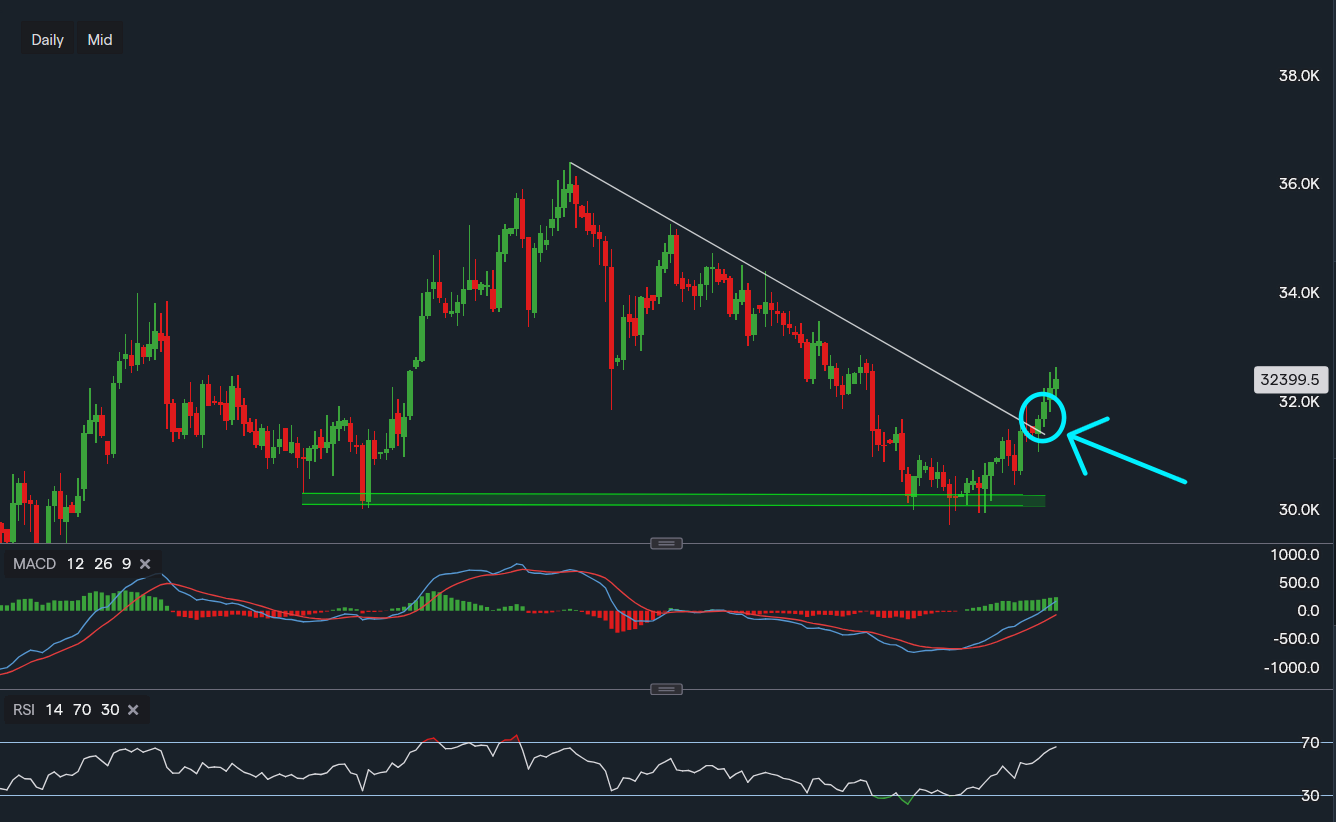
American Express (AXP) Stock Forecast: Technical Analysis Ahead of Earnings
$323.99
22 Oct 2026, 19:04
Neutral


Join Minipip Academy and access free courses in investing, trading, economics, and more.
Sign Up
AI Generated


UK housebuilder signals stronger 2026 home sales as demand improves despite economic uncertainty
Shares in UK housebuilder Persimmon surged more than 10% after the company reported stronger-than-expected full-year profits and revealed that early sales in 2026 are already running ahead of last year.
The York-based developer, Britain’s largest housebuilder by market value, said its performance improved across several key metrics in 2025, including home completions, revenue and profitability.
The positive outlook for 2026 helped boost investor confidence, pushing Persimmon’s share price sharply higher in early trading.
Key Financial Results for 2025
Persimmon reported results above its own guidance for the year ending 31 December 2025.
Key highlights include:
Chief executive Dean Finch said the company delivered a strong performance in 2025, driven by higher sales volumes and improved profitability.
Early 2026 Sales Signal Market Recovery
Persimmon also reported encouraging early indicators for the UK housing market in 2026.
During the first nine weeks of the year:
The company now expects to complete between 12,000 and 12,500 homes in 2026, indicating continued growth if market conditions remain stable.
Costs, Cash Position and Land Investment
Despite strong sales performance, Persimmon highlighted several financial pressures.
Important developments include:
To support future growth, Persimmon increased secured funding capacity to £1 billion in early 2026.
The company also added 16,309 new land plots, bringing total holdings to nearly 85,000 plots across the UK.
What This Means for Share Prices and Investors
The strong results triggered a sharp rally in Persimmon’s share price, reflecting renewed investor confidence in the UK housebuilding sector.
Several factors may support the company’s valuation:
However, investors will also watch several risks:
For the wider stock market, strong housebuilder earnings can often signal improving conditions in the UK property sector. Positive results from Persimmon may therefore support sentiment towards other listed developers.
Outlook for the UK Housing Sector
Persimmon expects full-year profit before tax in 2026 to be roughly in line with market forecasts of around £470 million, assuming external risks such as geopolitical tensions remain limited.
With forward sales already improving and build cost inflation stable at around 2–3%, the company believes the housing market could continue recovering gradually.
For investors, the coming months will provide a clearer indication of whether stronger demand in early 2026 marks the start of a broader recovery for the UK housebuilding industry.
Sources: (Investing.com, BBC.co.uk)

Tradable assets:
Min.Deposit:
Max Leverage:
FCA:

Rating:
 Earnings Calendar
  Economic Calendar
  VAT Calculator
  Tax Free Childcare Calculator
 Percentage Calculator
 Compound Interest Calculator
  Loan Overpayment Calculator
 Mortgage Calculator
 Credit Card Calculator
 Investing
  Economics
 Trading
  Technical Analysis
  Personal Finance
 Calculator