News
What Labour’s Leaked Plans Could Mean for Your Money
10 Oct 2026, 12:26


Join Minipip Academy and access free courses in investing, trading, economics, and more.
Sign Up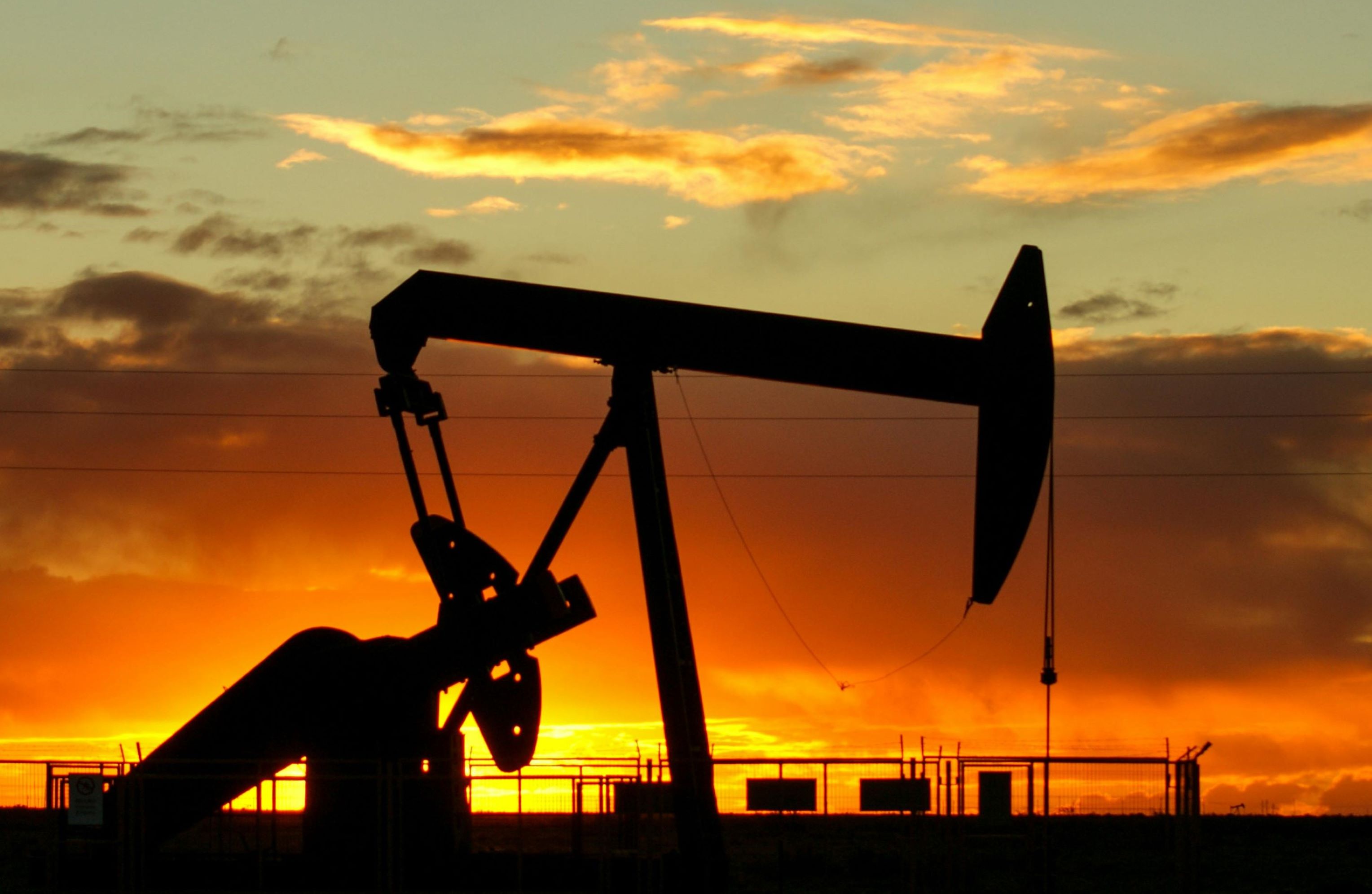
Pexels.com


Iran Tensions and Strait of Hormuz Risks Could Trigger Energy Market Volatility
Global oil markets are facing increasing pressure as crude inventories fall towards some of the lowest levels seen in more than a decade, raising concerns about supply shortages and sharp price swings.
According to analysts at UBS, global oil inventories fell from around 8.2 billion barrels in February to approximately 7.8 billion barrels by the end of April. The bank now expects stockpiles to decline further towards 7.6 billion barrels, close to historic lows.
The decline has been slower than initially expected due to several temporary factors, including:
However, UBS believes many of these short-term support measures are now fading, leaving global energy markets increasingly vulnerable.
One of the biggest risks remains the Strait of Hormuz, a critical shipping route connecting the Persian Gulf to global markets. Around 20% of the world’s oil supply passes through the narrow waterway each day, according to estimates from the US Energy Information Administration.
Any prolonged disruption to shipping in the region could have major consequences for global oil prices, inflation and economic growth.
UBS warned that tightening inventories could lead to:
The bank also suggested that Iran may benefit strategically from prolonged uncertainty. The longer global supplies remain tight, the greater the economic pressure on Western governments to negotiate a deal that helps stabilise oil flows and reduce tensions in the Middle East.
Energy markets are already reacting to ongoing geopolitical uncertainty involving Iran, Israel, the United States and shipping routes in the Gulf region.
Additional factors influencing the oil market include:
Brent crude prices have remained highly sensitive to geopolitical developments over the past year, with traders closely monitoring inventory data and shipping disruptions.
Analysts also note that lower oil inventories reduce the market’s ability to absorb unexpected shocks. In previous periods of tight supply, even small disruptions have triggered significant price spikes.
For consumers, sustained higher oil prices could lead to increased costs for petrol, heating, logistics and airline travel. Businesses with high energy usage may also face margin pressure if fuel costs continue rising.
Conclusion for Investors
For investors, tightening oil inventories and geopolitical tensions create both risks and opportunities. Energy companies, oil producers and commodity-linked investments may benefit if crude prices continue climbing.
However, higher oil prices can also increase inflation, reduce consumer spending and create volatility across wider financial markets. Investors should monitor developments surrounding Iran, the Strait of Hormuz and OPEC+ production decisions closely.
Energy market instability could remain a major theme for global investors throughout 2026, particularly if supply disruptions worsen or geopolitical tensions escalate further.
Sources: (Investing.com, Reuters.com)

Tradable assets:
Min.Deposit:
Max Leverage:
FCA:

Rating:
 Earnings Calendar
  Economic Calendar
  VAT Calculator
  Tax Free Childcare Calculator
 Percentage Calculator
 Compound Interest Calculator
  Loan Overpayment Calculator
 Mortgage Calculator
 Credit Card Calculator
 Investing
  Economics
 Trading
  Technical Analysis
  Personal Finance
 Calculator