Analysis
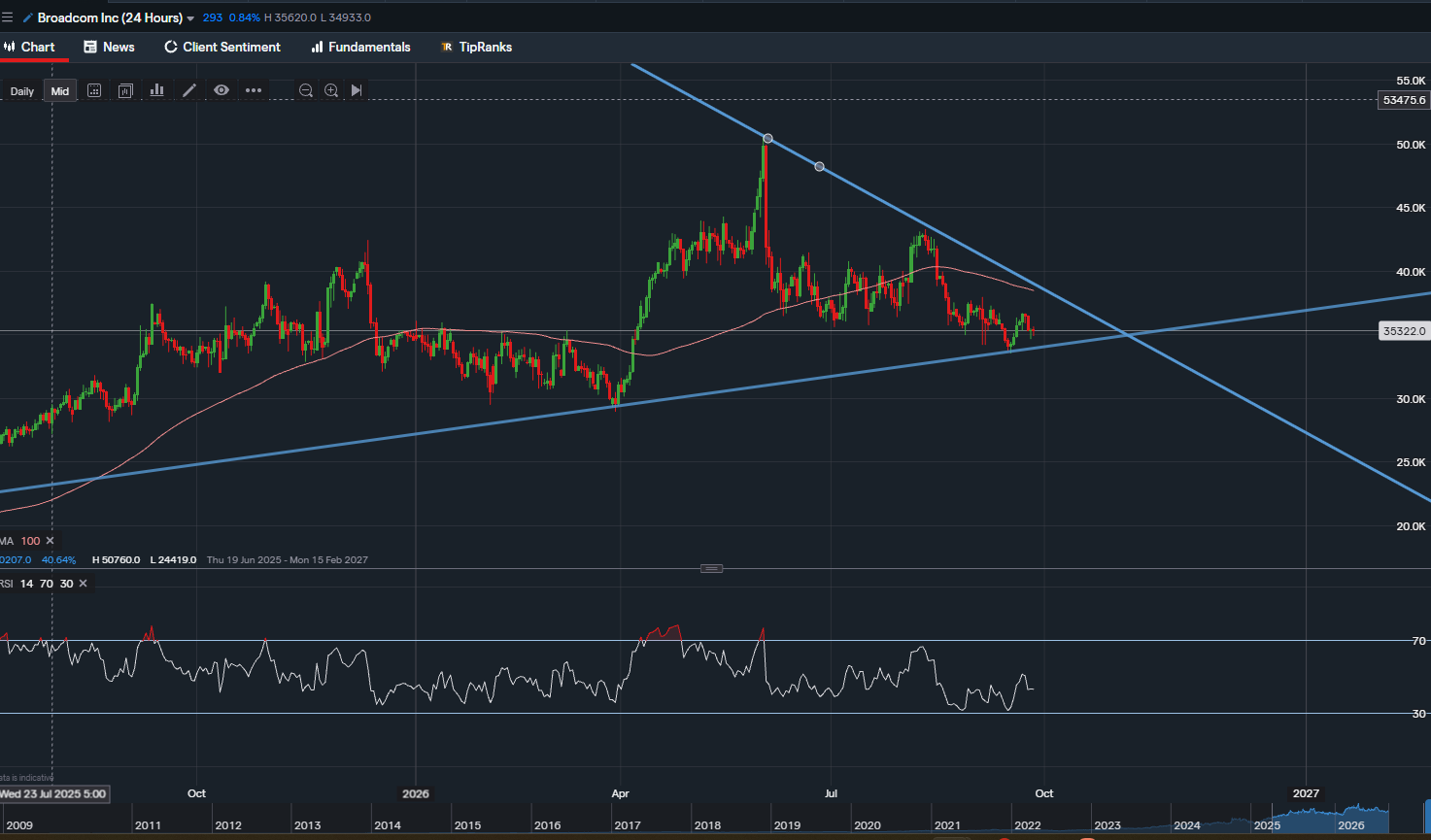
Broadcom Holds Long Term Support as Two Trend Lines Close In
$353
28 Sep 2026, 13:00
Neutral


Join Minipip Academy and access free courses in investing, trading, economics, and more.
Sign Up
AI


Rising geopolitical tensions, inflation risks and economic data shape investor outlook
Markets Edge Higher Despite Ongoing Iran Conflict
Global markets showed signs of resilience as U.S. futures moved higher ahead of the final trading day of the quarter. Optimism has been supported by reports that Donald Trump may consider ending military action in Iran sooner than expected.
However, investors remain cautious. The ongoing conflict continues to create uncertainty, particularly around energy supply and inflation pressures.
Why Markets Are Moving Right Now
Several key developments are influencing market sentiment:
Oil Prices Surge Above $110 – What It Means
Oil markets remain the biggest driver of current volatility:
Impact on markets and share values:
Strait of Hormuz: A Critical Risk Factor
The Strait of Hormuz remains central to global energy markets:
If access remains restricted, markets may continue to price in a risk premium, keeping oil prices—and inflation—high.
Key Economic Data to Watch
Investors are also closely monitoring economic indicators:
U.S. Job Openings (JOLTS Report)
Why this matters for share prices:
Eurozone Inflation in Focus
Inflation data from the euro area will be another major driver:
Market implications:
Final Outlook: Volatility Likely to Continue
Markets are balancing short-term optimism with longer-term risks:
What this means for investors:
Overall, while markets are showing resilience, the combination of war, inflation and economic uncertainty suggests that caution remains essential in the months ahead.
Sources: (SKY.com, BBC.com, Investing.com)

Tradable assets:
Min.Deposit:
Max Leverage:
FCA:

Rating:
 Earnings Calendar
  Economic Calendar
  VAT Calculator
  Tax Free Childcare Calculator
 Percentage Calculator
 Compound Interest Calculator
  Loan Overpayment Calculator
 Mortgage Calculator
 Credit Card Calculator
 Investing
  Economics
 Trading
  Technical Analysis
  Personal Finance
 Calculator