Analysis
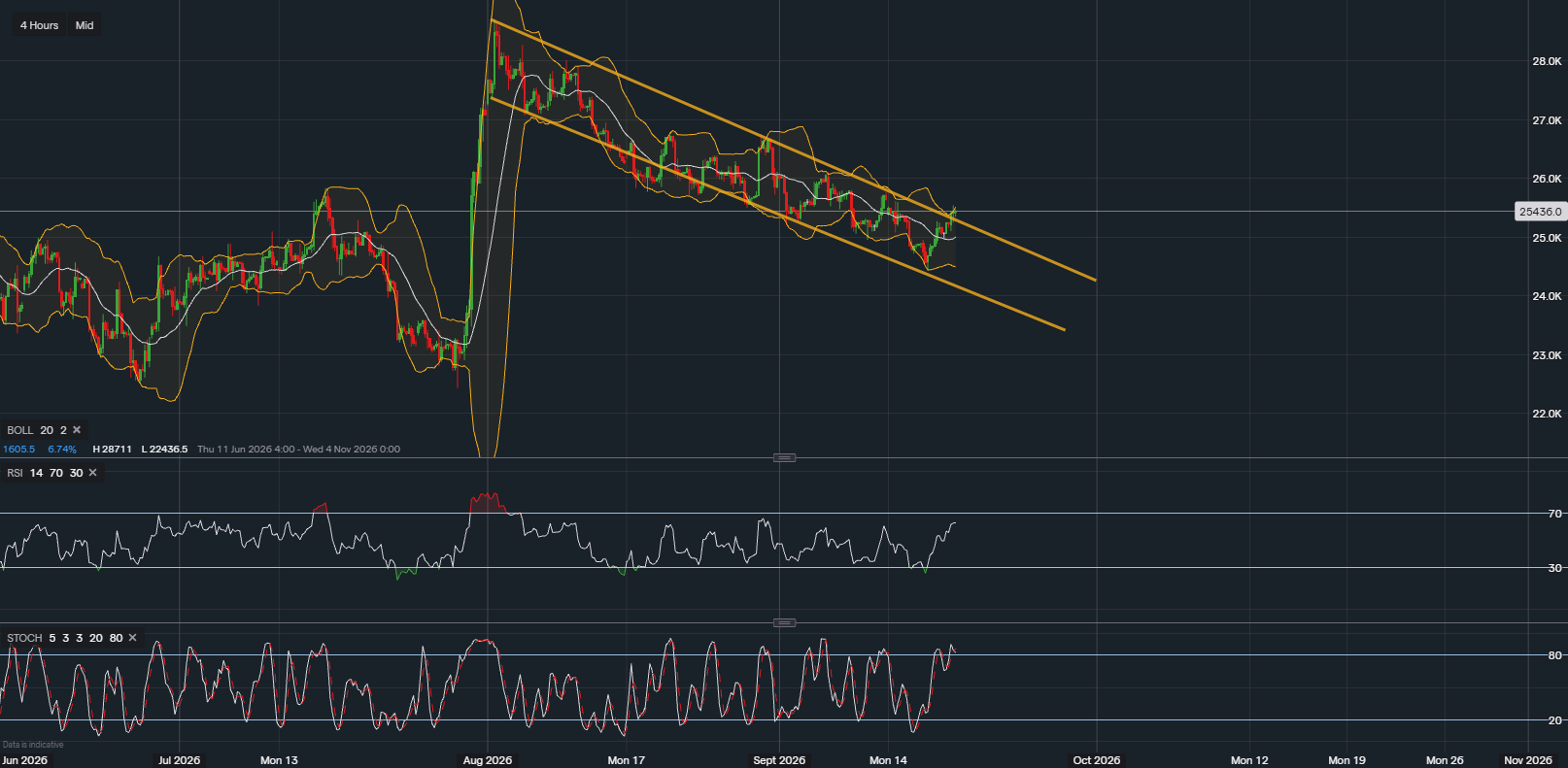
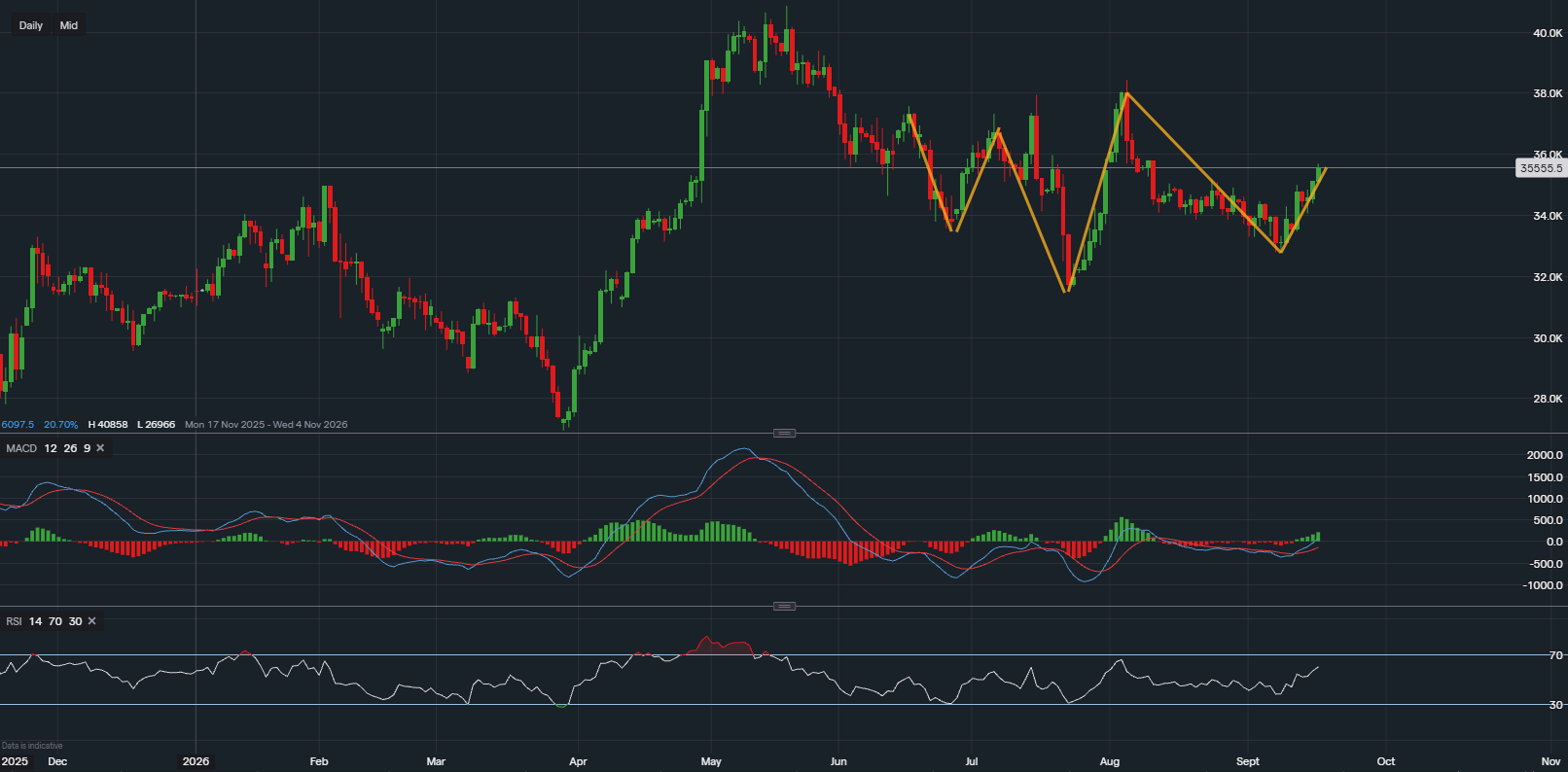
Amazon Stock Analysis: Can the Bullish Reversal Continue?
$254.36
19 Sep 2026, 12:29
Bullish


Join Minipip Academy and access free courses in investing, trading, economics, and more.
Sign Up
Unsplash.com


Weak demand, policy shifts and margin strain force Chinese carmakers to rethink growth plans
China’s automotive sector is facing a challenging start to 2026, with weakening demand and policy-driven changes disrupting growth expectations. According to analysts at Morgan Stanley, the industry is entering a period of slower sales, tighter margins and increased reliance on overseas markets.
Chinese Car Sales Set to Fall in Early 2026
Momentum in China’s new car market has faded sharply. Morgan Stanley forecasts that passenger vehicle sales will decline by 5–7% year on year in the first quarter of 2026, signalling a difficult start to the year.
January and February sales combined are expected to be more than 15% lower than the same period last year. Early indicators suggest particularly weak demand at the beginning of the year, a trend analysts describe as a “cold start” to 2026.
EV Demand Weakens as Orders Drop
The slowdown is especially visible in the electric vehicle market. Channel checks show that order intake at major EV manufacturers has fallen 30–40% month on month, highlighting how quickly demand has cooled.
Instead of relying on aggressive price cuts and subsidies, carmakers are now prioritising de-stocking existing inventory. Many manufacturers are expected to focus on clearing stock before accelerating new model launches after the Lunar New Year.
Auto Stocks Likely to Underperform Near Term
While improving liquidity has helped support broader Chinese equity markets, Morgan Stanley expects the auto sector to lag behind in the near term.
Auto shares are likely to remain volatile and drift lower ahead of the Lunar New Year as investors adjust to weaker sales data and reduced earnings visibility. The bank warns that original sales plans for 2026 have been significantly disrupted.
Pockets of Relative Strength Remain
Despite the broader slowdown, some areas of the sector are better positioned than others.
Morgan Stanley highlights companies linked to smart driving and autonomous technology as relatively resilient, including:
Export-focused manufacturers are also seen as better positioned. Carmakers such as BYD, Geely and SAIC Motor may benefit from geographic diversification, helping offset domestic weakness and political pressure at home.
Profit Margins Under Growing Pressure
The outlook for profitability is deteriorating. Analysts expect many automakers to lower their 2026 earnings guidance as several challenges converge:
Pricing negotiations with suppliers are ongoing, and some component manufacturers may absorb part of the cost pressure to avoid order cancellations. Even so, Morgan Stanley expects one to two quarters of revenue and margin contraction, alongside cash burn, before the sector adapts to what it describes as a “new normal”.
Exports Key to 2026 Growth
For the full year, Morgan Stanley forecasts that China’s auto sales will fall around 3% year on year in 2026, ending a three-year expansion streak. Domestic volumes are expected to drop 5–7%, while export growth of about 16% should partially offset the decline.
Overseas markets are becoming increasingly important, particularly Europe. Analysts note that discussions around minimum pricing for Chinese battery electric vehicles, rather than tariffs, could support further expansion in the region.
Policy Support Remains a Possibility
With China’s 5% GDP growth target still in focus, additional government stimulus remains an option if conditions in the auto sector deteriorate further.
For now, however, 2026 is shaping up to be a year of adjustment for China’s carmakers, marked by slower growth, tighter margins and a greater reliance on exports to sustain performance.
Sources : (Investing.com, Reuters.com)

Tradable assets:
Min.Deposit:
Max Leverage:
FCA:

Rating:
 Earnings Calendar
  Economic Calendar
  VAT Calculator
  Tax Free Childcare Calculator
 Percentage Calculator
 Compound Interest Calculator
  Loan Overpayment Calculator
 Mortgage Calculator
 Credit Card Calculator
 Investing
  Economics
 Trading
  Technical Analysis
  Personal Finance
 Calculator