Analysis
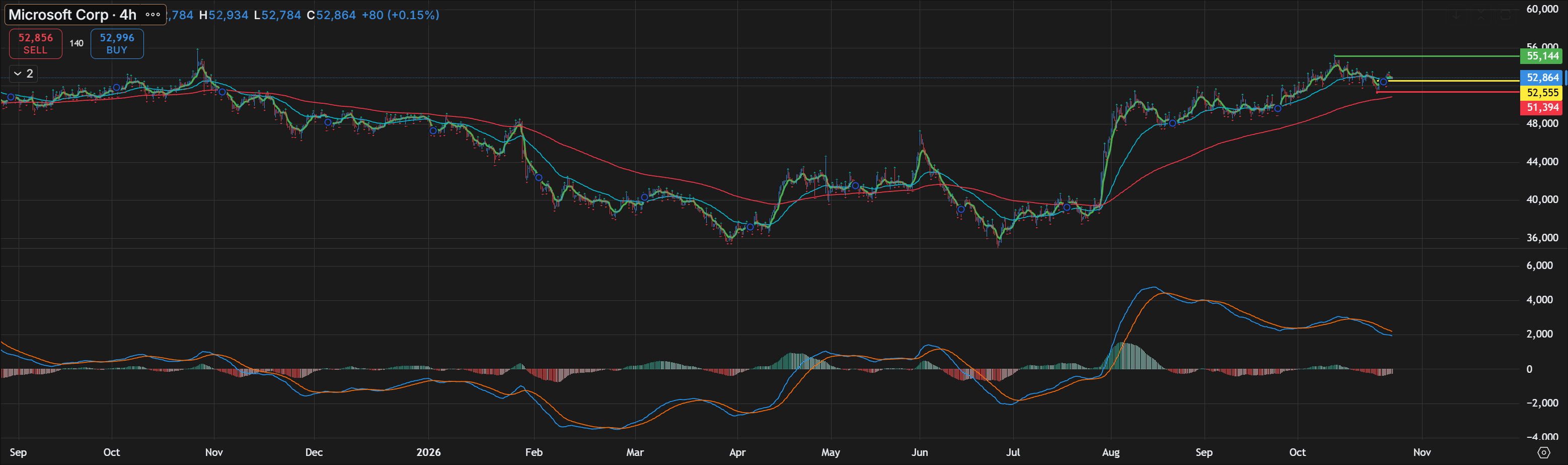
Microsoft Stock Analysis: Can MSFT Continue Its Rally Ahead of Earnings?
$532.60
27 Oct 2026, 12:54
Neutral


Join Minipip Academy and access free courses in investing, trading, economics, and more.
Sign Up
Pexels.com


What the Bank of England’s latest cut means for mortgages, savings and future rate decisions
UK interest rates have been cut again, but the outlook for further reductions in 2026 remains uncertain. The Bank of England has lowered its base rate from 4% to 3.75%, the lowest level since February 2023, raising fresh questions for homeowners, borrowers and savers.
Why Do Interest Rates Change?
Interest rates determine the cost of borrowing and the return on savings. The Bank of England’s base rate is the rate it charges commercial banks and building societies, which in turn influences mortgage rates, loan costs and savings returns.
The Bank adjusts rates to keep inflation close to its 2% target. When inflation is high, rates tend to rise to reduce spending. When inflation falls, rates may be cut to support economic growth.
What Is Happening to UK Inflation?
Inflation has eased significantly from its peak of 11.1% in October 2022, but progress has slowed.
The Consumer Prices Index (CPI) stood at 3.4% in December 2025, up slightly from 3.2% the previous month and above expectations. According to the Office for National Statistics, the increase was driven by higher tobacco prices and more expensive air fares over the festive period.
This stubborn inflation complicates decisions on further rate cuts.
Will UK Interest Rates Fall Again?
Economists are divided on whether the Bank will cut rates again when it meets in February 2026.
Although the December cut was widely expected, it passed narrowly, with five out of nine members of the Monetary Policy Committee voting in favour.
Bank of England Governor Andrew Bailey said rates are still on a “gradual downward path”, but warned that each additional cut will be more finely balanced. Rising inflation, global political uncertainty and the impact of US trade tariffs could all limit how far and how fast rates can fall.
How Rate Changes Affect Mortgages
Interest rates directly influence mortgage costs, but the impact varies by deal type.
A 0.25 percentage point cut typically reduces monthly repayments by:
Most borrowers are on fixed-rate deals. While their payments do not change immediately, future deals are affected. As of late January, Moneyfacts reports:
Around 800,000 low-rate fixed mortgages are due to expire each year until 2027, meaning many households will still face higher borrowing costs.
Impact on Loans and Credit Cards
Interest rates also affect credit cards, personal loans and car finance. While lower base rates can reduce borrowing costs, lenders often pass on cuts slowly, so relief may be limited in the short term.
What It Means for Savers
Falling rates are less welcome news for savers. Easy-access savings accounts currently offer an average rate of 2.45%, according to Moneyfacts. Further rate cuts could reduce returns, particularly affecting those who rely on interest income.
How the UK Compares Internationally
The UK has had one of the highest interest rates among G7 nations in recent years.
Global trends suggest rates are easing, but the UK’s path remains more cautious.
What Happens Next?
The next Bank of England decision is due on 5 February 2026. While further cuts are possible later in the year, inflation and global risks mean nothing is guaranteed.
For households and investors, interest rates are likely to fall gradually rather than quickly, with volatility along the way.
Sources: (BBC.co.uk, SKYMoney.com)

Tradable assets:
Min.Deposit:
Max Leverage:
FCA:

Rating:
 Earnings Calendar
  Economic Calendar
  VAT Calculator
  Tax Free Childcare Calculator
 Percentage Calculator
 Compound Interest Calculator
  Loan Overpayment Calculator
 Mortgage Calculator
 Credit Card Calculator
 Investing
  Economics
 Trading
  Technical Analysis
  Personal Finance
 Calculator