Analysis
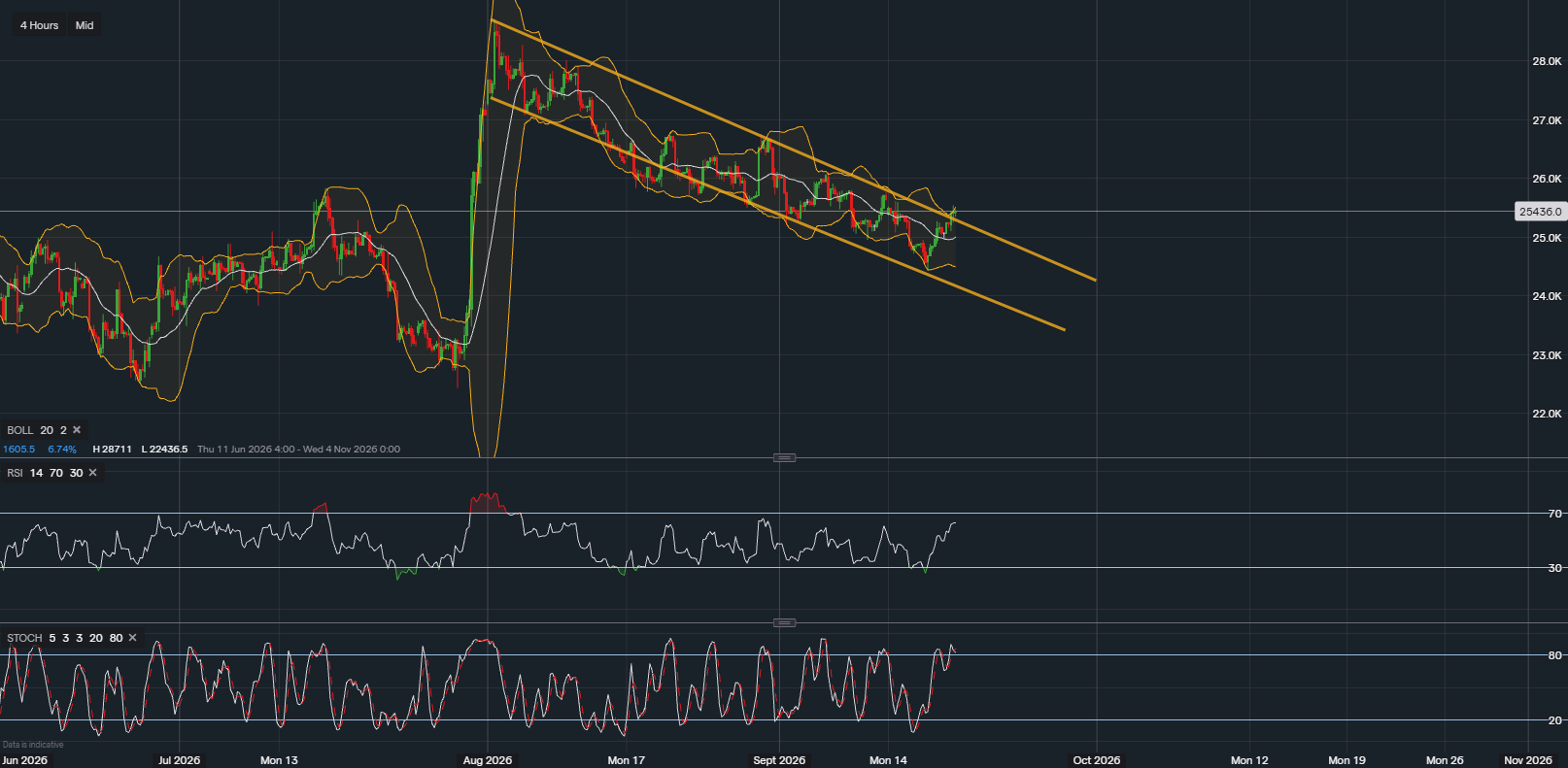
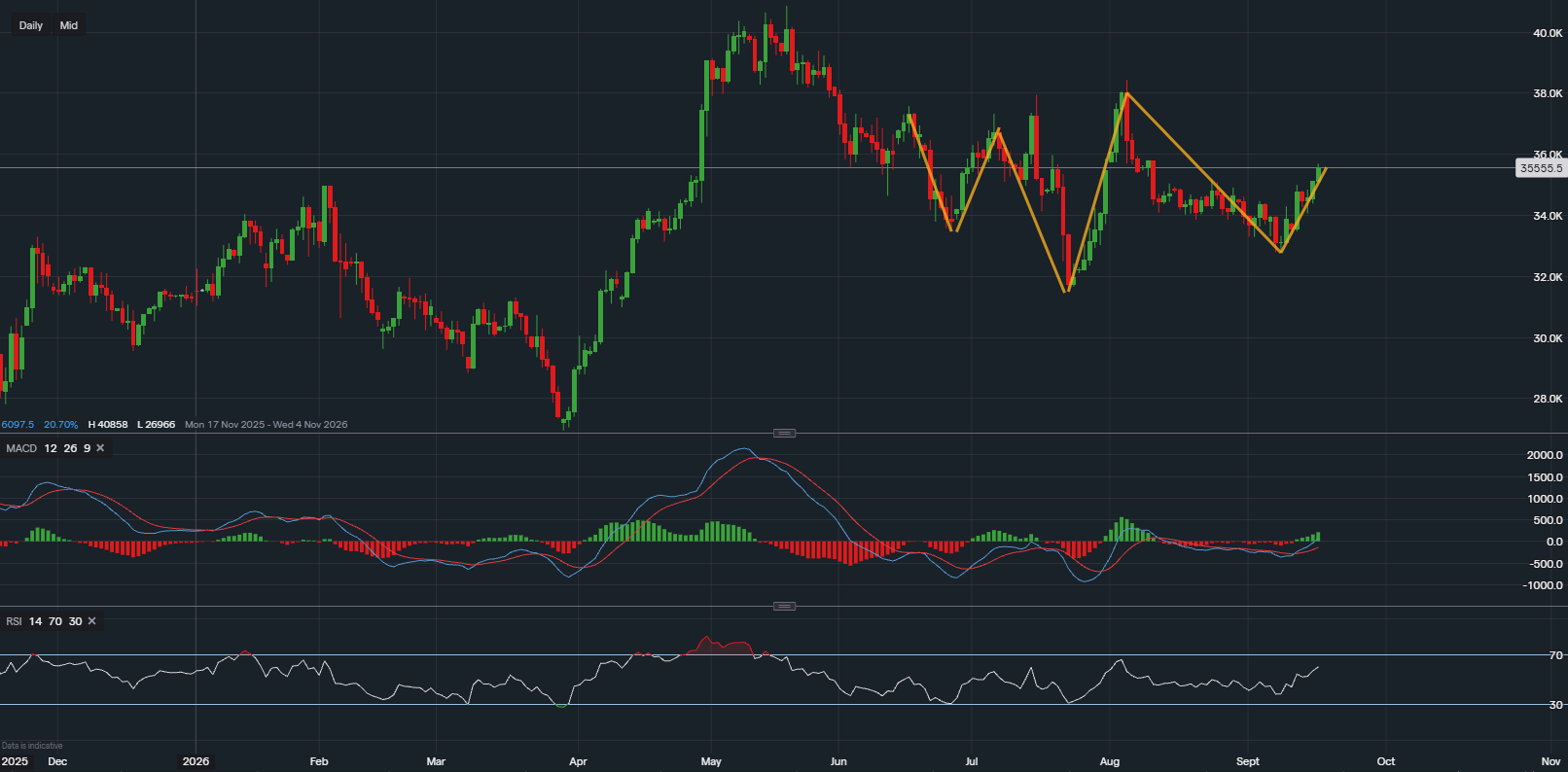
Amazon Stock Analysis: Can the Bullish Reversal Continue?
$254.36
19 Sep 2026, 12:29
Bullish


Join Minipip Academy and access free courses in investing, trading, economics, and more.
Sign Up
Pexels.com


Oil prices fell sharply on Monday after US President Donald Trump called off a planned military strike against Iran and announced that fresh negotiations would begin.
The decision reduced immediate concerns that the conflict could spread across the Middle East and disrupt major oil production facilities and shipping routes.
Brent crude futures fell by around 4.9% to approximately $83.66 a barrel, while US West Texas Intermediate crude dropped by about 5.8% to $79.75 a barrel.
At one point during Asian trading, both oil benchmarks had fallen by more than 6%, reaching their lowest levels in around three weeks.
Despite the latest decline, oil prices remain considerably higher than they were at the beginning of July. Brent and WTI recorded monthly gains of more than 20% during July as tensions across the Middle East increased.
Trump Announces Fresh Negotiations With Iran
Trump said that he had cancelled a planned large-scale US attack after Iran and several Middle Eastern countries requested additional time for negotiations.
According to Trump, any potential agreement would include:
However, Trump also warned that the US remained prepared to take military action if diplomatic talks failed.
This means geopolitical risk has not disappeared completely. Oil prices could remain volatile as traders react to new statements, negotiations and military developments.
Middle East Tensions Had Pushed Brent Above $90
Oil prices rose sharply during the previous week as investors became increasingly concerned that the conflict could spread to important energy-producing areas.
Several incidents raised fears over global energy supplies:
These concerns briefly pushed Brent crude above $90 a barrel.
The Strait of Hormuz is particularly important because a significant amount of global oil and gas supply passes through the waterway. Any disruption could reduce supply and cause prices to rise rapidly.
OPEC+ Production Increase Adds Pressure
Oil prices were also affected by OPEC+ announcing plans to increase production quotas by approximately 188,000 barrels per day from September.
The increase completes the reversal of a series of voluntary production cuts introduced in 2023.
Previous production increases had a limited effect because supply disruptions in Iran, Russia and Kazakhstan restricted the amount of oil reaching the market.
However, the latest decision suggests that OPEC+ remains committed to gradually increasing production as geopolitical concerns begin to ease.
What This Could Mean for Investors and Markets
Lower oil prices could have several effects across financial markets:
For investors and traders, the outlook remains highly sensitive to developments in the Middle East. Diplomacy may reduce the immediate risk of supply disruption, but continued uncertainty means oil and energy shares are likely to remain volatile.
Sources: (CNBC.com, Reuters.com)

Tradable assets:
Min.Deposit:
Max Leverage:
FCA:

Rating:
 Earnings Calendar
  Economic Calendar
  VAT Calculator
  Tax Free Childcare Calculator
 Percentage Calculator
 Compound Interest Calculator
  Loan Overpayment Calculator
 Mortgage Calculator
 Credit Card Calculator
 Investing
  Economics
 Trading
  Technical Analysis
  Personal Finance
 Calculator