Analysis
Broadcom Stock Outlook: Is AVGO Becoming a Buying Opportunity?
$364.30
11 Sep 2026, 15:00
Neutral


Join Minipip Academy and access free courses in investing, trading, economics, and more.
Sign Up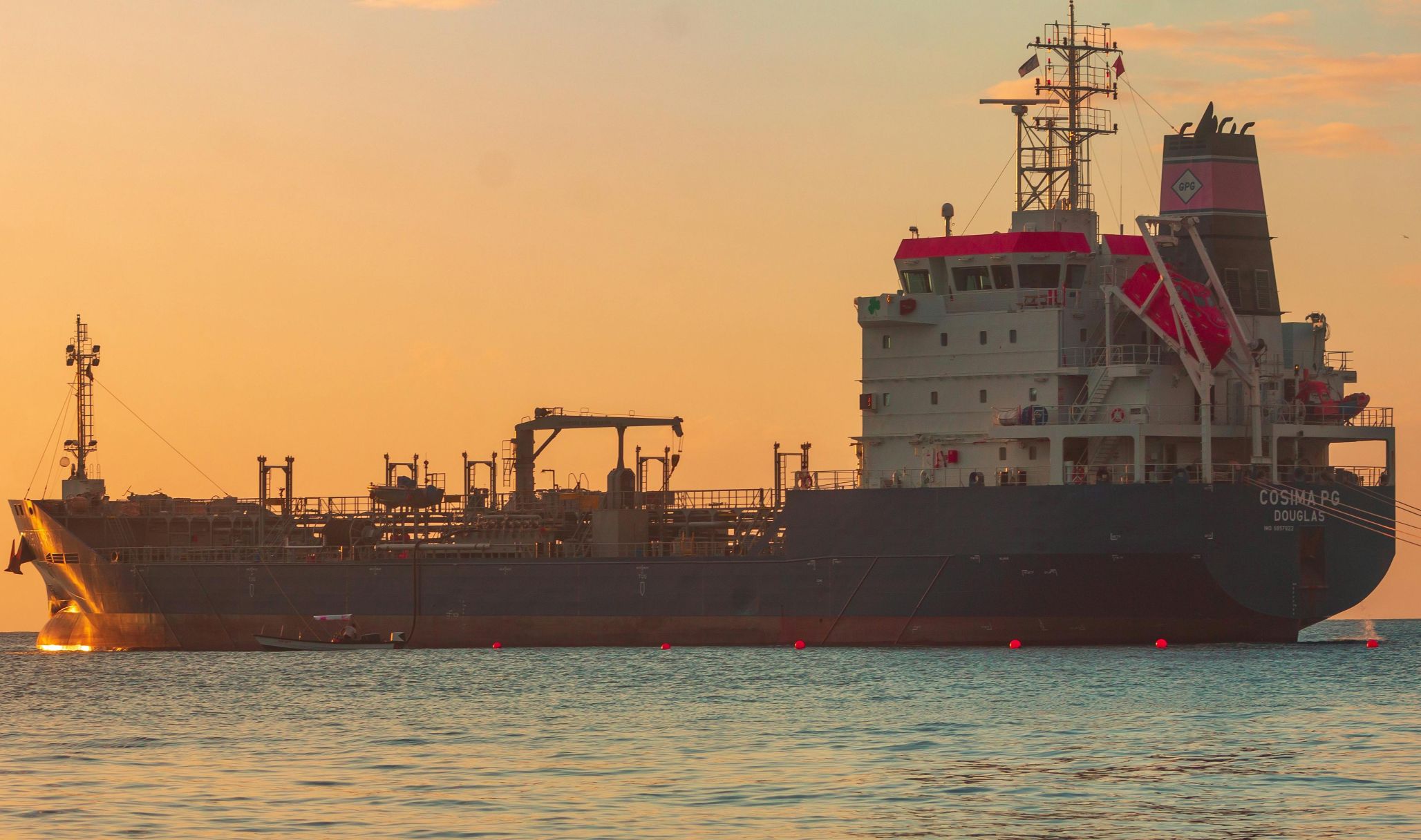
Pexels.com


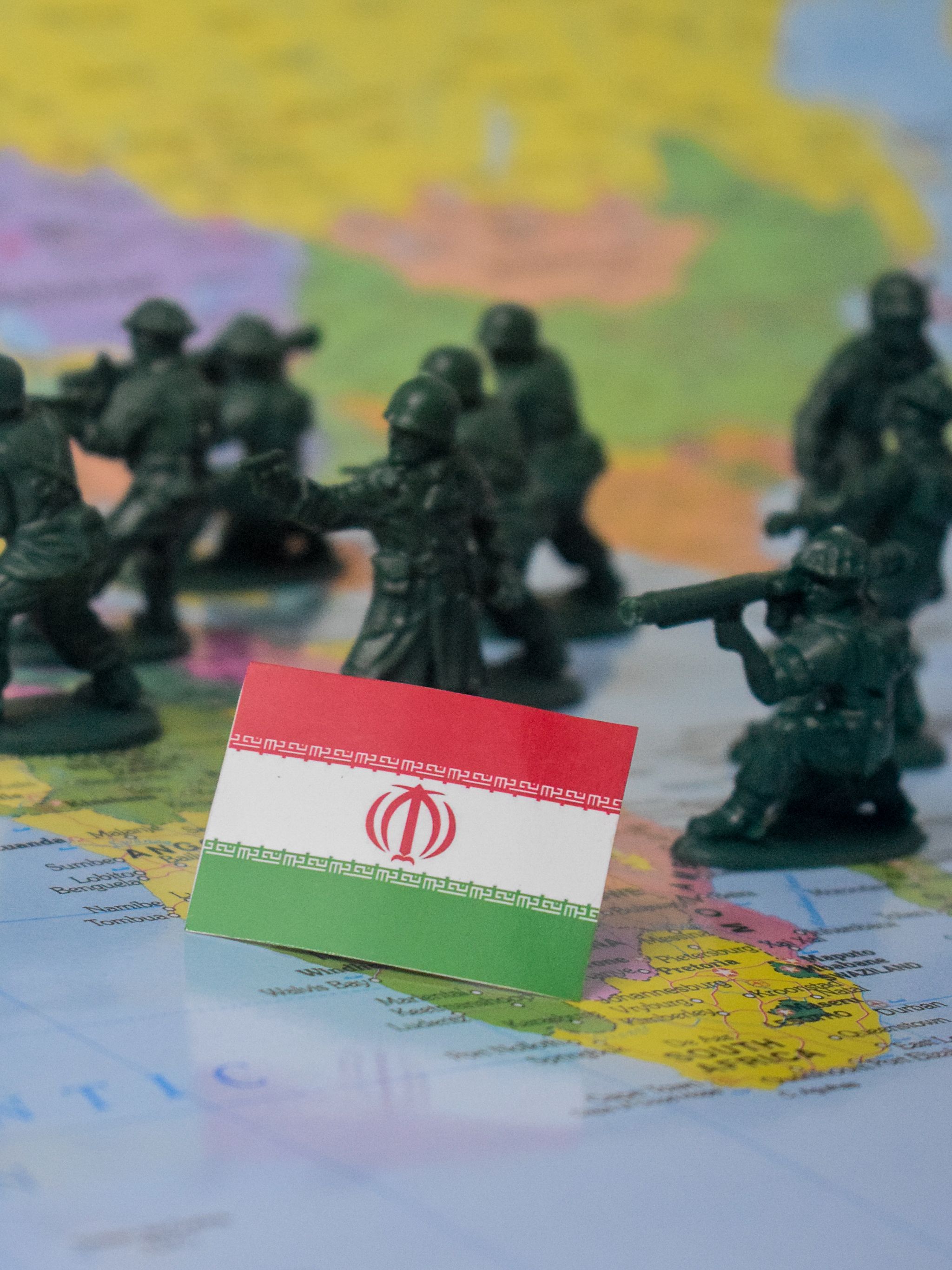
Oil prices have fallen to their lowest levels in more than a week as improving talks between the United States and Iran raised hopes of reduced disruption across major Middle Eastern shipping routes.
Brent crude fell nearly 2% to around $86.61 per barrel, while West Texas Intermediate declined to approximately $81.35.
The decline followed an earlier sharp fall after the US and Iran paused attacks, encouraging investors to price in a greater chance of a diplomatic settlement.
Why Is the Strait of Hormuz Important?
The Strait of Hormuz is one of the world’s most important energy routes, handling approximately 20% of global oil trade.
Any disruption can limit global supply and rapidly increase oil prices. This affects transport costs, inflation and the profitability of businesses across the global economy.
US and Iranian officials have discussed arrangements designed to improve shipping security, with Oman and Saudi Arabia also involved in regional talks.
Shipping activity through Bab el-Mandeb has increased, although traffic through the Strait of Hormuz remains limited.
Risks Have Not Disappeared
Despite improving diplomatic signals, the situation remains unstable.
Recent attacks on Saudi infrastructure and threats involving Iran-backed groups demonstrate that another escalation remains possible.
Important risks include:
Any breakdown in negotiations could cause oil prices to rise rapidly.
What Could This Mean for Markets and Investments?
Lower oil prices are generally positive for businesses with high fuel costs.
Potential beneficiaries include:
Lower energy costs could also reduce inflation, potentially giving central banks more flexibility over interest rates.
However, declining oil prices may weigh on companies including BP, Shell, ExxonMobil and Chevron if lower prices reduce profit expectations.
For speculators, oil remains highly sensitive to geopolitical headlines. A peace agreement could push Brent towards lower levels, while renewed attacks could produce an immediate reversal.
Investors should therefore consider both the economic benefits of de-escalation and the continuing risk of disruption across the Middle East.
Sources: (Reuters.com)

Tradable assets:
Min.Deposit:
Max Leverage:
FCA:

Rating:
 Earnings Calendar
  Economic Calendar
  VAT Calculator
  Tax Free Childcare Calculator
 Percentage Calculator
 Compound Interest Calculator
  Loan Overpayment Calculator
 Mortgage Calculator
 Credit Card Calculator
 Investing
  Economics
 Trading
  Technical Analysis
  Personal Finance
 Calculator