Analysis
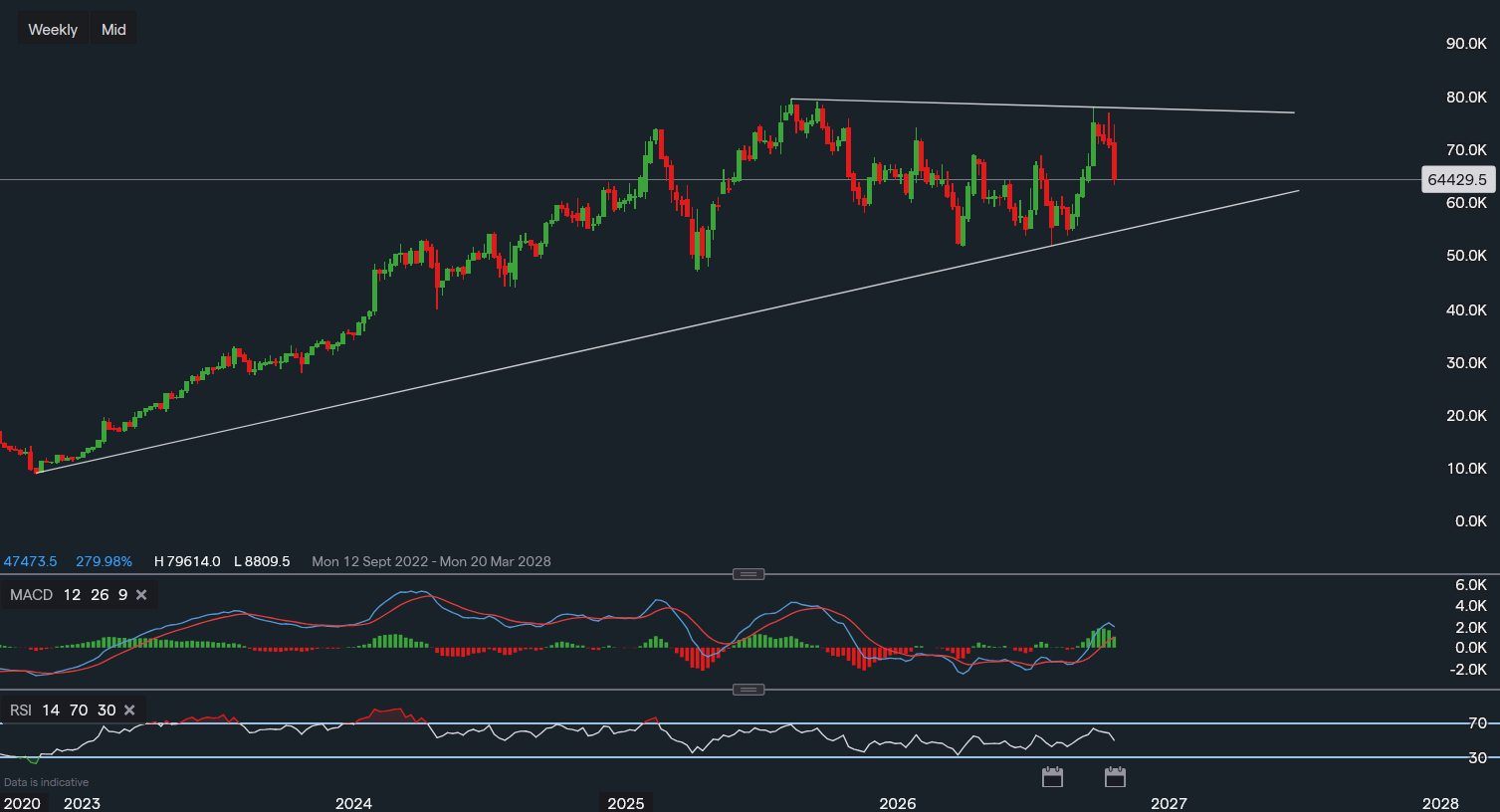
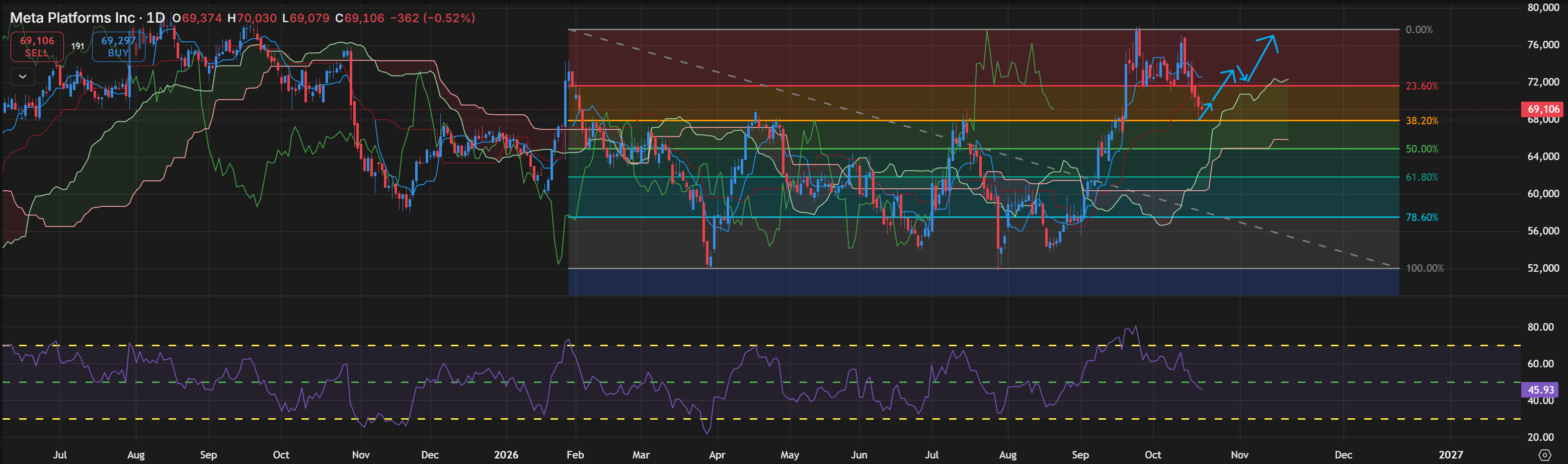
Meta Stock Forecast: META Technical Analysis After Earnings Sell-Off
$644.29
23 Oct 2026, 18:34
Neutral


Join Minipip Academy and access free courses in investing, trading, economics, and more.
Sign Up
Pexels.com


New hybrid computing framework combines quantum processors with classical supercomputers to tackle complex problems beyond current technology
Technology giant IBM has introduced a new quantum-centric supercomputing reference architecture, outlining how quantum processors can work alongside traditional high-performance computers to solve complex scientific and industrial problems.
The blueprint provides a framework for integrating quantum hardware with classical computing infrastructure such as CPUs, GPUs, high-speed networking and cloud platforms. According to IBM, the system is designed to support the next generation of advanced computing workloads across research centres, enterprise environments and cloud systems.
What Quantum-Centric Supercomputing Means
Quantum computing is widely viewed as one of the most transformative technologies of the next decade. However, most real-world applications still require collaboration between quantum processors and traditional computing systems.
IBM’s new architecture focuses on:
According to Jay Gambetta, director of IBM Research, the future of computing will involve quantum processors working alongside classical high-performance computers to address problems that are currently impossible to solve efficiently.
Early Research Applications
Several research collaborations have already demonstrated how the architecture can be applied to real scientific problems.
Recent breakthroughs include:
One of the most notable experiments linked IBM’s Quantum Heron processor with the Fugaku supercomputer in Japan, which contains more than 152,000 classical compute nodes, allowing researchers to simulate complex iron-sulphur molecular clusters.
Potential Applications Across Industries
IBM believes the new architecture could unlock advances in several key sectors:
By combining quantum and classical computing, researchers can potentially analyse extremely large datasets and simulate complex systems far more efficiently than today’s computers.
What This Means for IBM’s Share Value
IBM’s move into quantum-centric supercomputing could strengthen its position in emerging technology markets.
For investors, the announcement highlights several potential implications:
Quantum computing remains an early-stage industry, meaning commercial revenues may take time to materialise. However, companies investing heavily in research and infrastructure today could gain a significant competitive advantage in the future.
Outlook for Quantum Computing
While practical large-scale quantum computing is still developing, the industry is moving rapidly toward hybrid computing models that combine the strengths of classical and quantum systems.
IBM’s quantum-centric supercomputing architecture represents another step towards making these systems usable for real-world scientific and industrial applications.
If successful, the technology could reshape fields ranging from medicine and energy to finance and artificial intelligence — potentially making quantum computing one of the most important technology breakthroughs of the coming decades.
Sources: (Investing.com, Reuters.com)

Tradable assets:
Min.Deposit:
Max Leverage:
FCA:

Rating:
 Earnings Calendar
  Economic Calendar
  VAT Calculator
  Tax Free Childcare Calculator
 Percentage Calculator
 Compound Interest Calculator
  Loan Overpayment Calculator
 Mortgage Calculator
 Credit Card Calculator
 Investing
  Economics
 Trading
  Technical Analysis
  Personal Finance
 Calculator