Analysis
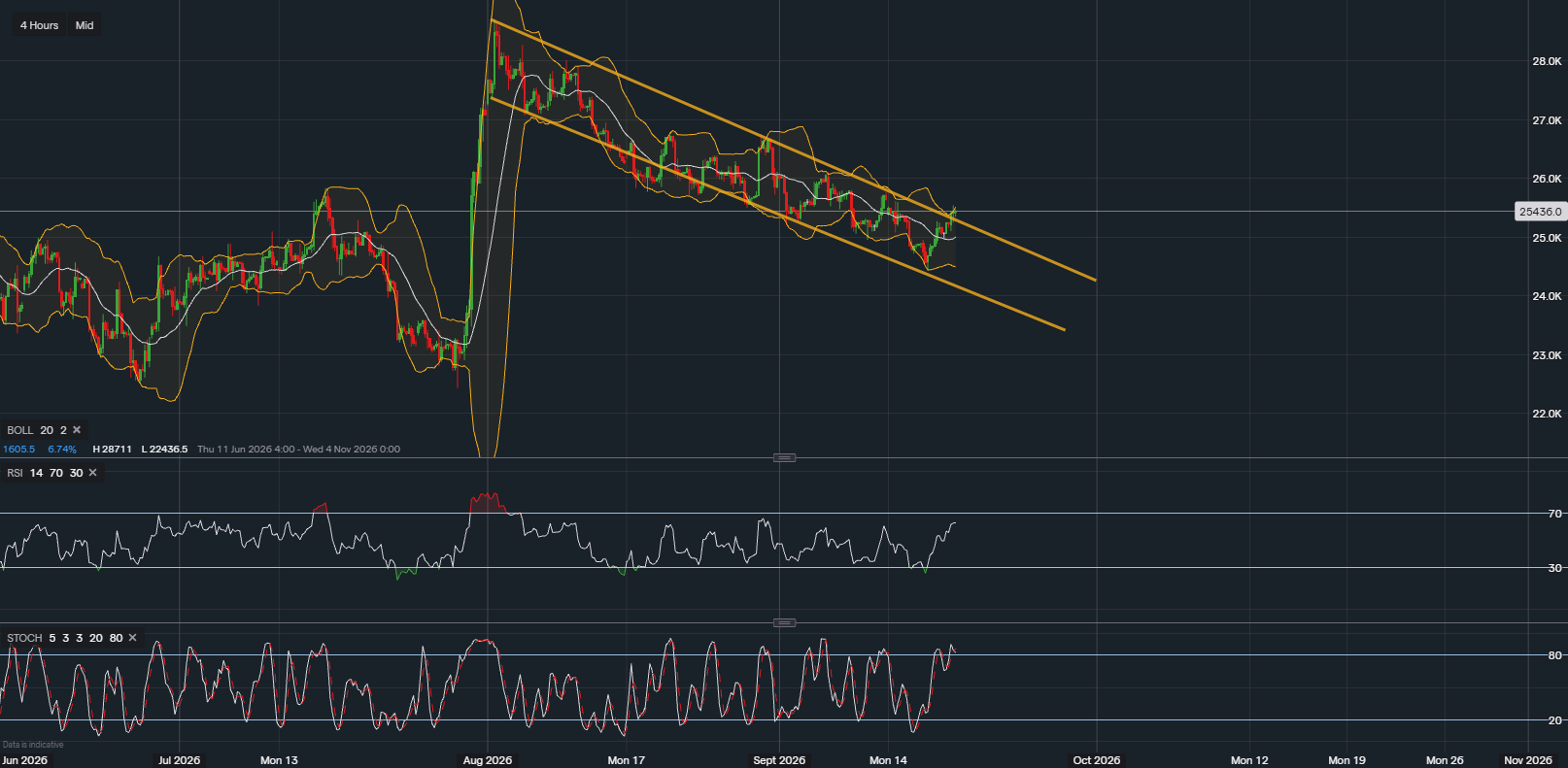
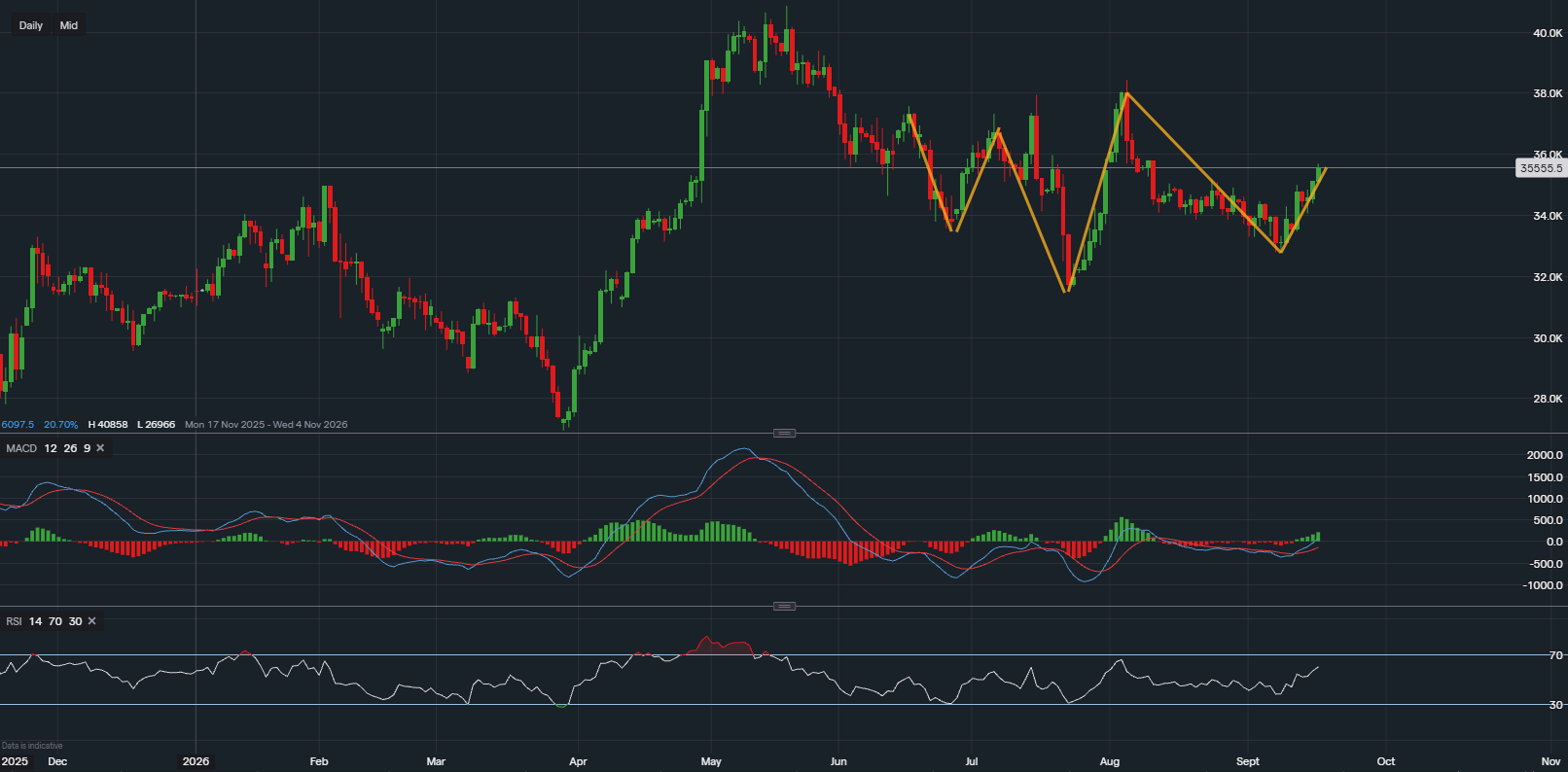
Amazon Stock Analysis: Can the Bullish Reversal Continue?
$254.36
19 Sep 2026, 12:29
Bullish


Join Minipip Academy and access free courses in investing, trading, economics, and more.
Sign Up
AI generated image


Global stock markets moved higher on Tuesday, despite continued uncertainty surrounding the conflict between the United States and Iran.
European shares rose alongside US stock futures, while technology companies recorded some of the strongest gains. However, a rebound in oil prices showed that investors remain doubtful that diplomatic talks will quickly bring the conflict to an end.
Brent crude rose by 1.4% to around $84.95 a barrel after falling by 7% during the previous session.
The recovery followed renewed concerns about shipping through the Strait of Hormuz, one of the world’s most important energy routes. Further attacks on vessels highlighted the continued risk to global oil and gas supplies.
European and US Stocks Move Higher
The European STOXX 600 index rose by around 0.55%, supported by a 1.7% increase in technology shares.
US markets also pointed towards further gains:
The S&P 500 remained close to its record high, supported by strong company earnings and continued investment in artificial intelligence.
Almost two-thirds of S&P 500 companies had reported second-quarter results. Around 84% had beaten earnings expectations, according to figures included in the original report.
Analysts also said that the artificial intelligence investment boom remained strong, helping to support technology shares.
Bond Yields Remain a Concern
Despite rising stock markets, higher government bond yields continue to create uncertainty.
Long-term US Treasury yields reached their highest level in 19 years during the previous week. This followed comments from Federal Reserve Chairman Kevin Warsh, which raised concerns that the central bank may not act aggressively enough to control inflation.
Higher oil prices could add to inflationary pressure by increasing transport, manufacturing and energy costs.
Investors were also waiting for fresh US employment figures, which could influence expectations for future interest-rate decisions.
Yen Weakens After Intervention Rally
The Japanese yen weakened slightly against the US dollar after rising sharply during the previous week.
The dollar gained around 0.4% to trade near 157.80 yen.
However, the yen remained approximately 4% stronger than it had been a week earlier, following coordinated action by the United States and Japan to support the currency.
The intervention was reportedly the first direct US involvement in the Japanese foreign exchange market for 15 years.
Concerns remain that Japan’s loose fiscal policy and the Bank of Japan’s gradual approach to interest-rate increases could place renewed pressure on the yen.
What This Could Mean for Investors and Traders
The current market environment presents both opportunities and risks.
Potential positive factors include:
However, investors should also consider:
Technology and financial shares may continue to benefit if earnings remain strong. Energy companies could also rise if oil prices remain elevated.
However, a sharp rise in crude oil could place pressure on consumer-facing companies and businesses with high fuel or transport costs. Traders should expect continued volatility as markets react to geopolitical news, employment data and central-bank policy.
Sources: (Reuters.com, MarketWatch)

Tradable assets:
Min.Deposit:
Max Leverage:
FCA:

Rating:
 Earnings Calendar
  Economic Calendar
  VAT Calculator
  Tax Free Childcare Calculator
 Percentage Calculator
 Compound Interest Calculator
  Loan Overpayment Calculator
 Mortgage Calculator
 Credit Card Calculator
 Investing
  Economics
 Trading
  Technical Analysis
  Personal Finance
 Calculator