News
What Labour’s Leaked Plans Could Mean for Your Money
10 Oct 2026, 12:26


Join Minipip Academy and access free courses in investing, trading, economics, and more.
Sign Up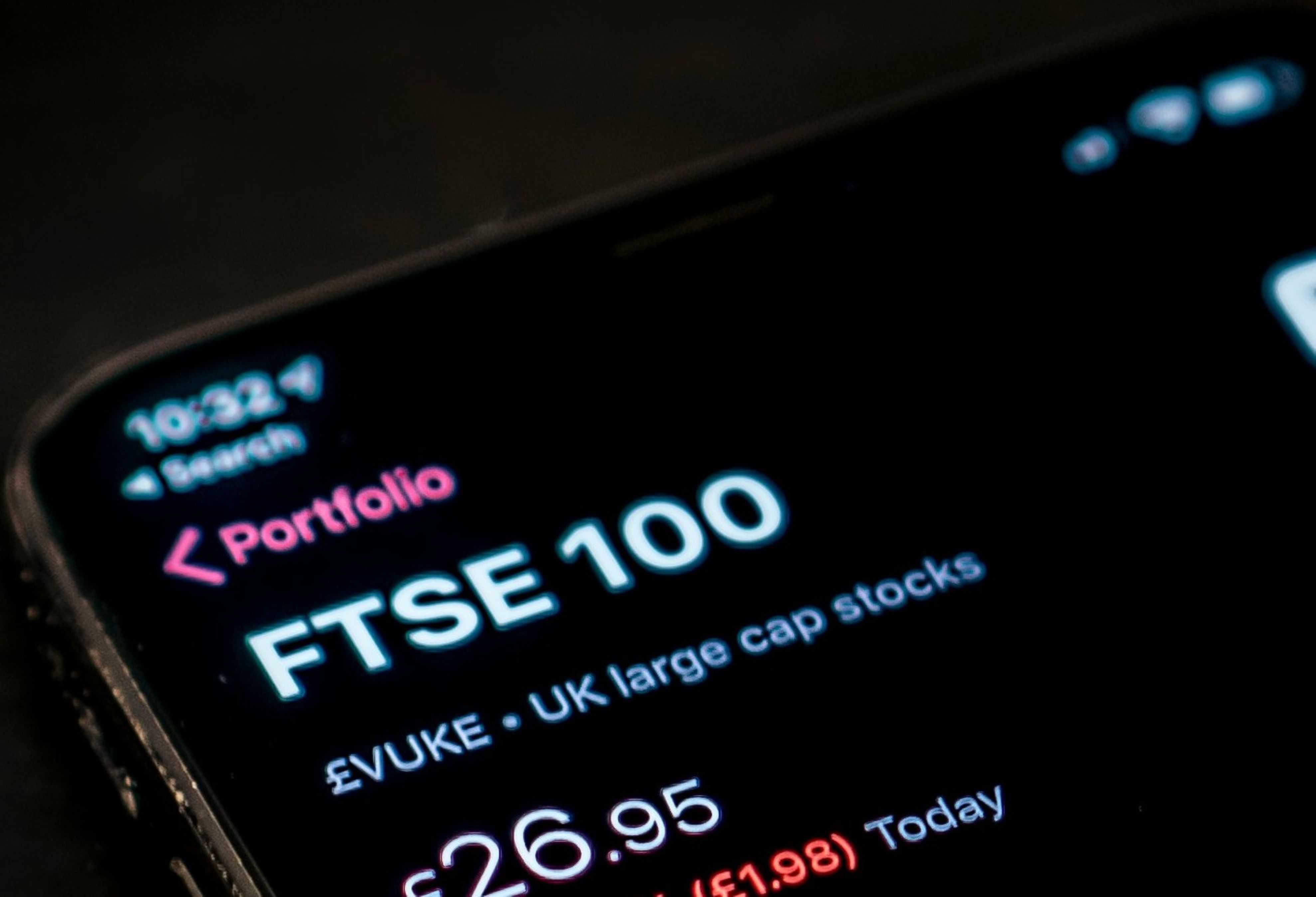
Pexels.com


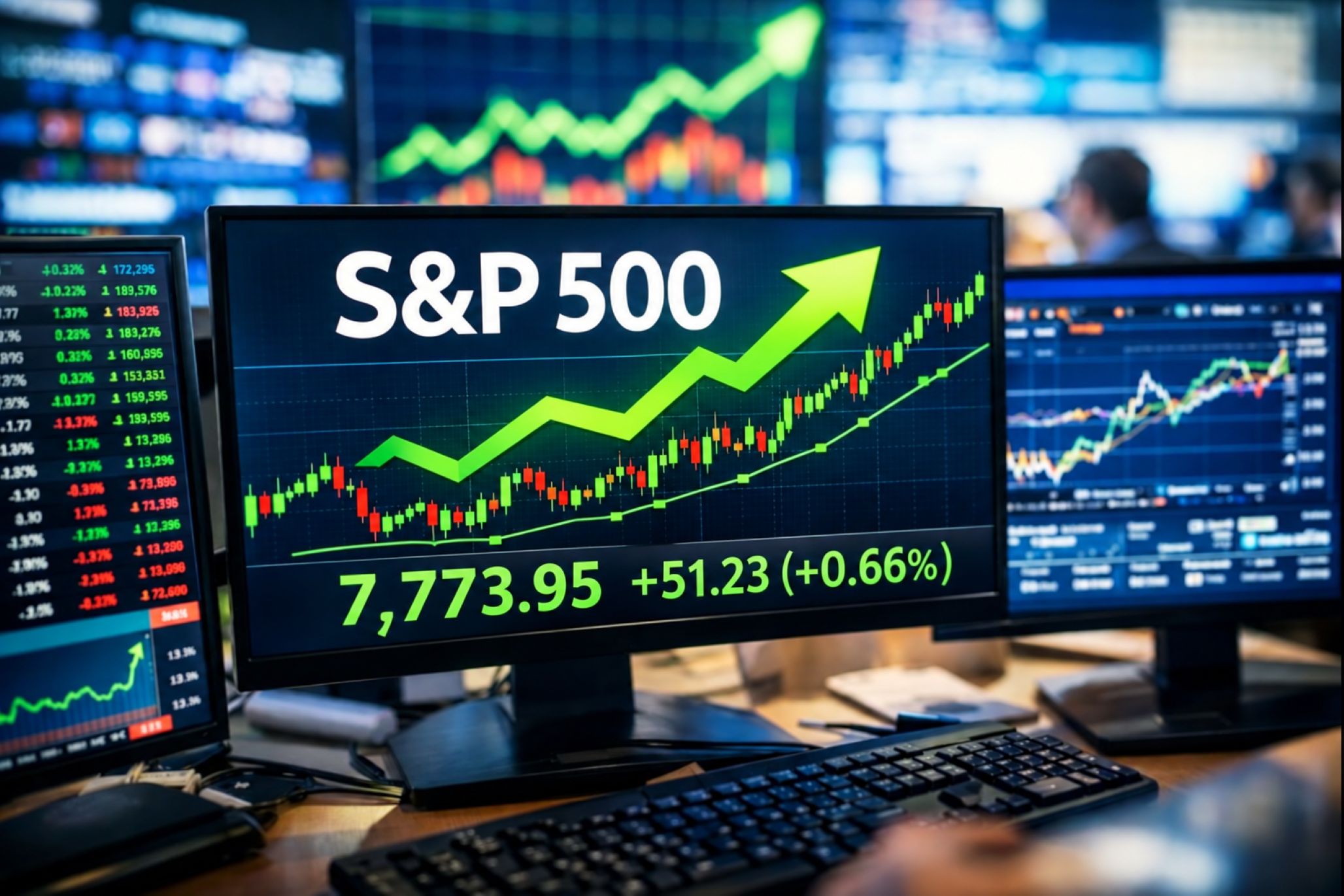
By early trading, the FTSE 100 was up 0.23%, while Germany’s DAX gained 0.24% and France’s CAC 40 rose 0.21%. Sterling also strengthened against the dollar, rising 0.14% to $1.3426.
The modest gains suggest markets were not ignoring geopolitical risks, but were instead reacting positively to signs that regional powers were still trying to prevent a wider conflict. Countries including Qatar, Saudi Arabia, Pakistan, Turkey and Egypt were reported to be involved in efforts to keep diplomatic channels open between Washington and Tehran.
However, the situation remains fragile. Donald Trump said the United States would respond to Iranian-linked attacks on commercial shipping in the Strait of Hormuz, while also stating that Iran must never be allowed to obtain a nuclear weapon. Iran rejected accusations linked to the Strait of Hormuz and continued to describe its nuclear programme as peaceful.
For markets, the Strait of Hormuz remains important because it is a key route for global energy supplies. Any escalation in the region could affect:
In the UK, corporate news also helped drive market attention. Apollo Global made a higher £5.7 billion takeover approach for easyJet, valuing the airline at £7.15 per share. This kept the airline sector in focus and may suggest that private equity investors still see value in UK-listed companies.
Vodafone also drew attention after UAE-based e& agreed to sell its 16.3% stake in the telecoms group to Xavier Niel-backed Vega for $5.95 billion, at a 13% premium. This could suggest continued interest in major UK telecoms assets, even during a period of political and economic uncertainty.
Elsewhere, MJ Gleeson reported annual profit in line with expectations but warned that geopolitical risk and possible UK policy changes could weigh on its 2026 outlook. Recruitment firm Hays gave a more positive update, forecasting 2026 operating profit at the top end of market expectations, supported by cost-cutting despite weaker hiring activity.
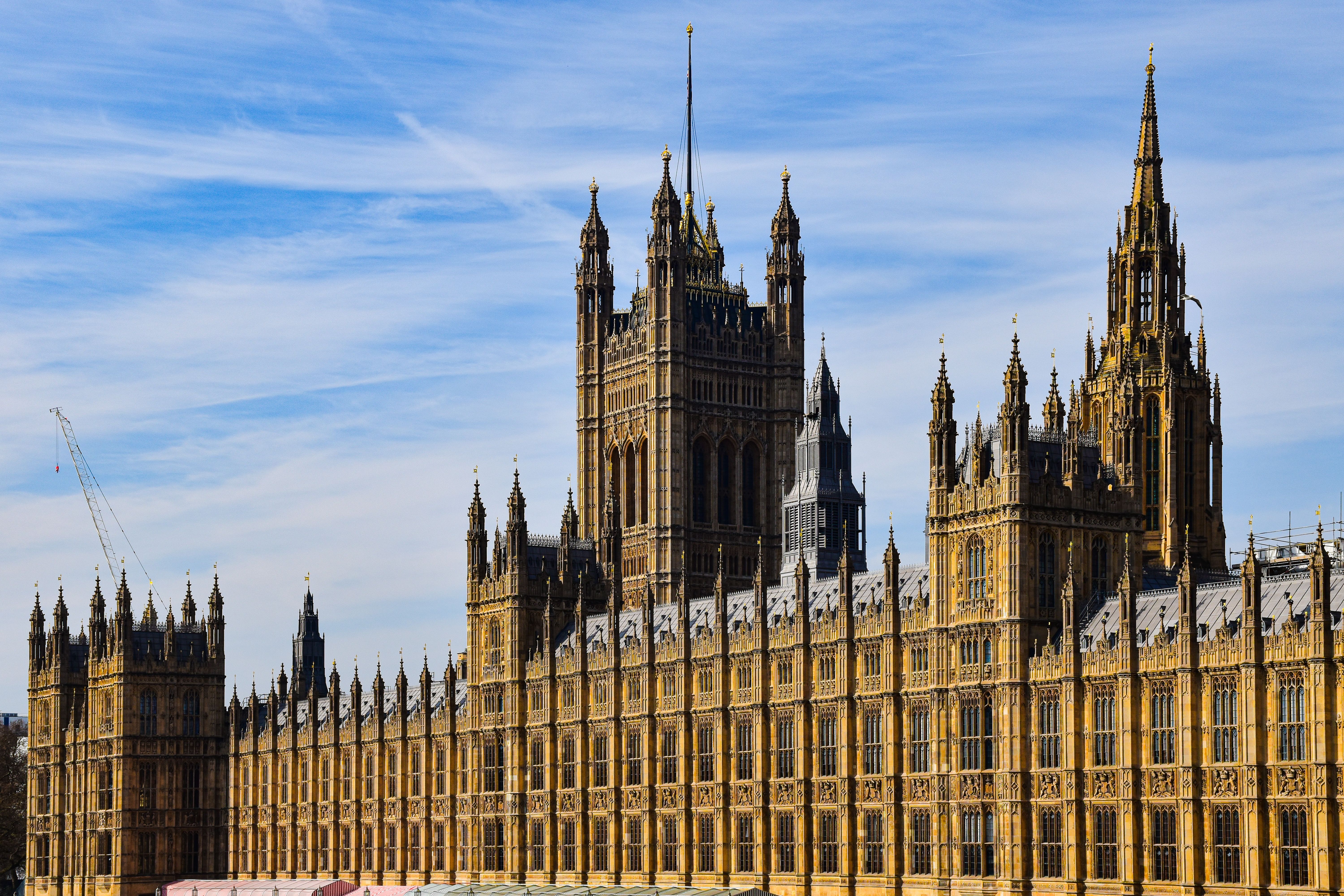
Political change is also being watched closely. Andy Burnham moved closer to becoming Labour leader and is expected to take office as prime minister on 20 July. Investors are likely to pay close attention to any signals around taxation, regulation, housebuilding, infrastructure and industrial policy.
The FTSE 100’s small rise reflects cautious optimism rather than strong confidence. Markets appear to be balancing hopes of diplomacy in the Middle East with the risk of further escalation. At the same time, takeover activity in easyJet and Vodafone-related news show that investors continue to see opportunity in selected UK assets.
For investors, the key message is that markets can move higher even when risks remain high. UK shares may benefit if geopolitical tensions ease, sterling stays stable and takeover activity continues. However, any renewed shock in the Middle East could quickly push energy prices higher, raise inflation fears and pressure sectors such as travel, retail and consumer stocks.
The coming weeks could be important for UK markets. Investors will be watching global security risks, oil prices, corporate dealmaking and the policy direction of a possible new prime minister. If confidence improves, UK equities could attract more attention. If uncertainty rises, markets may become more defensive.
Sources: (Investing.com, YahooFinance.com)

Tradable assets:
Min.Deposit:
Max Leverage:
FCA:

Rating:
 Earnings Calendar
  Economic Calendar
  VAT Calculator
  Tax Free Childcare Calculator
 Percentage Calculator
 Compound Interest Calculator
  Loan Overpayment Calculator
 Mortgage Calculator
 Credit Card Calculator
 Investing
  Economics
 Trading
  Technical Analysis
  Personal Finance
 Calculator