News
US Inflation Meets Expectations as Major Stock Indices Rise
13 Sep 2026, 09:56


Join Minipip Academy and access free courses in investing, trading, economics, and more.
Sign Up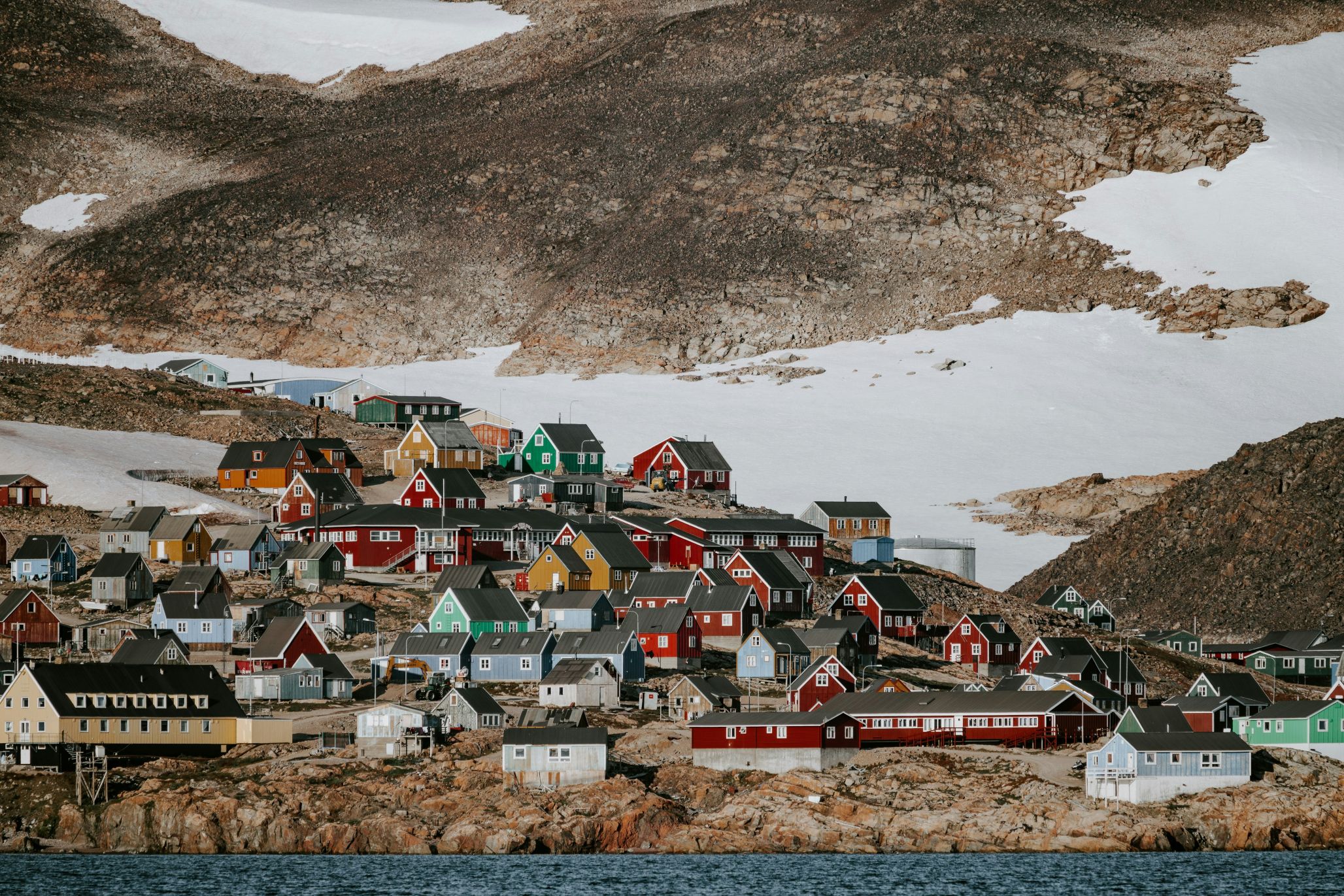
Unsplash.com


Deutsche Bank warns capital flows, not trade, could be the real market risk
Europe’s escalating dispute with Washington over Greenland could have far-reaching consequences for global financial markets, extending well beyond tariffs and trade. According to Deutsche Bank, the episode highlights a structural vulnerability at the heart of the US economic model: its reliance on foreign capital to fund persistent deficits.
The US Depends Heavily on Foreign Capital
George Saravelos, head of foreign exchange research at Deutsche Bank, argues that despite America’s economic and military power, the country remains dependent on overseas investors to finance its external deficits.
The US runs large and ongoing current account shortfalls, which are effectively funded by foreign buyers of US assets such as government bonds and equities. Any strain in relations with major creditors therefore carries significant financial risk.
Europe Is America’s Largest Lender
Europe sits at the centre of this dependency. European investors hold an estimated $8 trillion in US bonds and equities, making the region the single largest source of foreign financing for the United States.
This figure is almost double the combined holdings of the rest of the world, underlining how critical European capital is to US financial stability.
Saravelos warned that it is no longer guaranteed Europe will continue to play this role without question, particularly if political pressure from Washington intensifies.
Greenland Dispute Raises the Stakes
Tensions have risen after Donald Trump threatened escalating tariffs against several European allies unless the United States is allowed to purchase Greenland, an autonomous territory of Denmark.
The comments have triggered a strong political response in Europe. Danish Prime Minister Mette Frederiksen has said Europe “will not be blackmailed”, while other European leaders have warned that tariff threats risk damaging transatlantic relations.
For markets, the issue goes beyond diplomacy. Deutsche Bank believes the confrontation could accelerate a reassessment of Europe’s exposure to US assets.
Signs of a Shift Away From the Dollar
Saravelos pointed out that Danish pension funds were among the first European investors to reduce US dollar exposure last year. He suggested the Greenland dispute could act as a catalyst for broader rebalancing across Europe, where exposure to US markets remains high.
A gradual reduction in dollar holdings would have implications for US bond yields, the dollar exchange rate and overall financial conditions.
A Moment of European Cohesion
The Deutsche Bank strategist compared the current situation to last year’s Munich Security Conference, where US political pressure helped galvanise Europe into boosting defence spending.
He suggested the Greenland issue could play a similar role, encouraging greater European unity. Notably, even euro-sceptic and far-right politicians in countries such as Germany and France have criticised Washington’s recent stance.
A coordinated European response would be closely watched by investors as a potential turning point.
Capital Markets, Not Trade, May Be the Real Weapon
Looking ahead, Saravelos said Europe may believe it has leverage, particularly with US midterm elections approaching and the White House focused on keeping inflation and Treasury yields under control.
Rather than targeting trade flows, the European Union could consider measures affecting capital markets, including the possible use of its anti-coercion instrument.
Such actions would be far more disruptive than tariffs alone. With the US net international investment position at record negative levels, the financial interdependence between Europe and the US has never been greater.
Why This Matters for Investors
For markets, the key risk is not an immediate trade war, but the potential “weaponisation of capital”. Any meaningful shift in European investment behaviour could have wide-ranging effects on currencies, bond markets and global risk appetite.
As tensions over Greenland continue, investors will be watching closely to see whether political confrontation begins to reshape one of the most important financial relationships in the world.
Sources: (Investing.com, Reuters.com)

Tradable assets:
Min.Deposit:
Max Leverage:
FCA:

Rating:
 Earnings Calendar
  Economic Calendar
  VAT Calculator
  Tax Free Childcare Calculator
 Percentage Calculator
 Compound Interest Calculator
  Loan Overpayment Calculator
 Mortgage Calculator
 Credit Card Calculator
 Investing
  Economics
 Trading
  Technical Analysis
  Personal Finance
 Calculator