Analysis
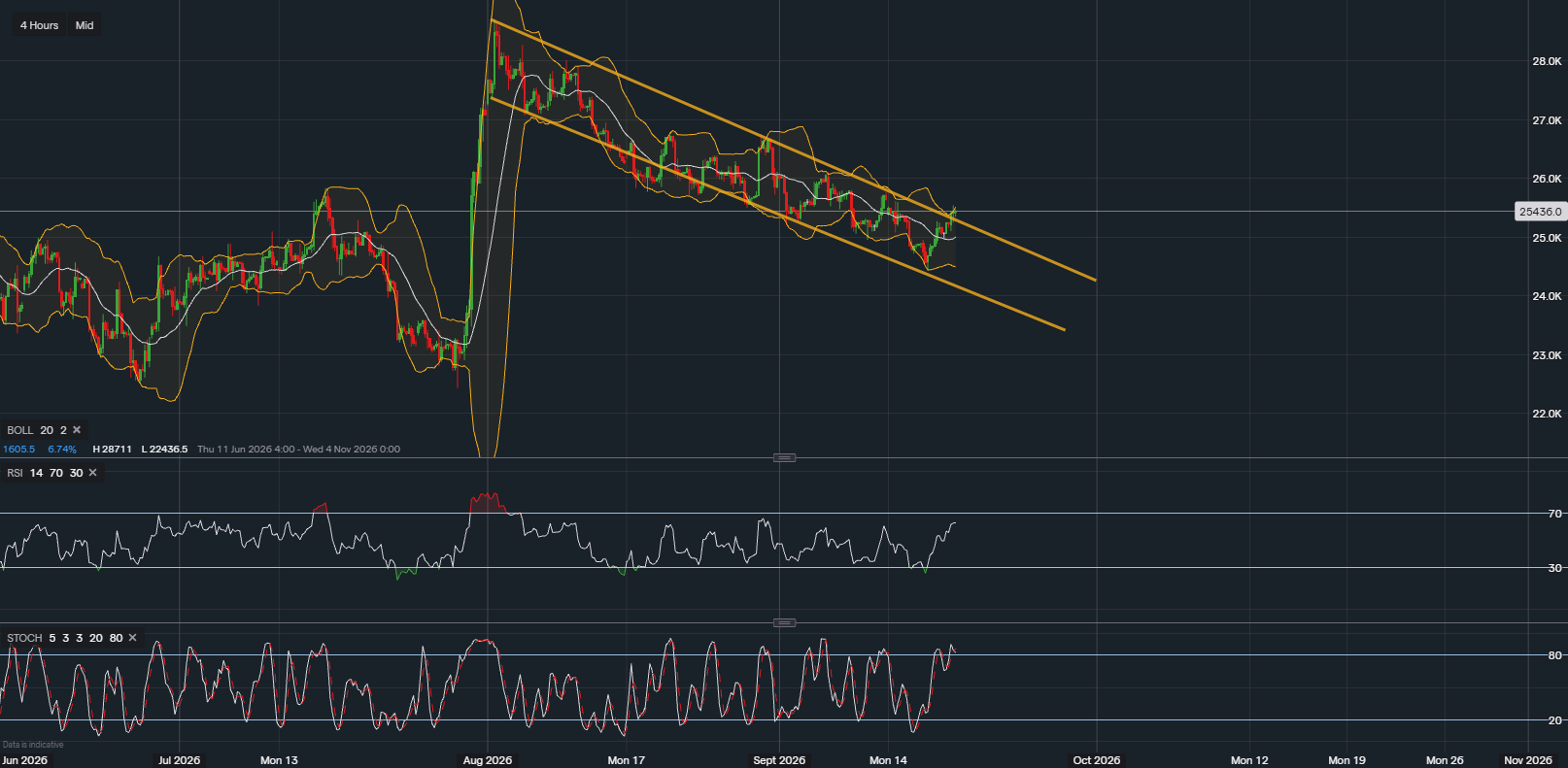
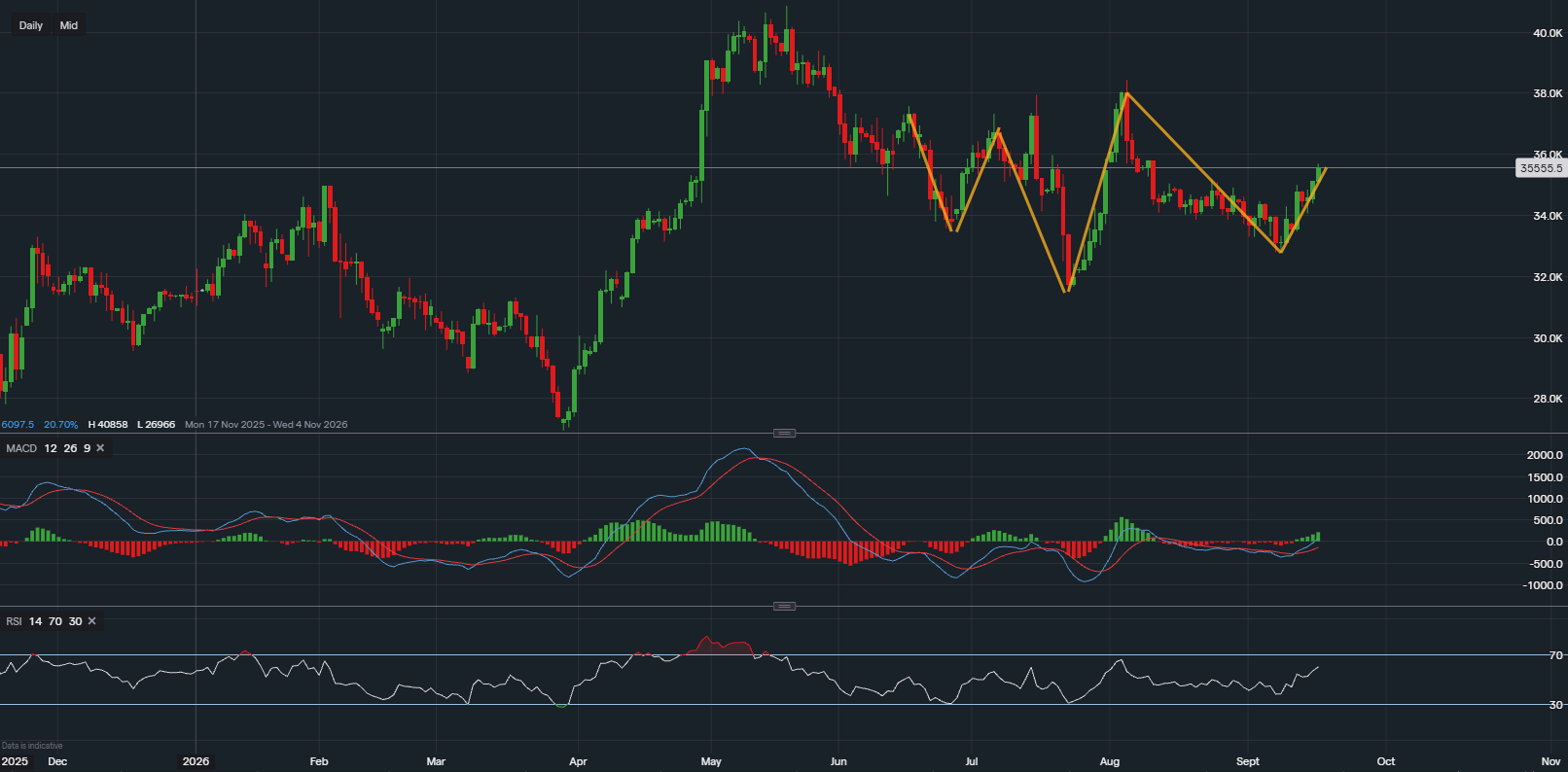
Amazon Stock Analysis: Can the Bullish Reversal Continue?
$254.36
19 Sep 2026, 12:29
Bullish


Join Minipip Academy and access free courses in investing, trading, economics, and more.
Sign Up
Pexels.com


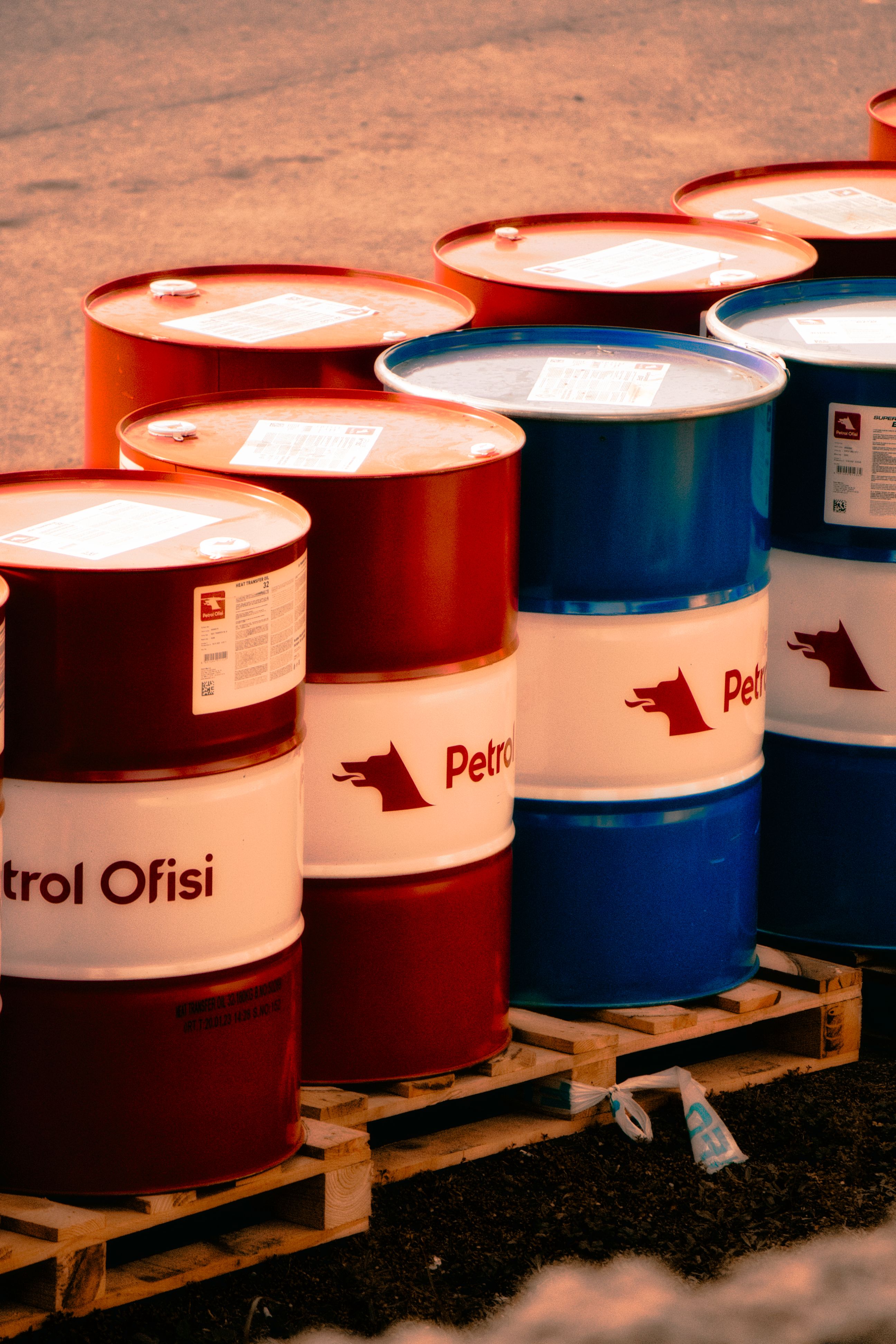
BP has reported a sharp rise in quarterly profits after the war involving Iran disrupted global energy supplies and pushed oil and gas prices higher.
The British energy company recorded underlying profits of approximately $5.7 billion, or £4.2 billion, compared with $2.3 billion a year earlier. The result was also above analysts’ forecast of around $5.1 billion.
BP benefited from higher energy prices, stronger refining margins and profitable oil trading during a volatile period for global markets. The company’s chief executive, Meg O’Neill, described the quarter as one of the most disrupted periods experienced by the energy market.
Iran War Disrupts Global Oil Supplies
Oil prices rose sharply after attacks and restrictions affected shipping through the Strait of Hormuz.
The waterway is one of the world’s most important oil and liquefied natural gas routes. Any disruption can reduce the amount of energy reaching global markets, causing prices to rise.
Higher oil and gas prices can benefit producers such as BP because they receive more money for the energy they sell. Trading divisions can also profit from large and frequent price movements.
BP’s latest results were supported by:
BP also increased its dividend by 4%, while its shares rose following the announcement. However, the relatively modest share-price reaction suggests that some investors remain cautious about operational performance and whether war-driven profits can continue.
How This Compares With BP’s Previous Profit Surge
The latest results have drawn comparisons with 2022, when Russia’s invasion of Ukraine caused oil and gas prices to surge.
BP reported record underlying profits of around $27.7 billion for 2022, more than double the $12.8 billion earned during the previous year. At the time, the company increased shareholder payments while many households were struggling with rapidly rising heating, fuel and food costs.
The announcement triggered strong public and political criticism.
Campaigners and opposition politicians called for tougher windfall taxes, arguing that extraordinary profits caused by war and energy shortages should be used to support households. Environmental groups also criticised BP for reducing its planned cuts to oil and gas production.
Similar criticism has returned following the latest results. Greenpeace argued that BP’s profits were disconnected from the public interest, particularly as consumers face higher energy costs and extreme weather increases concerns about climate change.
What BP’s Results Could Mean for Investors and Markets
For investors, higher profits and dividends may support BP’s share price in the near term.
Potential positive factors include:
However, significant risks remain:
Energy shares could continue rising while supplies remain restricted. However, airlines, transport businesses and manufacturers may face pressure from higher fuel costs. Traders should expect BP’s share price to remain sensitive to oil prices, developments in Iran and any government response to rising energy-company profits.
Sources: (SKYMoney.com, Reuters.com)

Tradable assets:
Min.Deposit:
Max Leverage:
FCA:

Rating:
 Earnings Calendar
  Economic Calendar
  VAT Calculator
  Tax Free Childcare Calculator
 Percentage Calculator
 Compound Interest Calculator
  Loan Overpayment Calculator
 Mortgage Calculator
 Credit Card Calculator
 Investing
  Economics
 Trading
  Technical Analysis
  Personal Finance
 Calculator