Analysis
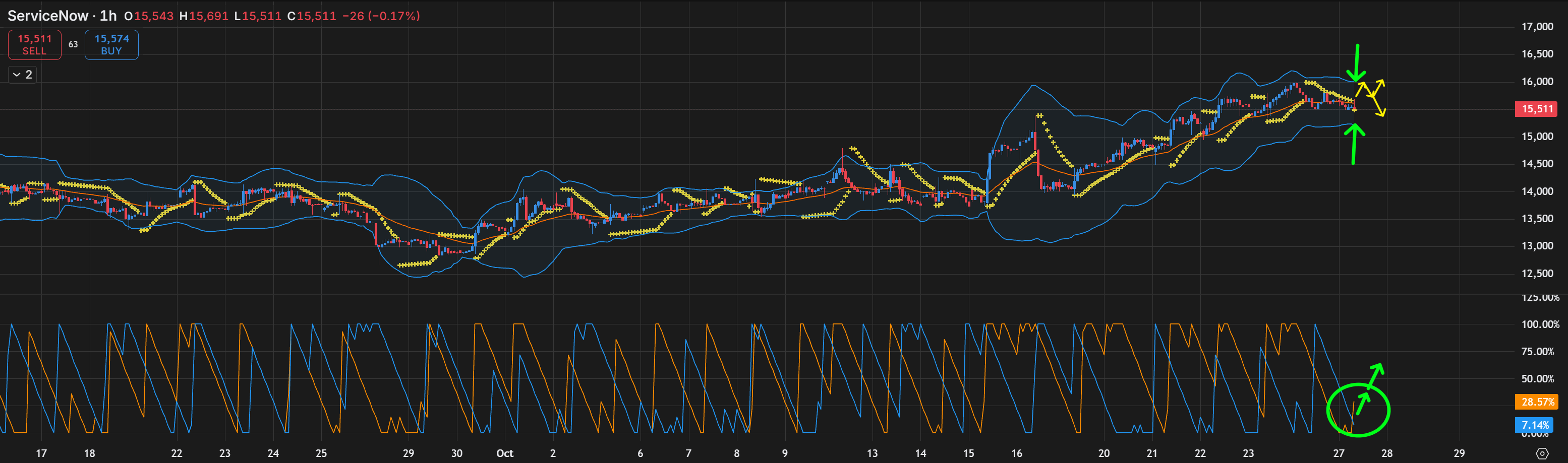
ServiceNow Stock Technical Analysis: NOW Coils for High-Stakes Earnings Breakout
$158.18
27 Oct 2026, 13:59
Neutral


Join Minipip Academy and access free courses in investing, trading, economics, and more.
Sign Up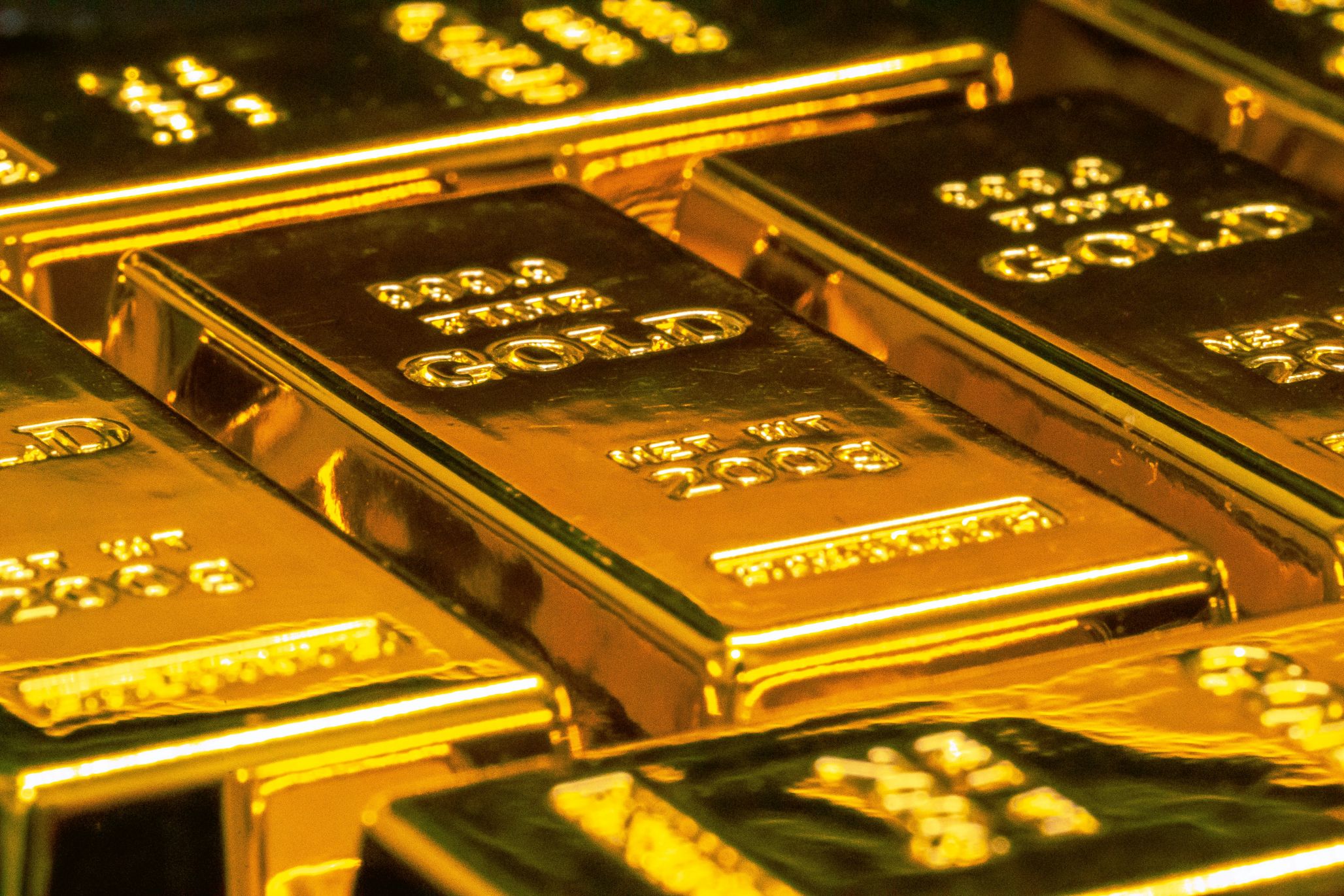
Pexels.com


Investors sell the traditional safe-haven asset as strong dollar and rising bond yields pressure the precious metal
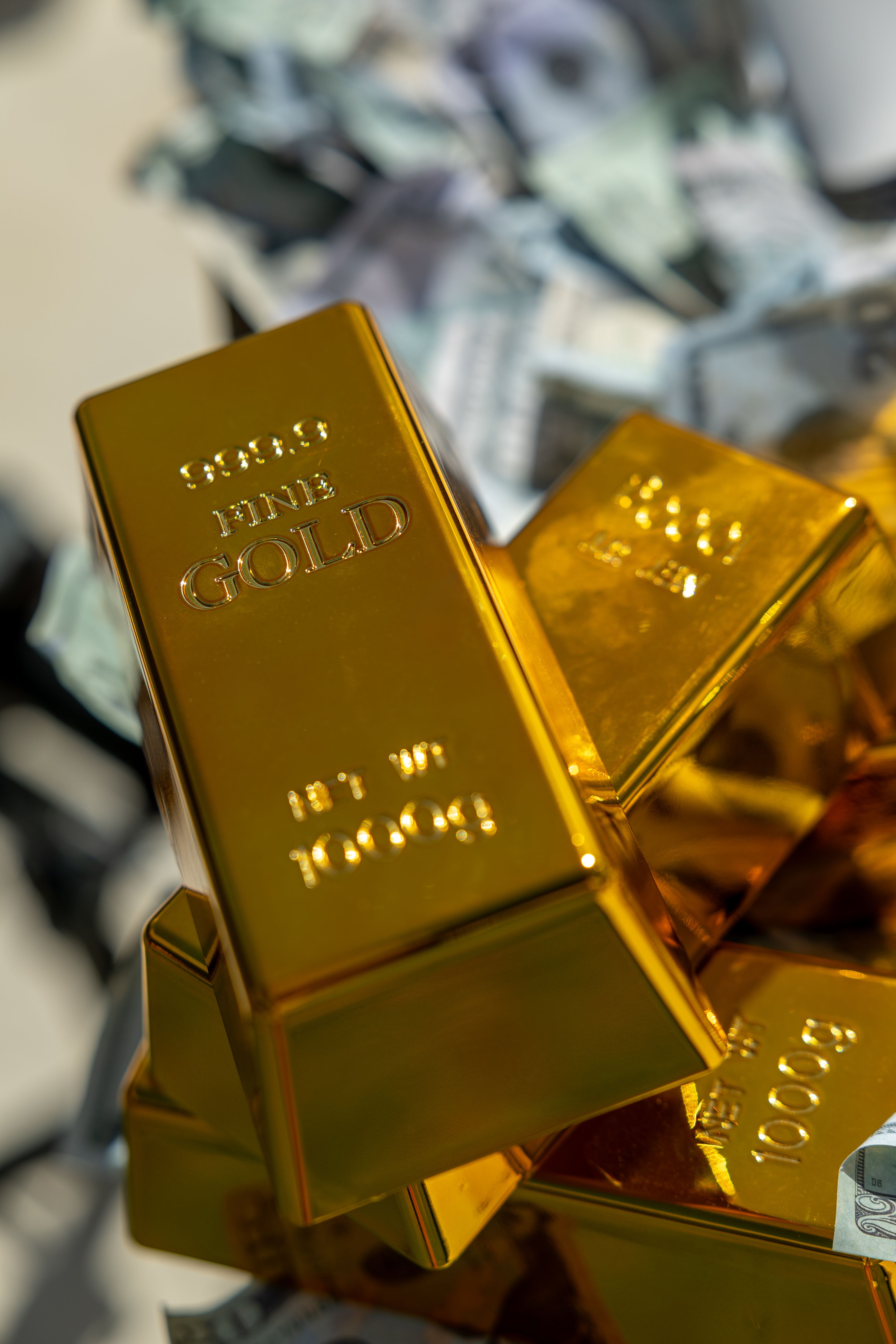
Gold prices have fallen in recent weeks despite escalating geopolitical tensions in the Middle East, surprising many investors who typically view the precious metal as a safe-haven asset during periods of global instability.
The conflict involving Iran has pushed oil prices above $100 per barrel and triggered volatility across financial markets. Yet, instead of rising, gold has declined roughly 5% since the conflict began, highlighting the complex forces currently influencing commodity markets.
Why Gold Usually Rises During Global Crises
Gold has historically been seen as a protective asset during times of geopolitical conflict or economic uncertainty.
Investors often buy gold when:
Because gold is viewed as a store of value, demand typically increases during global crises. However, the current market environment has produced a different outcome.
Why Gold Prices Are Falling Now
Several factors are currently pushing gold prices lower despite rising geopolitical risks.
Key reasons include:
According to analysts, these combined forces have temporarily outweighed the safe-haven demand usually associated with geopolitical tensions.
Impact on Gold Mining Shares
The decline in gold prices has also affected mining stocks and precious-metal investment funds.
Recent market moves include:
Gold mining companies tend to track the price of gold because their profitability depends heavily on the value of the metal they produce. When gold prices fall, mining stocks often experience larger declines due to reduced revenue expectations.
For investors holding shares in gold mining companies, this volatility can create both risks and opportunities.
Why Some Investors Still See Gold as a Buying Opportunity
Despite the recent decline, many analysts remain bullish on gold’s long-term outlook.
Several structural factors continue to support demand:
These trends reinforce gold’s role as a long-term hedge against economic uncertainty and currency volatility.
Gold Still Strong for the Year
Even after the recent pullback, gold prices remain significantly higher overall.
The metal is still around 16% higher in 2026, reflecting strong demand earlier in the year as investors positioned themselves for geopolitical and inflation risks.
This suggests that the recent decline may represent short-term volatility rather than a fundamental change in the longer-term outlook.
What This Means for Investors
Gold’s recent performance highlights how multiple economic forces can influence commodity markets simultaneously.
For investors:
If geopolitical tensions persist and inflation pressures remain elevated, demand for gold as a defensive asset could eventually recover.
For now, the precious metal remains caught between its traditional safe-haven role and the powerful influence of interest rates, currency strength and global market liquidity.
Sources: (Investing.com, Yahoo.com)

Tradable assets:
Min.Deposit:
Max Leverage:
FCA:

Rating:
 Earnings Calendar
  Economic Calendar
  VAT Calculator
  Tax Free Childcare Calculator
 Percentage Calculator
 Compound Interest Calculator
  Loan Overpayment Calculator
 Mortgage Calculator
 Credit Card Calculator
 Investing
  Economics
 Trading
  Technical Analysis
  Personal Finance
 Calculator