News
Why Don’t All EU Countries Use the Euro — and What Does It Mean for Forex?
23 Sep 2026, 22:06


Join Minipip Academy and access free courses in investing, trading, economics, and more.
Sign Up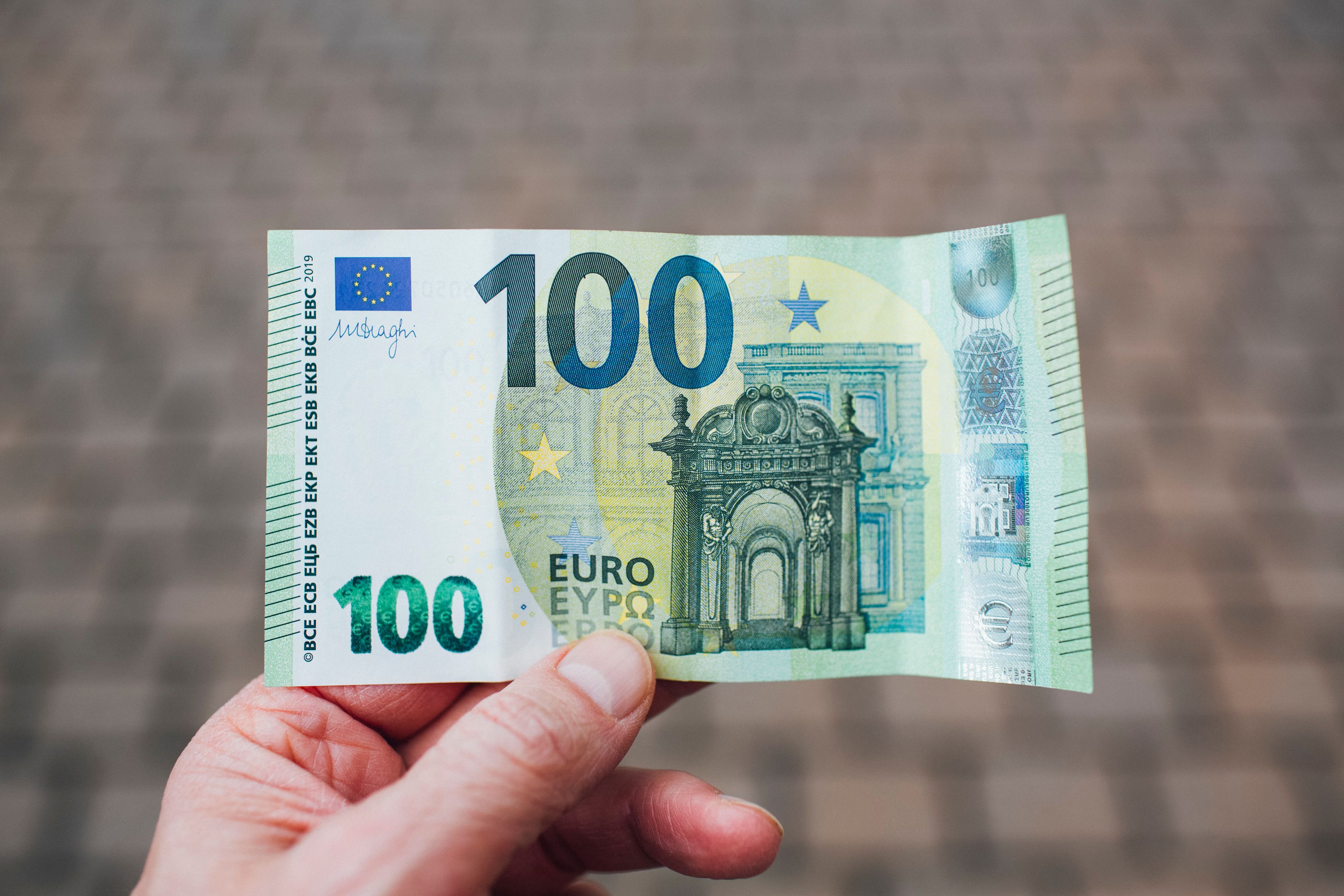
Why Don’t All EU Countries Use the Euro — and What Does It Mean for Forex?


The European Union may operate as a political and economic bloc, but not every member uses the euro. Following Bulgaria’s adoption of the currency in January 2026, 21 of the EU’s 27 member states now use the euro, leaving six outside the eurozone.
These include Poland, Hungary, Czechia, Romania, Sweden and Denmark. However, they are not all outside for the same reason.
Denmark has formally negotiated an opt-out, meaning it is not required to adopt the euro. The other five are expected to eventually join, but there is no fixed deadline. Before adopting the currency, countries must meet economic requirements known as the convergence criteria, covering areas such as inflation, government finances, interest rates and exchange-rate stability.
Keeping a national currency also allows a country to retain greater control over its own monetary policy. For example, Poland's central bank can set interest rates specifically for the Polish economy, while eurozone interest rates are determined by the European Central Bank (ECB) for the whole euro area.
For forex traders, this creates additional opportunities. Instead of every EU economy moving under one currency, pairs such as EUR/PLN, EUR/HUF and EUR/CZK can react to differences in inflation, interest rates and economic growth between the eurozone and individual countries.
This means traders must watch not only the ECB, but also decisions from national central banks.
Ultimately, the EU's mixture of currencies adds another layer to European forex markets, as differences in monetary policy can create both currency trends and volatility.

Tradable assets:
Min.Deposit:
Max Leverage:
FCA:

Rating:
 Earnings Calendar
  Economic Calendar
  VAT Calculator
  Tax Free Childcare Calculator
 Percentage Calculator
 Compound Interest Calculator
  Loan Overpayment Calculator
 Mortgage Calculator
 Credit Card Calculator
 Investing
  Economics
 Trading
  Technical Analysis
  Personal Finance
 Calculator