Analysis
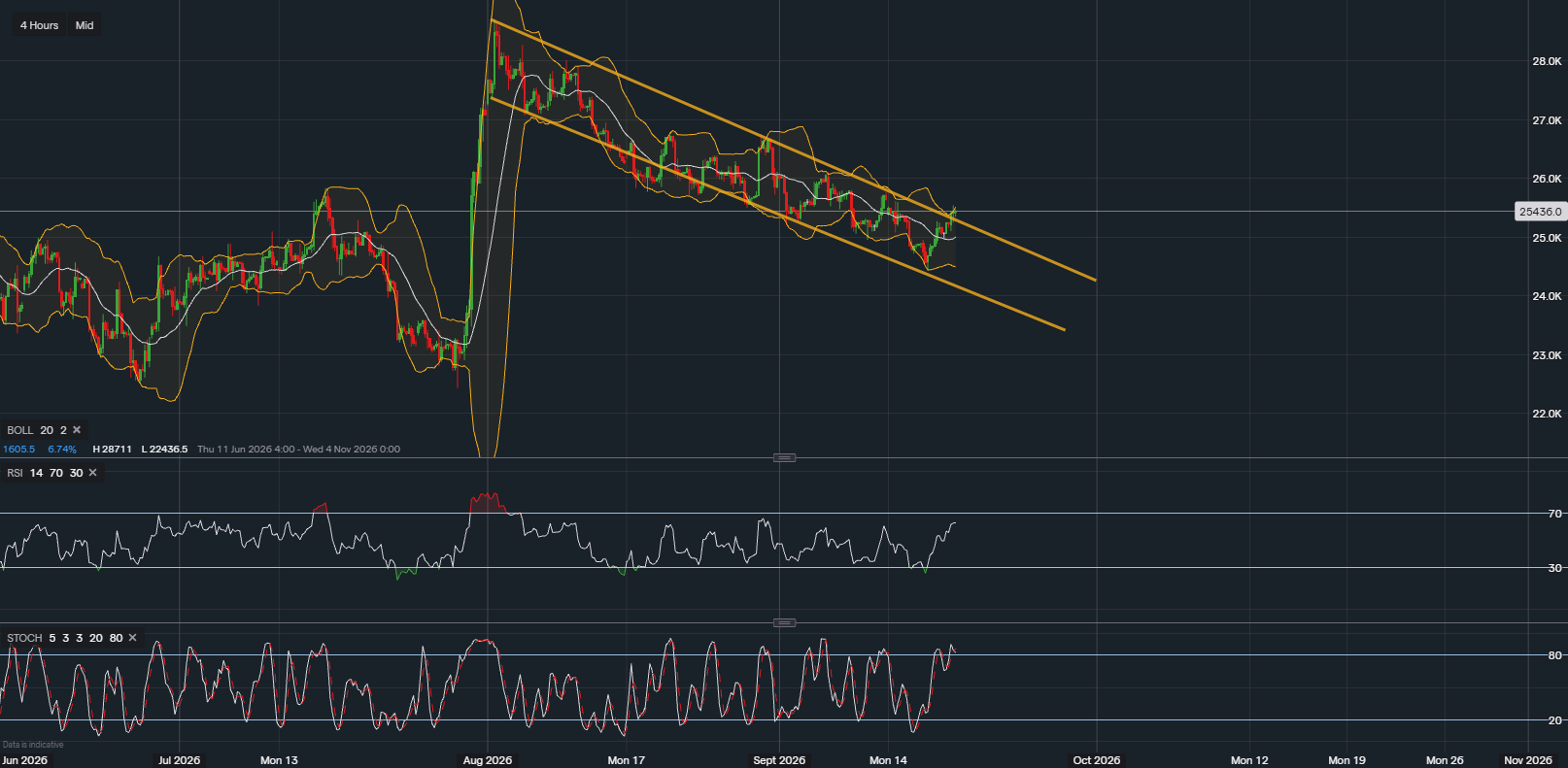
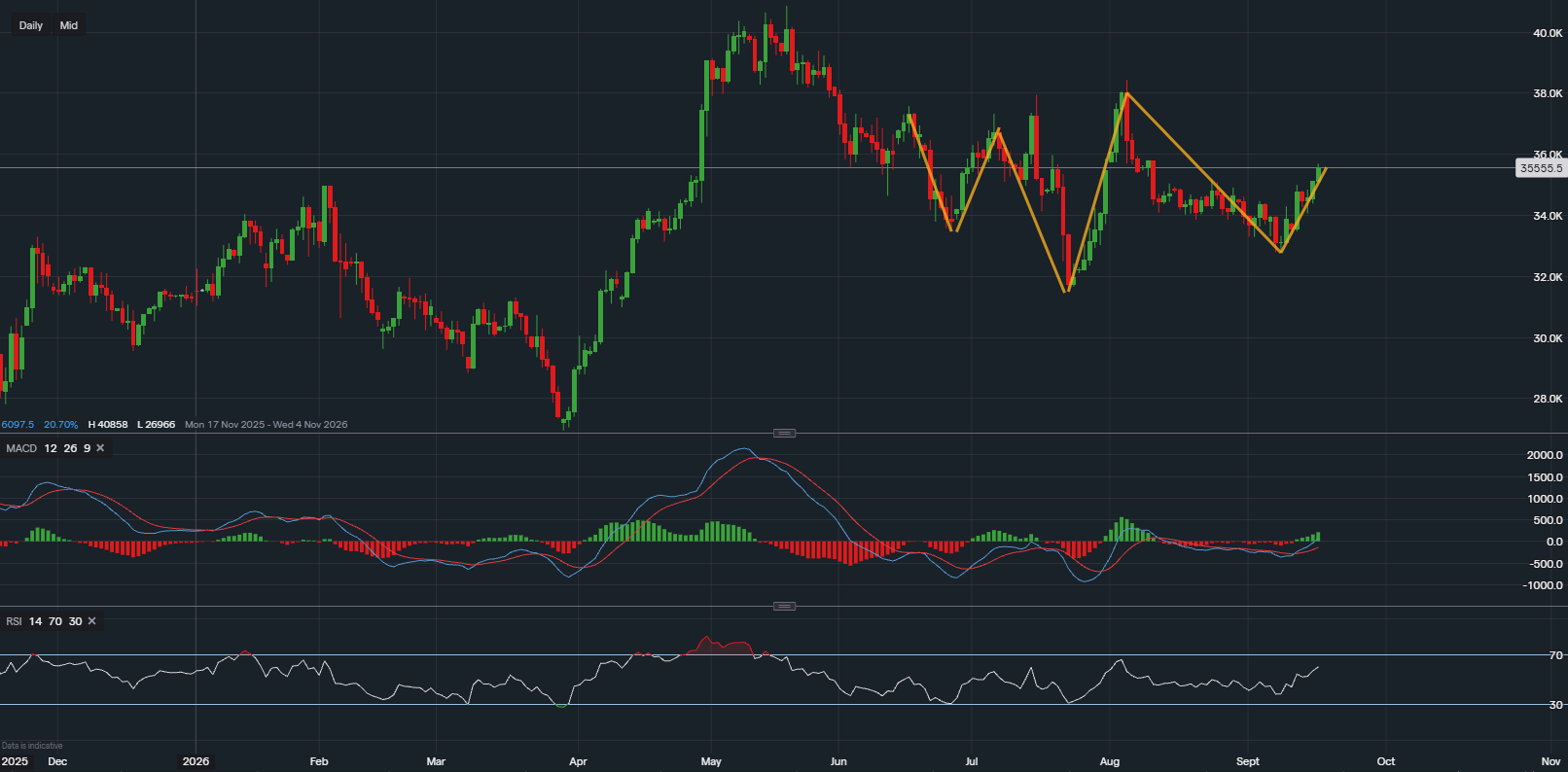
Amazon Stock Analysis: Can the Bullish Reversal Continue?
$254.36
19 Sep 2026, 12:29
Bullish


Join Minipip Academy and access free courses in investing, trading, economics, and more.
Sign Up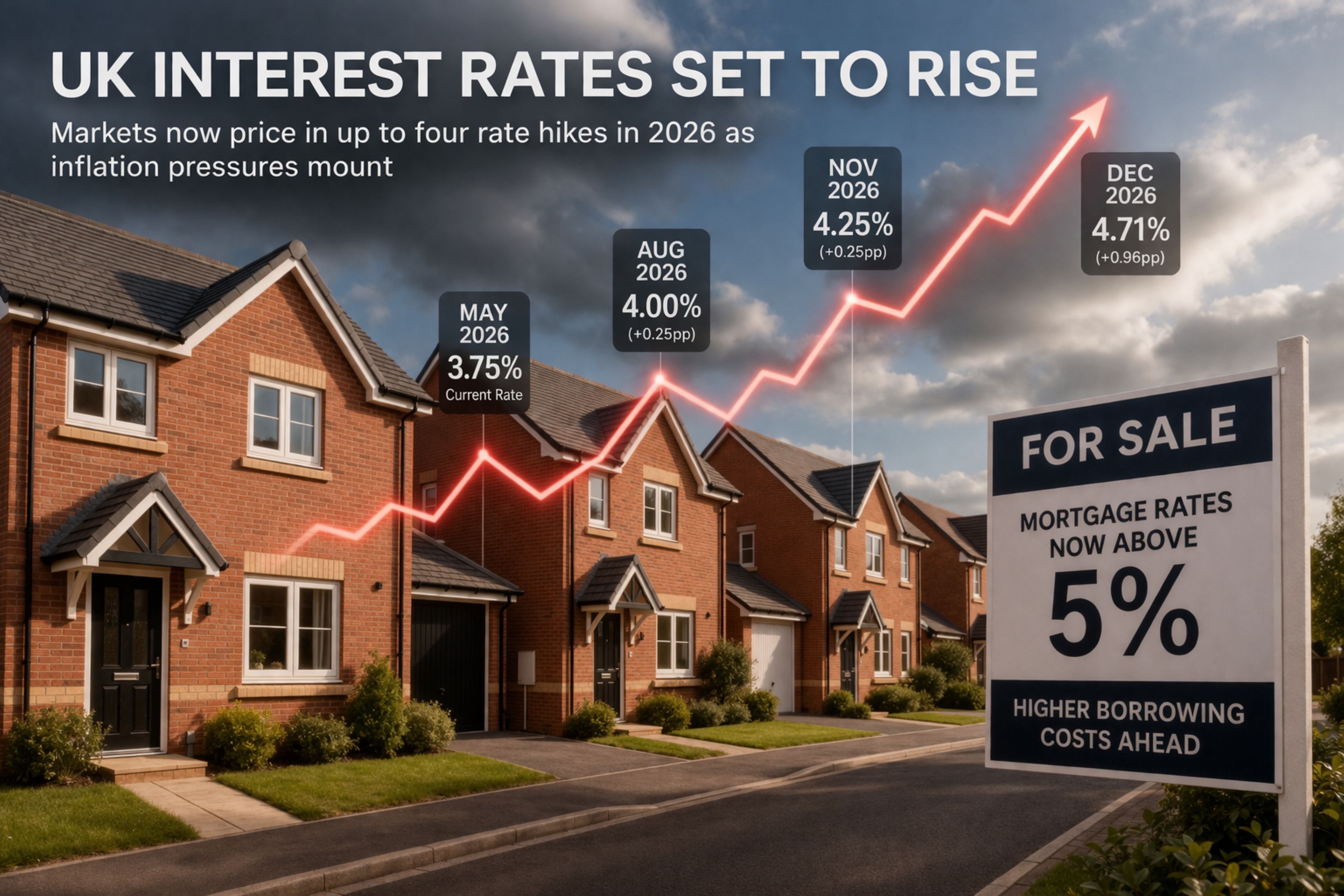
AI


Energy-driven inflation shock reshapes expectations for mortgages, bonds and stock market performance
Financial markets are rapidly shifting expectations for UK interest rates, with investors now pricing in up to four rate hikes in 2026 as inflation concerns intensify.
According to data from the London Stock Exchange Group, markets expect at least three rate increases by December, potentially pushing the Bank of England base rate from 3.75% to around 4.71%.
This marks a dramatic reversal from earlier expectations that interest rates would fall this year.
Why Interest Rate Expectations Have Changed
The shift in outlook is largely driven by rising energy prices linked to geopolitical tensions, particularly the Iran conflict.
Key factors include:
While Bank of England Governor Andrew Bailey has suggested markets may be overestimating the number of hikes, investors remain cautious about the risk of a significant inflation surge.
How Interest Rates Affect the Economy
Interest rates are one of the most important tools used by central banks to control inflation.
When rates rise:
This reduction in spending helps to slow inflation, although it can also weaken economic growth.
Mortgage Rates and Borrowing Costs Climbing
The impact of rising rate expectations is already being felt in the UK housing market.
Recent trends include:
Higher borrowing costs could lead to slower activity in the housing market and downward pressure on property prices.
Bond Markets Signal Higher Rates for Longer
Government bond markets are also reflecting the changing outlook.
Key developments include:
Rising bond yields are a key signal that markets expect interest rates to remain elevated.
What This Means for Share Prices and Investors
The prospect of higher interest rates has significant implications for financial markets.
Potential impacts include:
Investors may need to adjust portfolios to reflect a higher interest rate environment.
Outlook for the UK Economy
The outlook remains uncertain and depends heavily on energy prices and inflation trends.
Key risks include:
While markets are currently pricing in multiple rate hikes, the Bank of England could still adjust its approach depending on how economic conditions evolve.
Conclusion
The UK interest rate outlook has shifted sharply, with markets now expecting a sustained period of higher borrowing costs.
For households, this means more expensive mortgages and loans. For investors, it signals a changing market environment where interest rates, inflation and bond yields will play a central role in shaping stock performance.
The coming months will be critical in determining whether these expectations become reality — or whether economic conditions force a different path.
Sources: (SKYMoney.com, BBC.co.uk)

Tradable assets:
Min.Deposit:
Max Leverage:
FCA:

Rating:
 Earnings Calendar
  Economic Calendar
  VAT Calculator
  Tax Free Childcare Calculator
 Percentage Calculator
 Compound Interest Calculator
  Loan Overpayment Calculator
 Mortgage Calculator
 Credit Card Calculator
 Investing
  Economics
 Trading
  Technical Analysis
  Personal Finance
 Calculator