Analysis
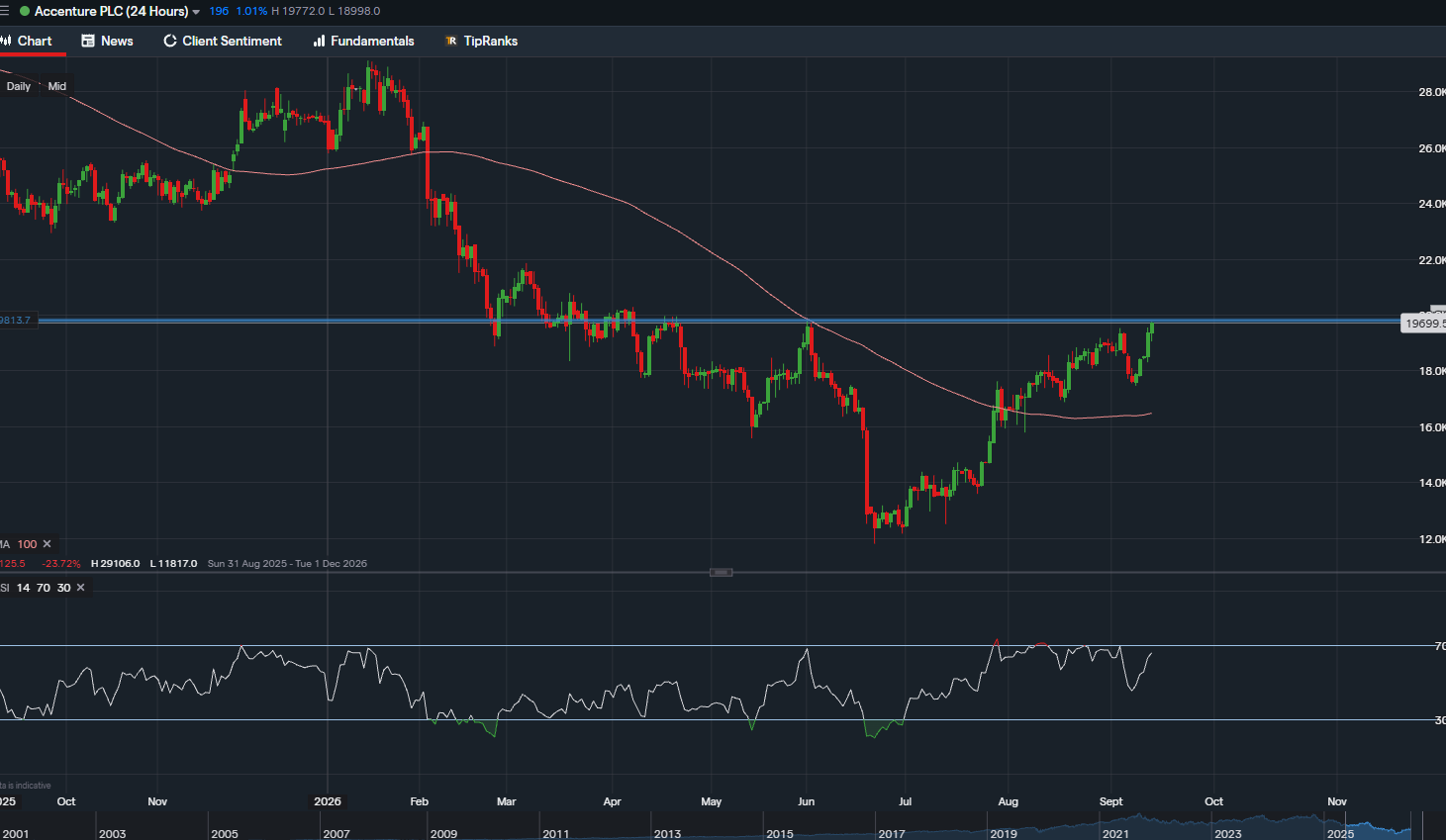
Accenture Tests Key Resistance as Earnings Loom
$197
15 Sep 2026, 18:47
Neutral


Join Minipip Academy and access free courses in investing, trading, economics, and more.
Sign Up
Pexels.com


UBS warns currency swings could spike as energy shock reshapes interest rate outlook and global markets
Currency markets are set for increased volatility in the coming weeks, as rising oil prices and geopolitical tensions linked to the Iran conflict create uncertainty across global financial systems.
According to analysts at UBS, foreign exchange markets could experience a sharp rise in volatility if energy prices remain elevated or increase further.
Brent crude has already climbed towards $115 per barrel, with some Asian buyers paying as much as $150, highlighting the scale of the disruption to global energy markets.
Why Currency Volatility Is Rising
The current environment combines geopolitical risk with shifting monetary policy expectations.
Key drivers include:
UBS estimates that currency volatility could increase by around 4 percentage points, reaching levels last seen during the COVID-19 pandemic and the Ukraine war.
In extreme scenarios, oil prices could reach $200 per barrel, potentially triggering a global economic slowdown.
Central Banks Hold Rates Amid Uncertainty
Major central banks have adopted a cautious stance in response to rising inflation risks.
Recent decisions include:
Central banks are currently looking through the oil price surge, but this could change if energy costs remain elevated.
US Dollar Strength Expected to Continue
UBS expects the US dollar to remain supported in the near term due to relatively strong economic data and reduced expectations for rate cuts.
Key forecasts include:
A stronger dollar typically puts pressure on emerging market currencies and commodities priced in USD.
Key Currency Forecasts to Watch
UBS has adjusted several currency forecasts in response to the changing environment.
Important projections include:
These changes reflect how energy prices and interest rate expectations are influencing global currency markets.
What This Means for Stocks and Investors
Rising currency volatility can have significant implications for financial markets.
Potential impacts include:
Investors may need to consider currency exposure more carefully in the current environment.
Outlook for Global Markets
The outlook for currency markets will depend largely on the trajectory of energy prices and the duration of the Iran conflict.
If oil prices remain elevated, inflation could stay higher for longer, forcing central banks to maintain tighter monetary policy. This would likely increase volatility across both currency and equity markets.
For now, UBS expects a period of heightened uncertainty, with foreign exchange markets becoming a key driver of global financial conditions in the months ahead.
Sources: (Investing.com, YahooFinance.com)

Tradable assets:
Min.Deposit:
Max Leverage:
FCA:

Rating:
 Earnings Calendar
  Economic Calendar
  VAT Calculator
  Tax Free Childcare Calculator
 Percentage Calculator
 Compound Interest Calculator
  Loan Overpayment Calculator
 Mortgage Calculator
 Credit Card Calculator
 Investing
  Economics
 Trading
  Technical Analysis
  Personal Finance
 Calculator