News
What Labour’s Leaked Plans Could Mean for Your Money
10 Oct 2026, 12:26


Join Minipip Academy and access free courses in investing, trading, economics, and more.
Sign Up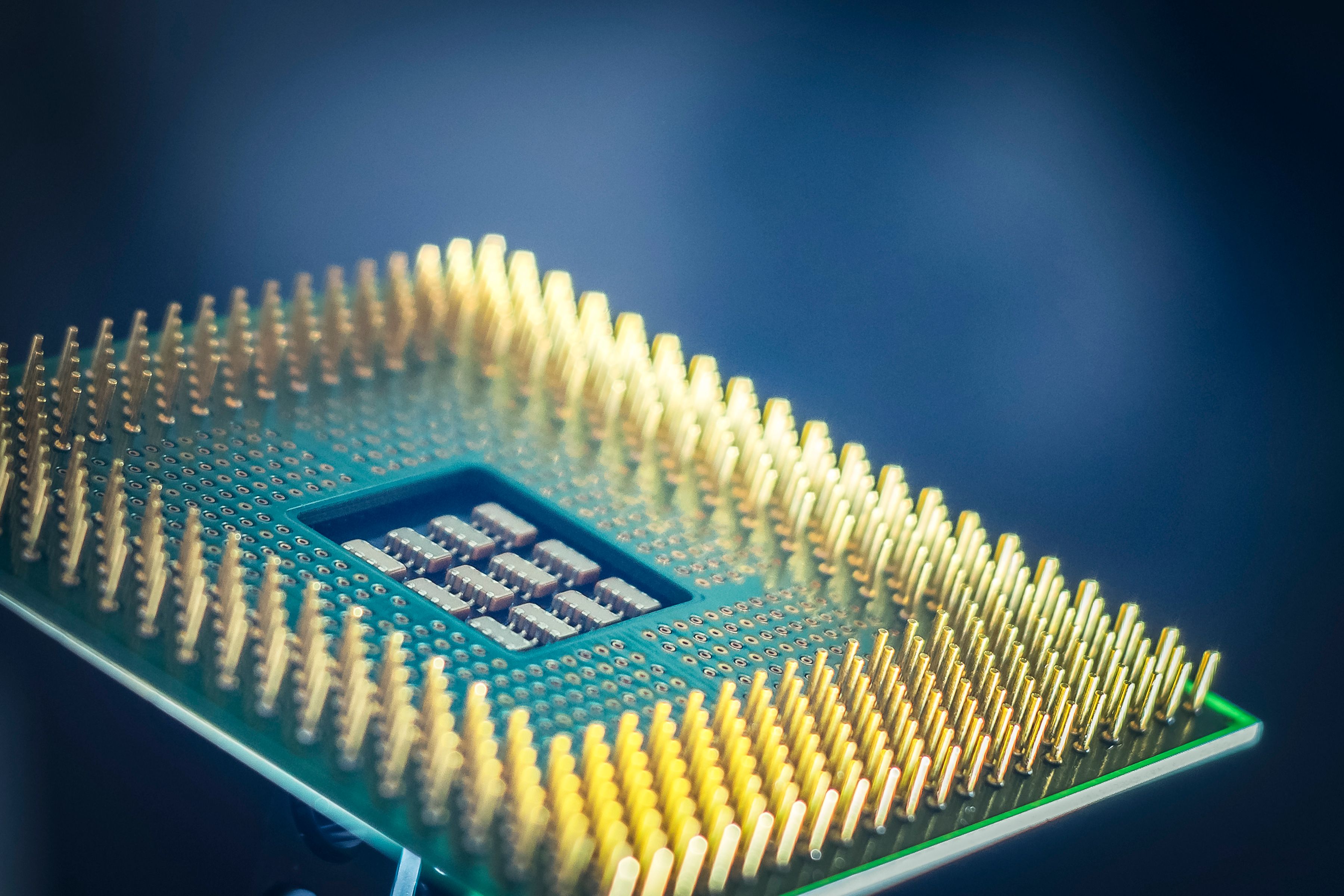
Why AI May Be More of a Growth Cycle Than a Dot-Com Bubble


Unlike the dot-com boom, artificial intelligence depends on a huge physical supply chain of chips, memory, data centres and power.
Artificial intelligence stocks have risen sharply in recent years, leading some investors to compare the boom with the dot-com bubble of the late 1990s.
However, there is one major difference: AI needs a huge amount of physical infrastructure to work.
AI systems require advanced chips, memory, semiconductor packaging, data centres, cooling equipment and enormous amounts of electricity. Every new AI model or automated business process creates additional demand for this infrastructure.
During the dot-com bubble, many companies attracted huge valuations simply because investors believed the internet would transform the economy. Some businesses had very little revenue or even a clear business model, yet their share prices still soared.
AI is different because growth is being limited by real-world supply constraints.
At first, the shortage was advanced AI chips such as Nvidia's GPUs. Attention then moved towards other areas, including high-performance memory, semiconductor packaging, electricity supply and data-centre cooling.
This means investment can rotate between different parts of the AI supply chain rather than disappearing completely. For example, money could move from a chip designer such as Nvidia towards memory manufacturers such as Micron if memory becomes the next major bottleneck.
That does not mean AI stocks cannot fall.
Higher interest rates, disappointing earnings or weaker demand could still cause significant declines. Some AI companies may also become overvalued.
However, the wider AI trend may behave more like a long-term growth cycle than the dot-com bubble.
For investors, the key question may therefore be simple: where will the next AI bottleneck appear?

Tradable assets:
Min.Deposit:
Max Leverage:
FCA:

Rating:
 Earnings Calendar
  Economic Calendar
  VAT Calculator
  Tax Free Childcare Calculator
 Percentage Calculator
 Compound Interest Calculator
  Loan Overpayment Calculator
 Mortgage Calculator
 Credit Card Calculator
 Investing
  Economics
 Trading
  Technical Analysis
  Personal Finance
 Calculator