News
US Inflation Rises to 3.7%, Putting Pressure on the Federal Reserve
18 Oct 2026, 11:08


Join Minipip Academy and access free courses in investing, trading, economics, and more.
Sign Up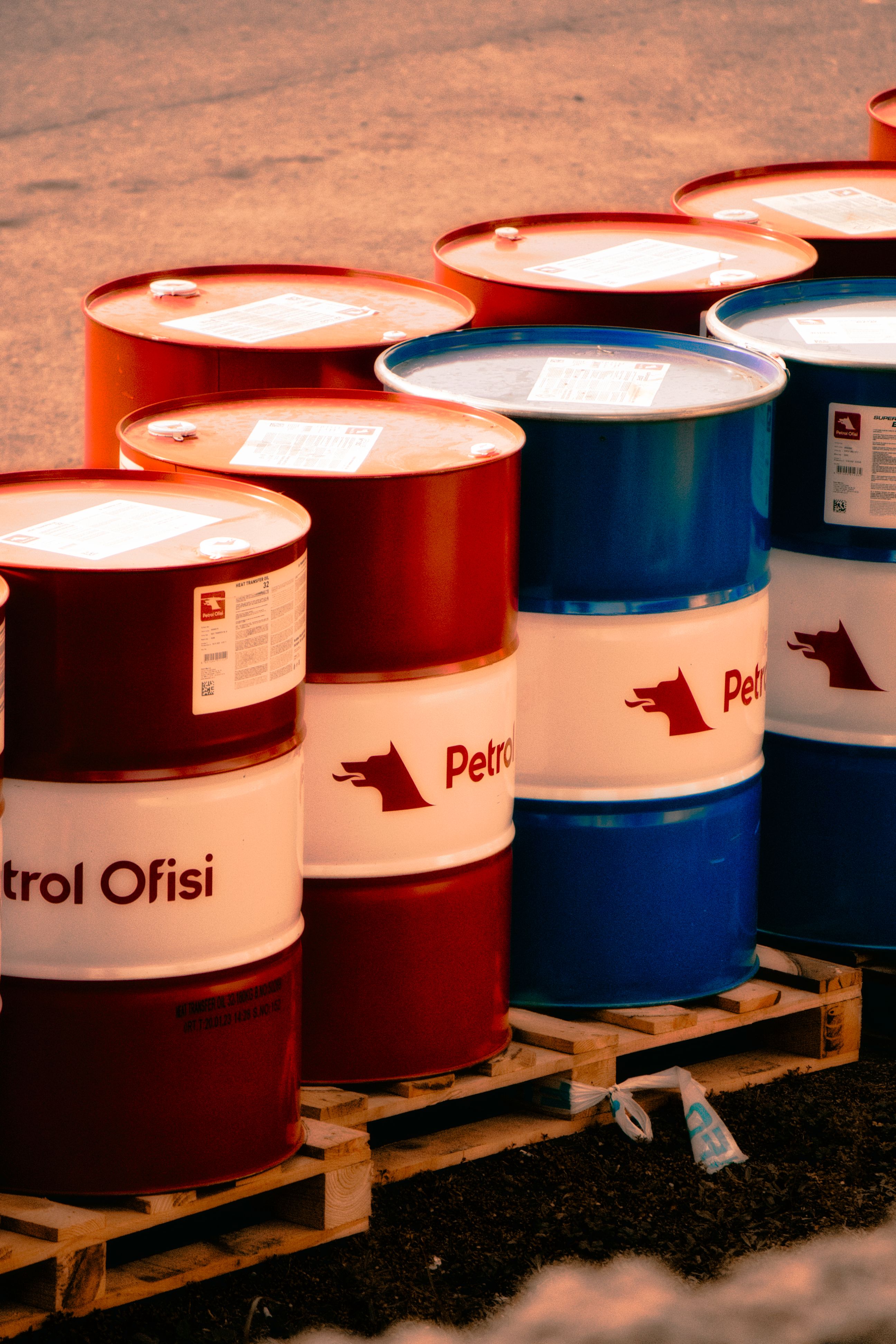
Oil Prices Surge Above $106 as Middle East Tensions Raise Supply Concerns


Oil prices climbed above $106 per barrel on 14 October 2026, as renewed attacks on vessels in the Strait of Hormuz raised fears of disruptions to global energy supplies. The increase highlights how geopolitical tensions can quickly influence financial markets and the wider economy.

Tradable assets:
Min.Deposit:
Max Leverage:
FCA:

Rating:
 Earnings Calendar
  Economic Calendar
  VAT Calculator
  Tax Free Childcare Calculator
 Percentage Calculator
 Compound Interest Calculator
  Loan Overpayment Calculator
 Mortgage Calculator
 Credit Card Calculator
 Investing
  Economics
 Trading
  Technical Analysis
  Personal Finance
 Calculator