Ulta Beauty Earnings Preview: Could the Share Price Face a Short-Term Pullback?
$538.48
04 Dec 2025, 17:50
Bullish

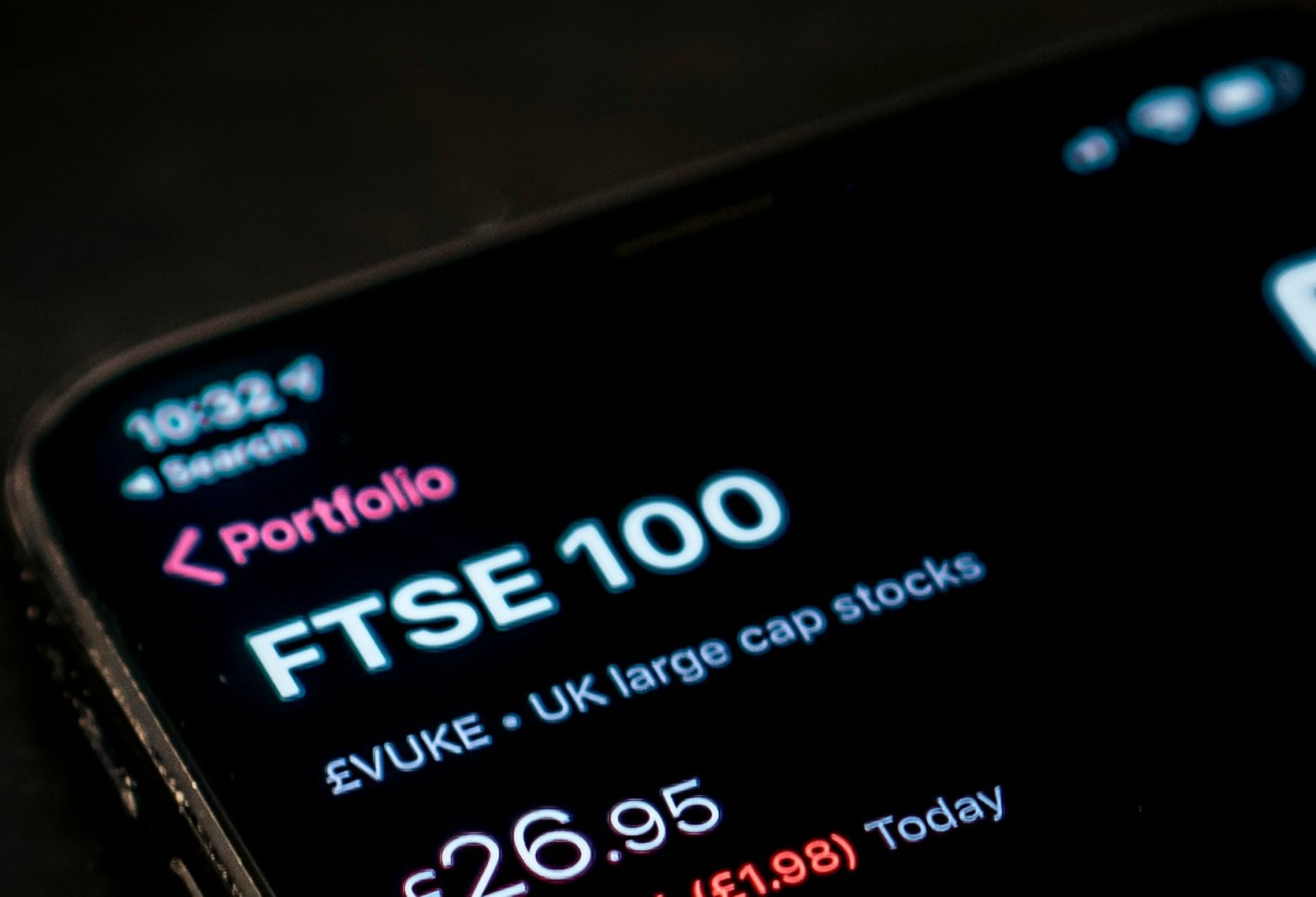
Pexels.com


GDP falls 0.1% for second month in a row as businesses and consumers hold back
October Sees Another Economic Contraction
The UK economy contracted by 0.1% in October, according to data released by the Office for National Statistics (ONS), marking the second consecutive monthly decline and falling short of market expectations of 0.1% growth
This contraction comes amid heightened uncertainty surrounding the Autumn Budget and cautious consumer and business sentiment.
Key Points at a Glance
Why Did GDP Decline?
October’s economic dip has been largely attributed to reduced activity across services and construction, combined with subdued consumer spending.
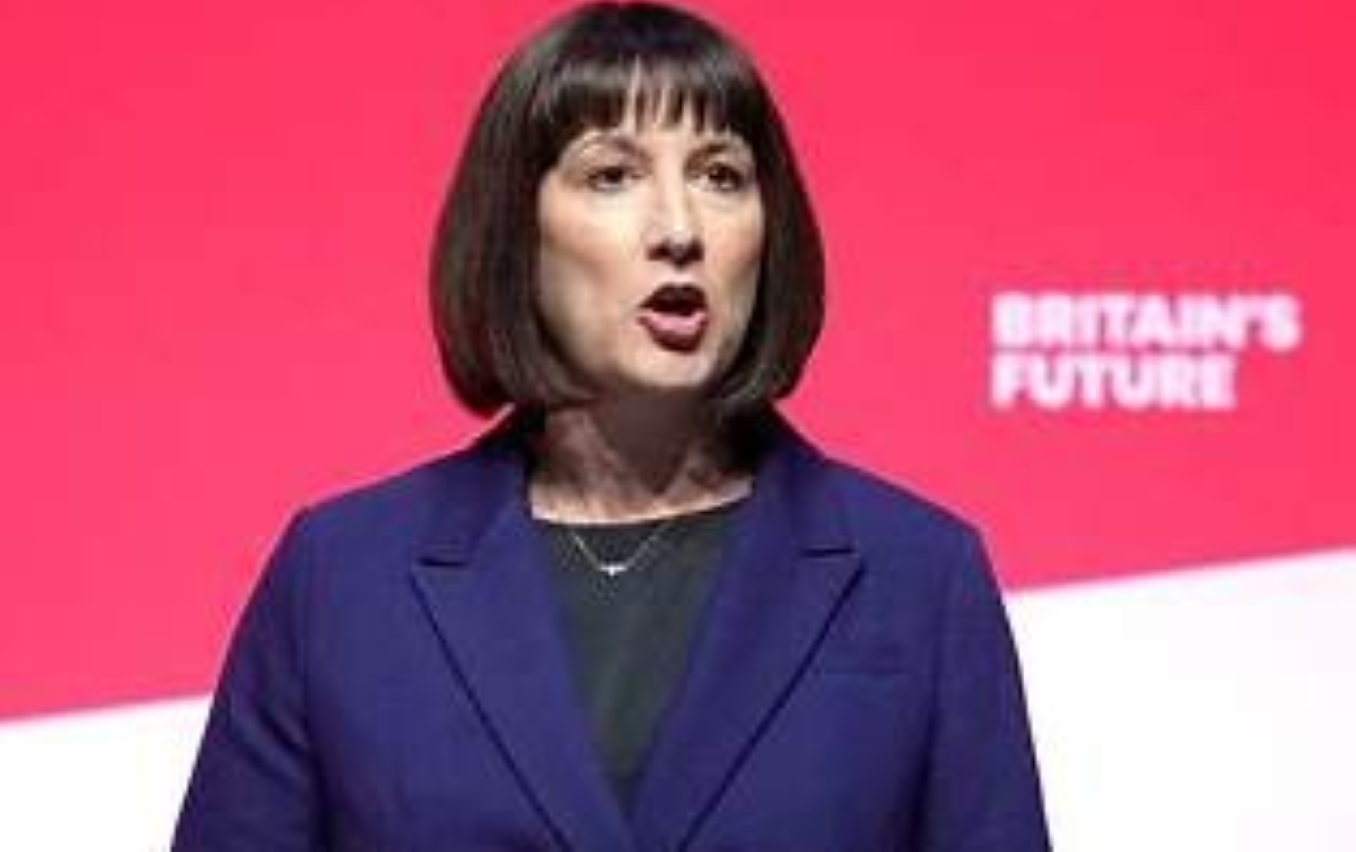
A key factor behind the hesitation was uncertainty around the government’s fiscal direction. While Chancellor Rachel Reeves eventually raised some taxes to fund welfare and reduce the deficit, speculation in October may have held back economic momentum.
A Mixed Manufacturing Picture
One brighter spot was the manufacturing sector, which rebounded with 0.5% growth. This came after a 1.7% fall in September and was supported by Jaguar Land Rover resuming production at its factories following a major cyber attack
However, services—the UK's largest economic sector—continued to stagnate, weighing on overall performance.
Consumer Confidence and Inflation Outlook
The decline in activity comes as inflation showed signs of easing. Consumer price inflation dropped to 3.6% in October, down from 3.8% in September. This aligns with the Bank of England’s projections and raises hopes for potential interest rate cuts in the coming months
The BoE held interest rates at 4.0% in November, although nearly half the Monetary Policy Committee members favoured a cut. Analysts now widely expect a rate cut to 3.75% at the BoE’s final meeting of the year.
Business Outlook and Forecasts
Despite recent contraction, the Confederation of British Industry (CBI) has raised its forecast for UK growth. It now expects GDP to grow by 1.4% in 2025 and 1.3% in 2026, up from earlier predictions
CBI Chief Economist Louise Hellem commented:
“While it’s welcome to see our growth forecast upgraded for next year, the mood music reads more ‘cautious optimism’ than ‘cause for celebration’.”
What This Means for Investors
Investor sentiment remains mixed. While interest rate cuts could support consumer spending and investment, persistent weakness in key sectors like services and construction is a concern.
Markets have reacted cautiously:
A potential shift in BoE policy, alongside improved budget clarity, may offer more stability in early 2026.
Final Thoughts
The UK's economic performance in October underlines the fragile state of the recovery, with political and fiscal uncertainty playing a key role in dampening momentum. While inflation is easing and rate cuts are likely, sustained growth will depend on stronger performance across services and construction in the coming months.
Sources: (Investing.com, Reuters.com)

Tradable assets:
Min.Deposit:
Max Leverage:
FCA:

Rating: