News
Tesla Q3 Update and Its Impact on the Stock
04 Oct 2026, 10:00


Join Minipip Academy and access free courses in investing, trading, economics, and more.
Sign Up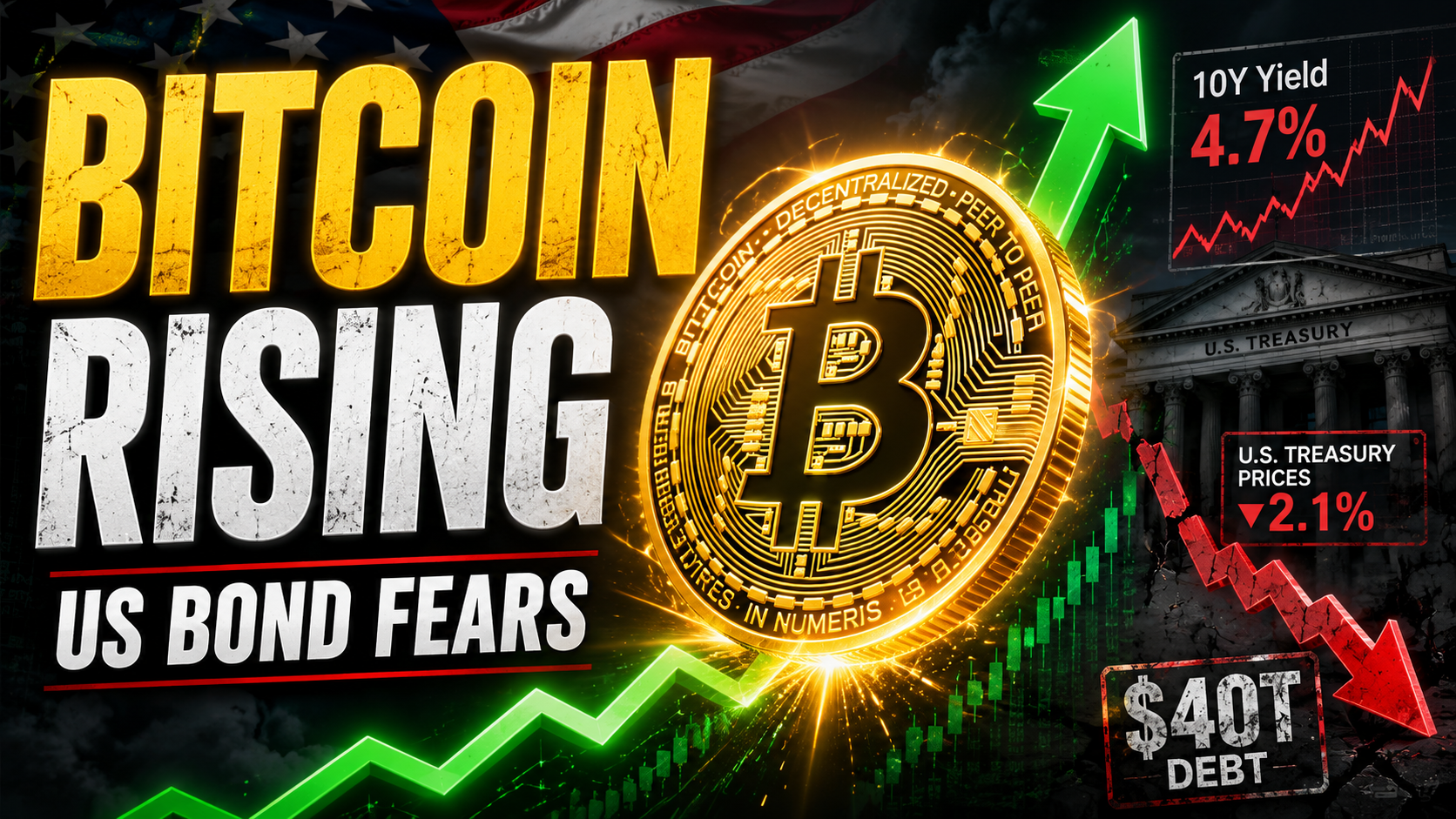
Why Bitcoin Is Rising as Investors Worry About the US Bond Market


Problems in the US Treasury market are pushing some investors towards alternatives such as Bitcoin as concerns grow over debt, inflation and the value of the dollar.
Bitcoin has climbed back above $70,000, with growing concerns about the US government bond market helping to increase interest in alternative assets.
US Treasury bonds are normally considered one of the safest investments in the world. However, bond prices have recently come under pressure, causing their yields — or interest rates — to rise.
The 10-year US Treasury yield has climbed to around 4.7%, while longer-term borrowing costs have moved above 5%. When investors sell bonds, their prices fall and yields rise.
One major concern is America’s growing national debt, which has now exceeded $40 trillion. Investors are also worried that higher oil prices and inflation could reduce the future purchasing power of the dollars they receive from government bonds.
This is where Bitcoin comes in.
Bitcoin has a fixed maximum supply of 21 million coins, meaning governments cannot simply create more of it. Some investors therefore view Bitcoin as protection against long-term currency depreciation and excessive government borrowing.
The US Treasury has recently increased its bond-buyback programme in an attempt to improve conditions and reduce pressure on long-term yields. Bitcoin rose sharply following the announcement.
However, there is an important distinction. Higher interest rates themselves are not necessarily good for Bitcoin. High yields can make bonds more attractive compared with risky assets.
Instead, Bitcoin’s current strength appears partly driven by the reason yields are rising: concerns about US debt, inflation and confidence in the Treasury market.

Tradable assets:
Min.Deposit:
Max Leverage:
FCA:

Rating:
 Earnings Calendar
  Economic Calendar
  VAT Calculator
  Tax Free Childcare Calculator
 Percentage Calculator
 Compound Interest Calculator
  Loan Overpayment Calculator
 Mortgage Calculator
 Credit Card Calculator
 Investing
  Economics
 Trading
  Technical Analysis
  Personal Finance
 Calculator