News
Tesla Q3 Update and Its Impact on the Stock
04 Oct 2026, 10:00


Join Minipip Academy and access free courses in investing, trading, economics, and more.
Sign Up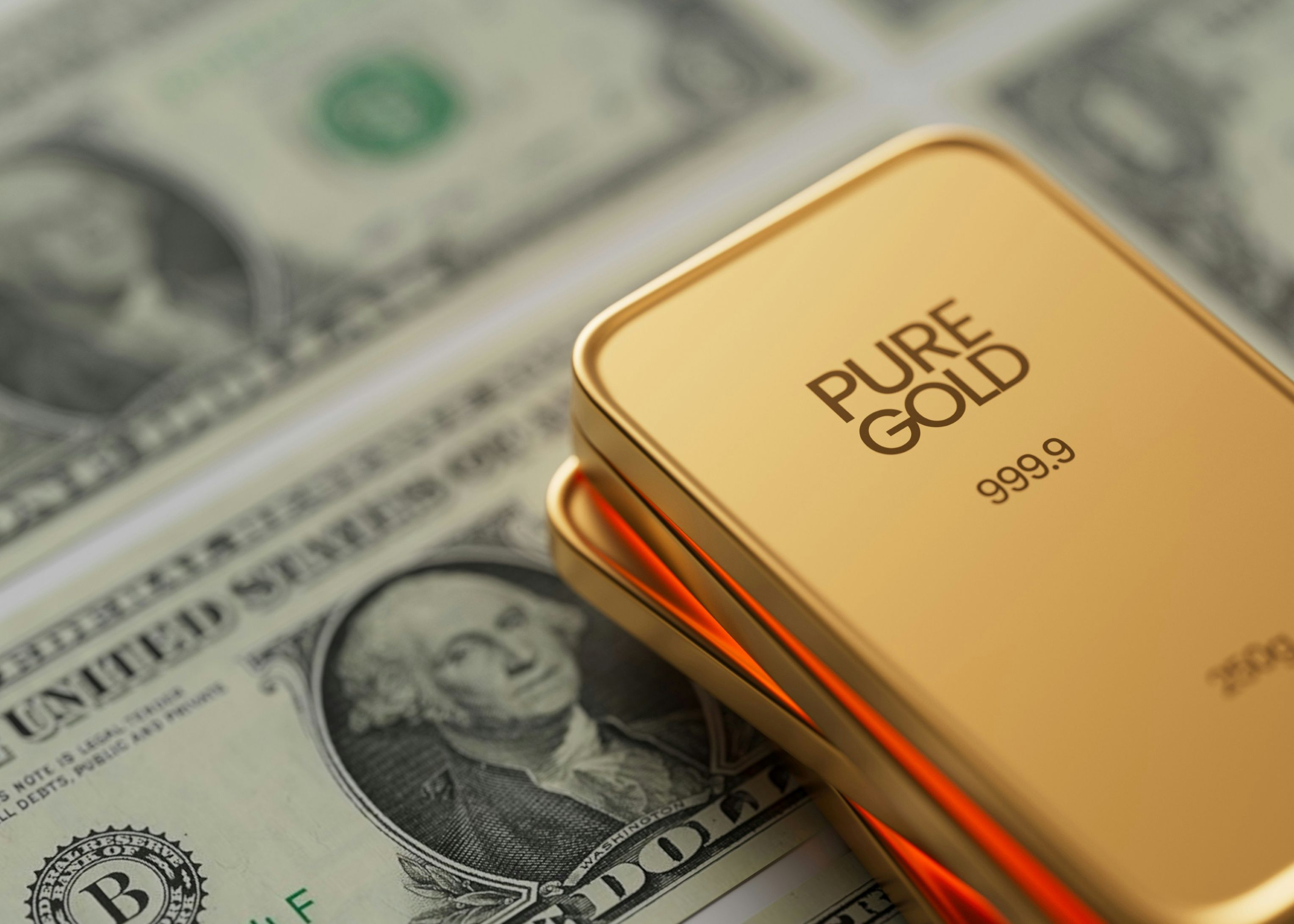
Pexels.com


Gold prices slipped below $4,400 an ounce on Tuesday as rising US Treasury yields and higher oil prices reduced demand for the precious metal.
XAU/USD fell around 0.5% to $4,395.78 an ounce, while gold futures declined by a similar amount to $4,451.07. Silver and platinum also moved lower, while the US Dollar Index edged higher.
The main pressure on gold came from rising US government bond yields. When Treasury yields increase, investors can earn more income from bonds, making non-yielding assets such as gold relatively less attractive.
Oil Prices Add to Inflation Concerns
Higher oil prices are also influencing the gold market.
Energy prices rose following renewed tensions between Iran and the United States. Iran warned that it could adopt a more aggressive military position if diplomatic efforts fail, while Washington ruled out extending the temporary ceasefire.
Higher oil prices can increase inflation by raising transport, manufacturing and energy costs. This could encourage the Federal Reserve to keep interest rates higher for longer.
Although gold is traditionally viewed as a hedge against inflation, high interest rates can work against the metal because investors receive no interest from holding bullion.
However, expectations for another immediate Federal Reserve rate rise have weakened following softer US economic data.
Markets are currently pricing in roughly a 65% probability that the Fed will leave interest rates unchanged in September following weaker employment figures, softer inflation and disappointing retail sales.
Gold Price Levels to Watch
Investors are now waiting for the minutes from the Federal Reserve’s latest policy meeting, which could provide further guidance on inflation and future interest rates.
Gold has recently recovered above the important $4,000 level, helped by renewed investor demand and central-bank buying.
From a technical perspective, gold remains above its late-June low of around $3,942. However, resistance sits around $4,440 to $4,450, with the 200-day moving average near $4,503 providing another potential hurdle.
A sustained move above these levels could strengthen the case for a recovery towards $5,000.
Longer-term demand also remains strong. Global central banks purchased 244 tonnes of gold during the first quarter of 2026, while China continued increasing its reserves.
ANZ currently forecasts that gold could reach $5,200 an ounce by the end of the year.
Conclusion
Gold is facing short-term pressure from rising bond yields, oil prices and uncertainty over US interest rates. However, continued central-bank buying and geopolitical tensions could provide longer-term support.
For investors and traders, the Federal Reserve’s next signals on interest rates and gold’s ability to break above the $4,450 to $4,503 resistance area are likely to be key factors determining its next major move.
Sources: (Investing.com, Reuters.com)

Tradable assets:
Min.Deposit:
Max Leverage:
FCA:

Rating:
 Earnings Calendar
  Economic Calendar
  VAT Calculator
  Tax Free Childcare Calculator
 Percentage Calculator
 Compound Interest Calculator
  Loan Overpayment Calculator
 Mortgage Calculator
 Credit Card Calculator
 Investing
  Economics
 Trading
  Technical Analysis
  Personal Finance
 Calculator