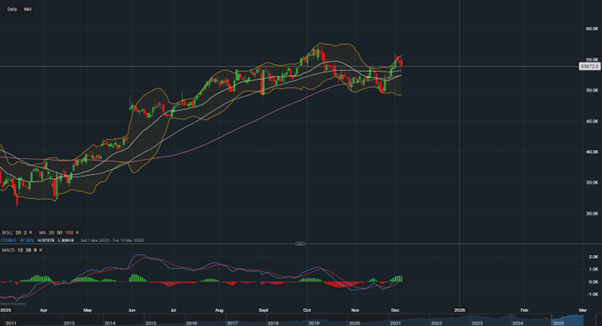
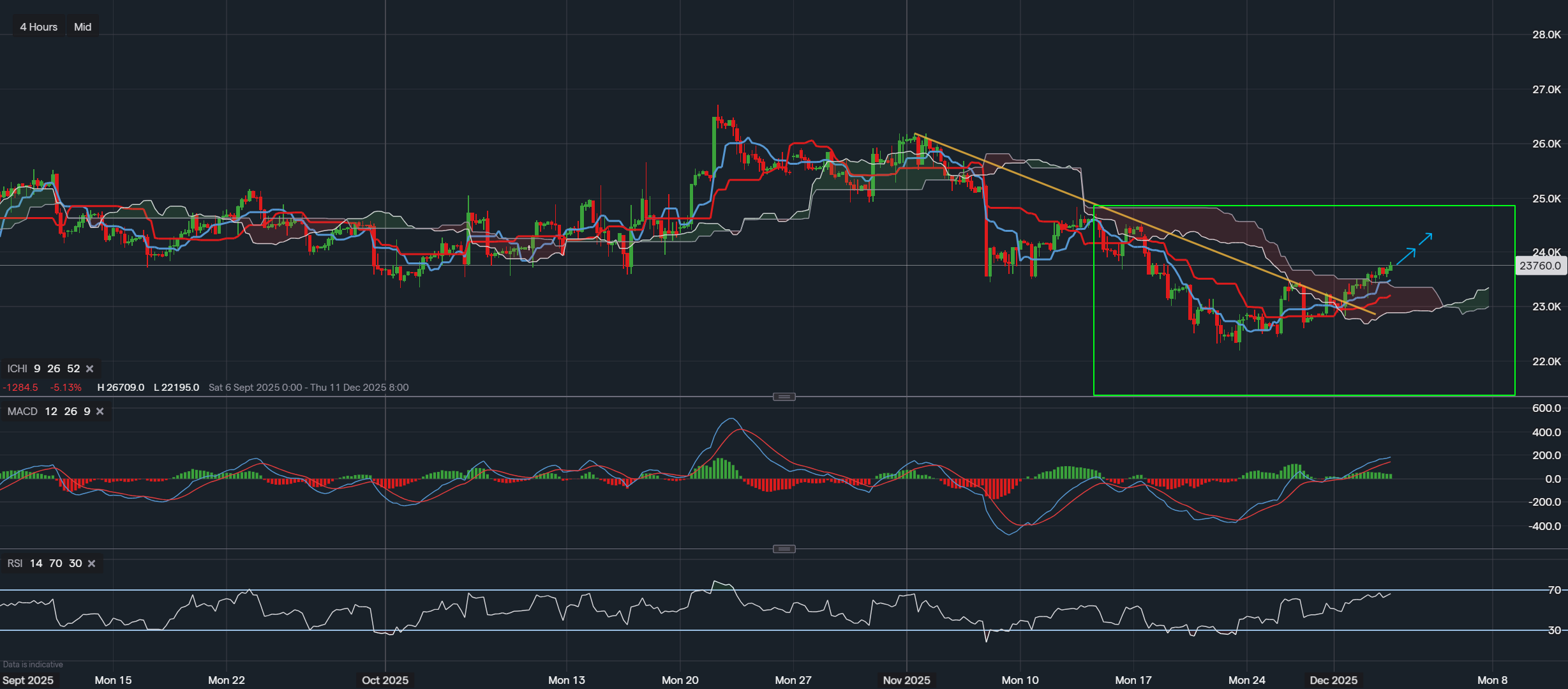
Ulta Beauty Earnings Preview: Could the Share Price Face a Short-Term Pullback?
$538.48
04 Dec 2025, 17:50
Bullish


Pexels.com


UK creatives sound the alarm as proposed US import taxes threaten thousands of jobs and the global entertainment ecosystem
The UK’s booming film industry is facing a fresh crisis—this time, not from pandemics or strikes, but from across the Atlantic. Former US President Donald Trump has proposed a 100% tariff on all foreign-made films entering the United States, sparking widespread alarm in the UK’s entertainment sector.
In a post on his social media platform Truth Social, Trump announced plans to impose what he calls a “national security” tariff, stating: “I’ve authorised a 100% tariff on any and all movies coming into our country that are produced in foreign lands.” His justification? Reviving what he calls a “dying” Hollywood.
However, industry professionals in Britain fear the move could devastate the UK film sector, which is only just bouncing back after the crippling effects of the COVID-19 pandemic and a recent production slowdown.
“A Knock-Out Blow”: Industry Sounds the Alarm
Philippa Childs, head of the Broadcasting, Entertainment, Communications and Theatre Union (BECTU), didn’t mince words in her response. “These tariffs, coming after COVID and the recent slowdown, could deal a knock-out blow to an industry that is only just recovering. This will be really worrying news for tens of thousands of skilled freelancers who make films in the UK.”
Childs urged the UK government to step in swiftly, arguing that defending the sector is vital for the nation’s economic interest. “The UK is a world leader in film and TV production, employing thousands of talented workers. This is a key growth sector in the government’s industrial strategy.”
The Global Impact: Beyond Blockbusters
It's still unclear how these proposed tariffs would apply to international co-productions or films made across multiple countries, such as the upcoming Mission: Impossible – The Final Reckoning. Major UK studios like Warner Bros. Leavesden (home to Barbie and Wonka) and Pinewood (renowned for James Bond) could also be affected if their films are caught up in the new duties.
Streaming platforms, too, may not be spared. With no clear guidance on whether films released digitally will be subject to the tariff, major players like Netflix, Disney+, and Amazon Prime are facing uncertainty. Early trading already reflects the anxiety: Netflix shares dropped by 2.5%, while theatre chains like IMAX and Cinemark saw declines of nearly 6%.
A Misdiagnosis of the Problem?
Not everyone agrees with Trump’s diagnosis. Kirsty Bell, CEO of British production company Goldfinch, acknowledged challenges in the entertainment sector—but not for the reasons Trump believes.
“Films are cheaper to make overseas, yes—but that’s because of tax credits, union costs, and other localised factors. The real issue is the shift in viewing habits. People aren’t going to the cinema like they used to. Social media and digital platforms have changed everything.”
Bell argues that what Hollywood needs isn’t protectionism but innovation: “The answer is not tariffs. It’s about building a new, dynamic ecosystem for modern film-making.”
UK Government’s Response and Broader Context
The UK government has remained tight-lipped, saying only that discussions with the US are ongoing and that it won’t comment on live trade negotiations. However, with the Independent Film Tax Credit introduced in 2024—offering 53% tax relief on productions up to £15 million—the UK has taken steps to support home-grown projects.
Trump’s latest announcement follows a broader protectionist strategy, including a sweeping 10% base tariff on all imports and a jaw-dropping 145% on Chinese goods.
Conclusion: A Call to Protect the UK's Creative Powerhouse
The UK film industry stands at a crossroads. With its global reputation, world-class talent, and state-of-the-art studios, it has much to lose if access to the US market is restricted. Trump’s proposed tariffs may be aimed at reviving Hollywood, but their fallout could severely undermine Britain’s creative economy.
As talks continue, the UK government must take a strong stand to protect this critical sector—and ensure that the lights stay on in one of the world’s most vibrant film industries.
Sources: (SKY.com, BBC.co.uk)

Tradable assets:
Min.Deposit:
Max Leverage:
FCA:

Rating: