Ulta Beauty Earnings Preview: Could the Share Price Face a Short-Term Pullback?
$538.48
04 Dec 2025, 17:50
Bullish


Pexels.com


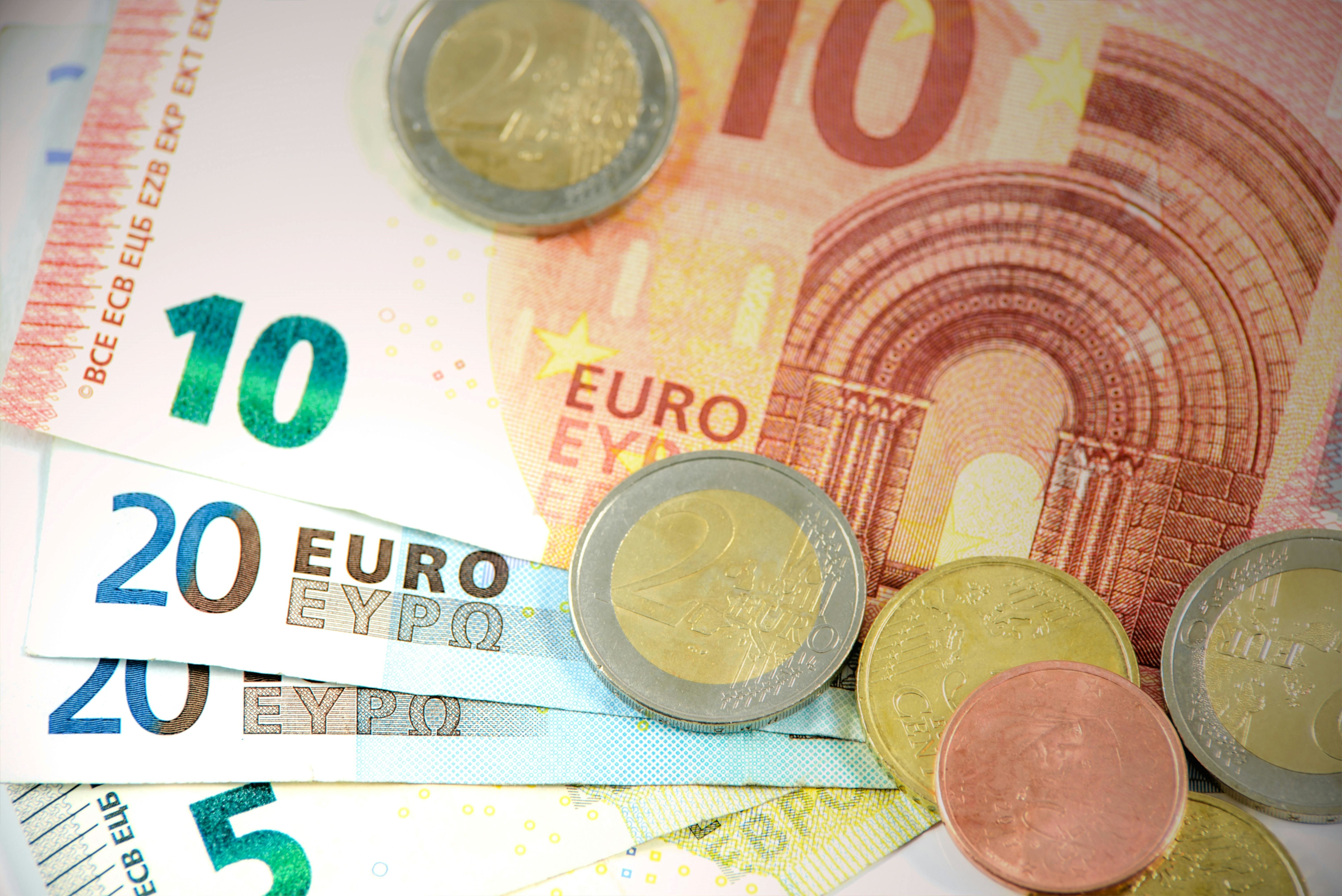
Brussels Retaliates with €26 Billion in Trade Penalties
The European Union (EU) has hit back against Donald Trump’s new 25% tariffs on steel and aluminium, escalating a trade war that has rattled global markets. In response, the EU has announced countermeasures targeting up to €26 billion worth of US goods, set to take effect in April unless a deal is reached with Washington.
European Commission President Ursula von der Leyen condemned the tariffs, calling them “bad for business and worse for consumers.” She warned that the move disrupts supply chains, increases prices, and threatens jobs.
What’s in the EU’s Retaliation Package?
The EU’s response includes:
A senior EU official highlighted soybeans as a key target, pointing out that they are produced in Louisiana, the home state of House Speaker Mike Johnson. “We’re happy to buy our soybeans from Brazil or Argentina instead,” the official added, signalling a strategic move to pressure the US administration.
Trump’s Expanding Trade War
Trump’s tariffs are part of an aggressive push to protect US manufacturing, penalizing countries he claims are undercutting American producers. Last month, he announced sweeping steel and aluminium tariffs on global imports, undoing agreements made during Joe Biden’s presidency.
In addition to raw metals, the new tariffs extend to a wide range of consumer products, including:
This escalation has sparked criticism from US allies.
What’s Next in the Trade Battle?
The impact of Trump’s tariffs is already being felt on Wall Street, where uncertainty has shaken investor confidence. While European markets remained stable, US businesses reliant on imported metals now face higher costs.
Trade experts warn that Trump’s latest move is a major shift from 2018, when some exemptions were allowed for products not easily sourced in the US. With fewer exclusions this time, many American companies will be forced to pay the full tariffs.
Meanwhile, Canada has also been caught in the crossfire. Trump briefly doubled tariffs on Canadian steel and aluminium to 50%, before backtracking later the same day. In response, Ontario announced a 25% surcharge on power exports to the US, only to suspend it shortly after in an effort to de-escalate tensions.
Conclusion: What’s the Long-Term Impact?
As the EU and the US edge closer to a full-scale trade war, businesses on both sides of the Atlantic face rising costs and market uncertainty. While Brussels hopes negotiations can avert further escalation, Trump's hardline stance suggests the dispute could drag on for months or even years.
With global trade relationships at stake, the biggest question remains: Will these tariffs protect US jobs, or will they ultimately backfire, triggering economic slowdowns on both sides of the Atlantic?
Sources: (BBC.co.uk, FT.com)

Tradable assets:
Min.Deposit:
Max Leverage:
FCA:

Rating: