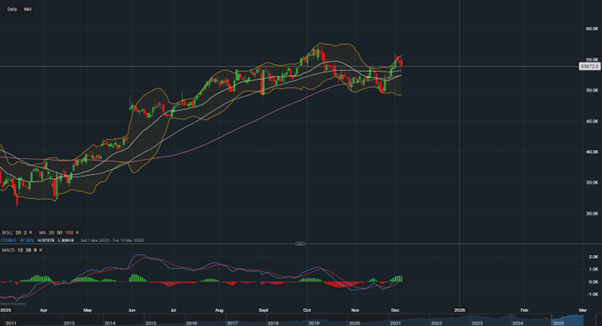
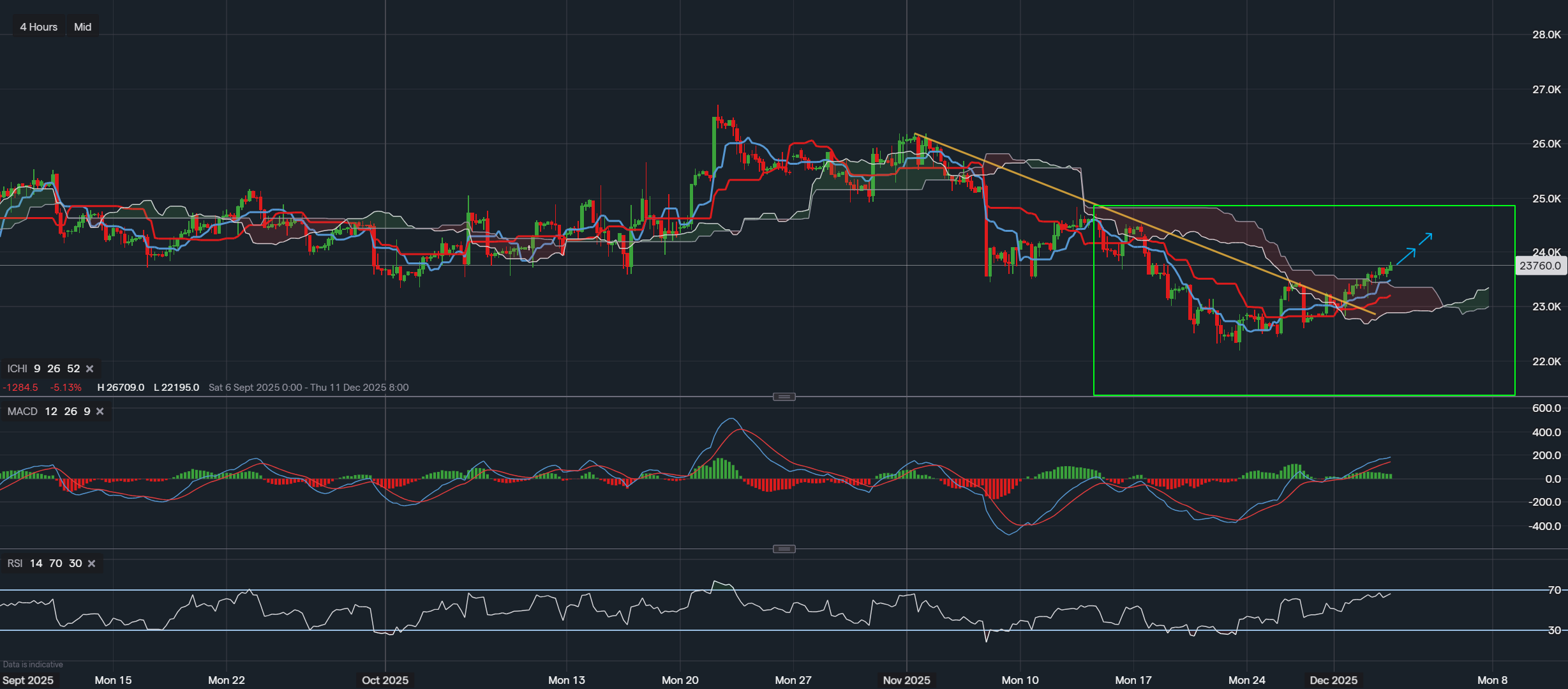
Ulta Beauty Earnings Preview: Could the Share Price Face a Short-Term Pullback?
$538.48
04 Dec 2025, 17:50
Bullish

Pexels.com


Corporate Giants Secure Green Power Deals to Boost Sustainability and Reduce Costs
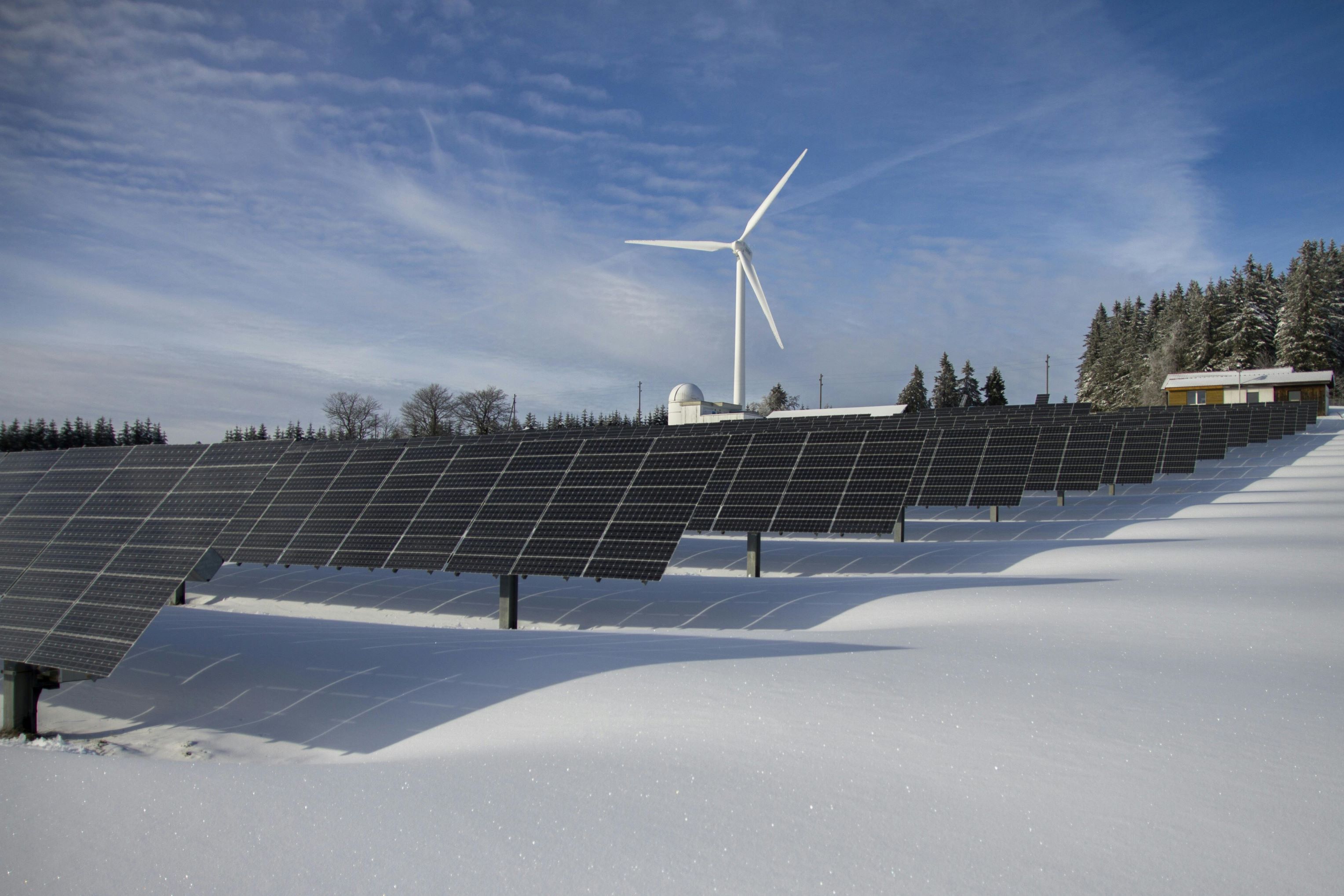
Large corporations are increasingly turning to long-term Power Purchase Agreements (PPAs) to secure renewable energy, driving growth in the wind and solar industry. As governments reduce subsidies, big businesses are stepping in to fill the gap, ensuring new renewable projects remain financially viable.
Surging Demand for PPAs Fuels Renewable Energy Growth
According to BloombergNEF, the amount of renewable electricity sold to companies under PPAs jumped 35% last year. The biggest driver of this increase came from:
Amazon was the largest corporate buyer of renewable energy, securing multiple PPAs to support its operations. Other major firms, including Unilever and Arla, have also signed deals, helping to bring new wind and solar farms online.
Why Are PPAs Essential for Renewable Energy Projects?
Renewable energy developers say PPAs are becoming critical for financing new projects. Markus Krebber, CEO of RWE, one of the world’s largest renewable energy firms, stated:
“Without long-term commitments, financing costs get out of control.”
This concern was highlighted when Denmark suspended offshore wind auctions in January due to a lack of bids for subsidy-free projects. Developers hesitate to invest when market conditions are uncertain, making corporate PPAs essential for ensuring new projects move forward.
Challenges Facing the Renewable Energy Industry
Despite growing demand, the pace of renewable energy expansion has slowed due to:
The amount of new wind capacity added in Europe has declined for two consecutive years, and solar farm expansion in the EU dropped 92% last year, according to industry reports.
However, corporate PPAs are seen as a solution to stabilise the market, providing predictable revenue streams for developers and enabling businesses to lock in long-term energy cost savings.
Companies Leading the PPA Movement
Many large firms are stepping up to directly fund renewable energy projects, ensuring new capacity gets built:
BloombergNEF analyst Nayel Brihi predicts that the PPA trend will continue to grow, especially as governments reduce renewable energy subsidies and corporations commit to 100% clean energy targets under initiatives like RE100.
Conclusion: How Will More PPAs Impact Share Prices?
As more large corporations sign PPAs to secure renewable energy, companies involved in wind and solar development could see significant share price growth. If major firms continue to replace fossil fuel-based energy contracts with long-term renewable deals, stocks of leading renewable energy developers, suppliers, and infrastructure firms could become highly attractive to investors.
However, the speed of adoption will depend on interest rates, energy policy changes, and the ability of wind and solar developers to meet demand. If more tech giants, manufacturers, and global retailers commit to PPAs, expect renewable energy stocks to rise, creating new investment opportunities in the sector.
For now, PPAs are reshaping the energy market, ensuring that corporate sustainability goals translate into real-world clean energy growth.
Source: (FT.com)

Tradable assets:
Min.Deposit:
Max Leverage:
FCA:

Rating: